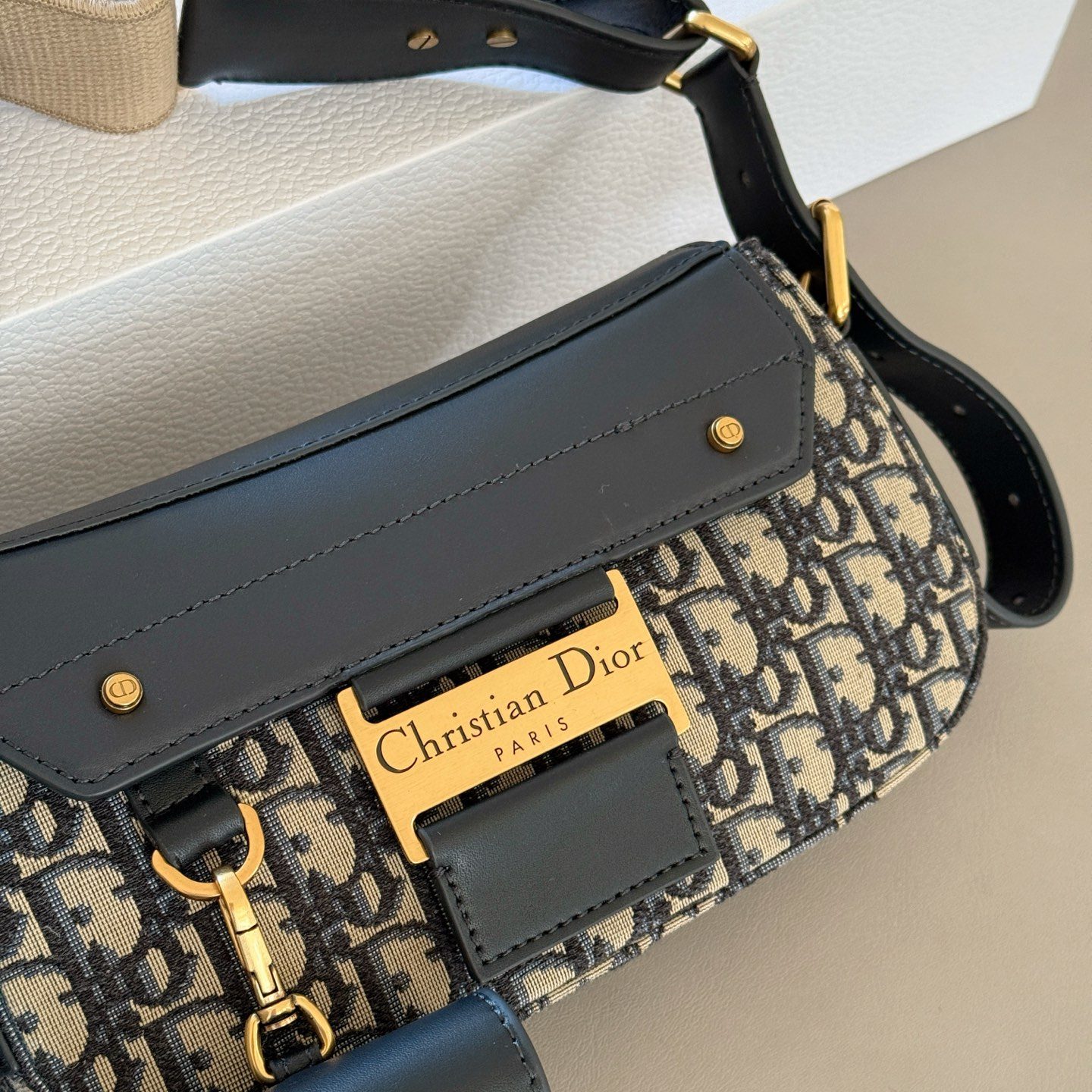
Content Menu
● Replica Bag Quality: Materials vs. Hardware vs. Construction
● How Replica Bags Differ in Materials
>> Full-Grain, Corrected-Grain and Split Leather
>> Leather Finish Changes the Ownership Experience
>> Coated Materials and Synthetic Alternatives
>> Linings and Hidden Reinforcement
● How Replica Bags Differ in Hardware
>> Base Metal vs. Decorative Finish
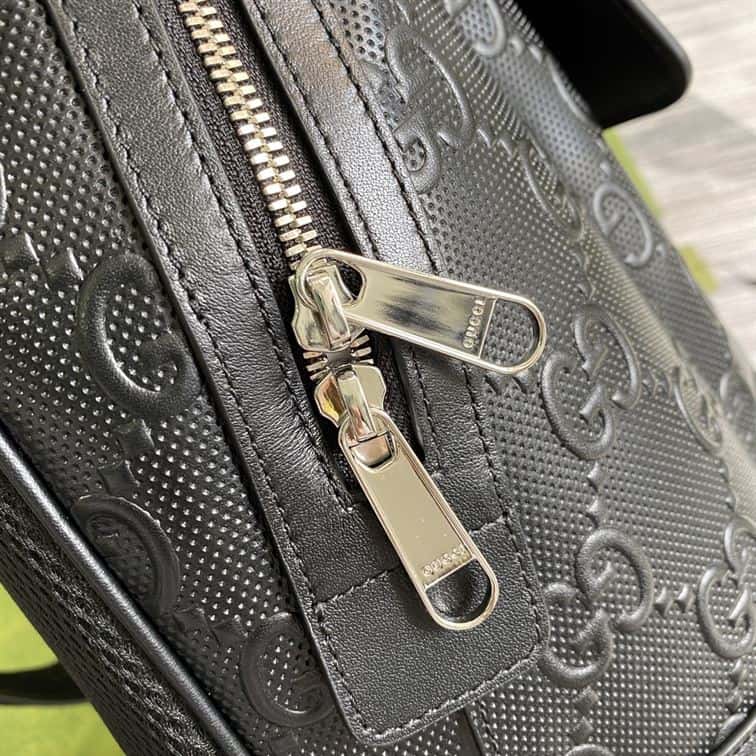
>> Zippers: Evaluate the Installed Assembly
>> Clasps, Chains and Strap Rings
>> Finish Durability and Corrosion
● How Replica Bags Differ in Construction
>> Stitching Quality Is More Than Stitch Count
>> Handle Bases and Strap Anchors
● A Practical Replica Bag Inspection Checklist
>> Step 1: Establish the Specification
>> Step 2: Request Comparable Images
>> Step 3: Observe Moving Components
>> Step 4: Examine High-Stress Areas
>> Step 5: Confirm After-Sales Terms
● An Industry Insight: Test Assemblies, Not Just Components
● What “1:1 Replica” Can—and Cannot—Tell You
● Make Your Comparison More Specific
>> What is the biggest difference between lower-cost and higher-priced replica bags?
>> Is full-grain leather always the best handbag material?
>> Does heavier hardware mean better quality?
>> Can photographs prove replica bag durability?
>> How can I compare stitching without technical equipment?
>> What should I ask before purchasing?
Replica bags differ most in materials, hardware and construction—not simply in how closely they resemble a photograph. Leather selection affects texture and aging. Hardware influences closure performance and carrying comfort. Construction determines whether those components work together as a dependable bag.
At Luxurry Edit, our approach to evaluating a high-end replica handbag begins with the product itself: what it is made from, how it functions, and how consistently it is assembled. Visual similarity deserves attention, but it cannot establish material identity or long-term durability.
This guide compares the features buyers can inspect, the details suppliers should disclose, and the evidence needed to distinguish attractive presentation from reliable craftsmanship.
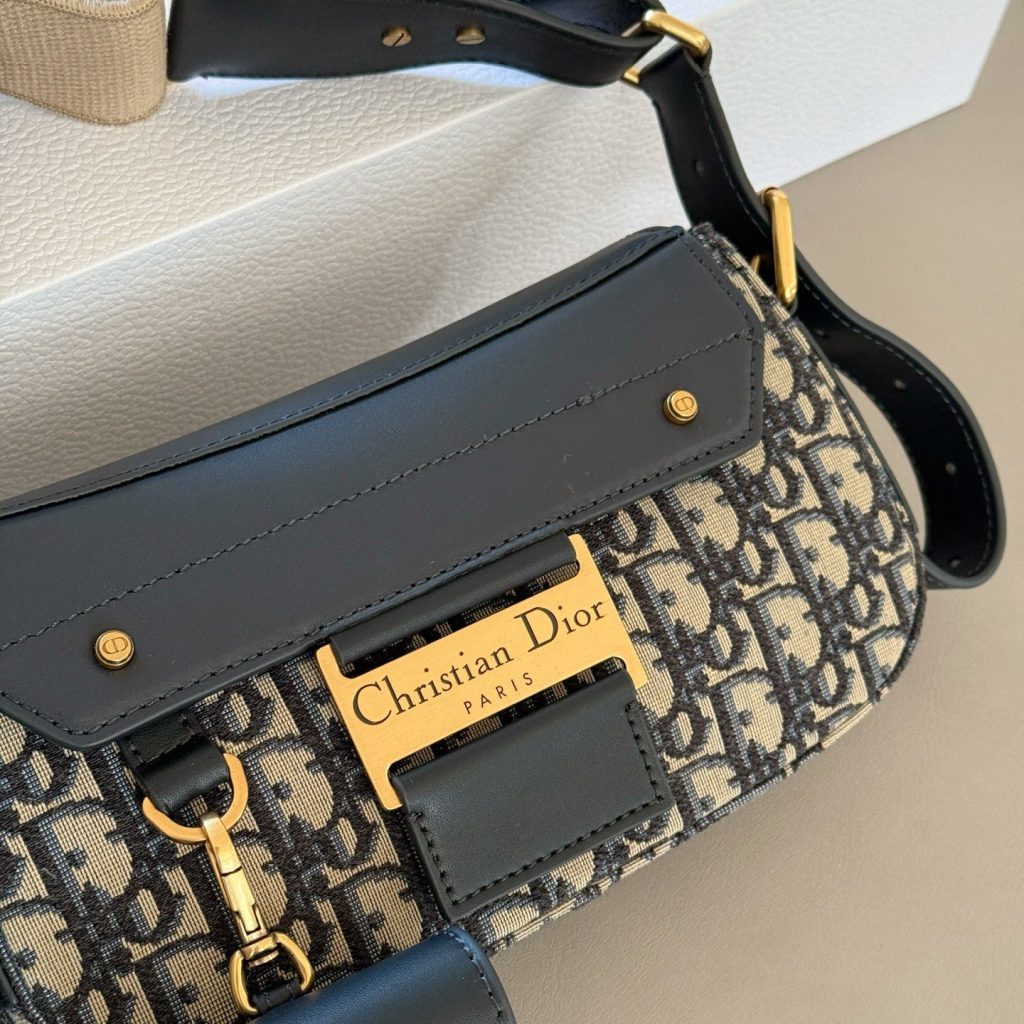
Replica Bag Quality: Materials vs. Hardware vs. Construction
These three categories answer different questions. Materials tell you what the bag contains. Hardware tells you how its moving and load-bearing components perform. Construction shows how successfully everything has been joined.
| Category | What to compare | Why it matters |
|---|---|---|
| Materials | Leather layer, finish, lining and reinforcement | Influences feel, flexibility and surface aging |
| Hardware | Base metal, finish, movement and attachment | Affects usability and resistance to wear |
| Construction | Stitching, panel alignment, edges and strap anchors | Determines assembly consistency and structural performance |
| Documentation | Specifications, actual-item images and test evidence | Helps verify claims that appearance cannot establish |
My preferred assessment order is function first, followed by material suitability and visual accuracy. A convincing exterior is valuable, but a strap attachment or closure that performs poorly can undermine the entire ownership experience.
How Replica Bags Differ in Materials
Full-Grain, Corrected-Grain and Split Leather
“Real leather” is an incomplete description. Buyers need to know which layer of the hide is used and how its surface has been treated.
Full-grain leather retains its grain surface without corrective mechanical removal. Natural variations may remain visible, depending on the finish.
Corrected-grain leather has undergone surface correction. It may then receive pigmentation or embossing to create a more consistent appearance.
Split leather comes from a layer separated below the grain. A coating can make its surface resemble grain leather, but appearance does not reveal the underlying structure.
These terms are not a complete performance ranking. Thickness, tanning, finishing and suitability for the design also matter. A softly structured shoulder bag and a rigid top-handle bag have different material requirements.
For replica leather bags, request the leather type for each major component. The exterior, handles, trim and lining may not use the same material.
Leather Finish Changes the Ownership Experience
The finish influences how leather looks and responds to use.
A more natural finish can reveal grain character and develop visible changes over time. A more heavily pigmented finish generally prioritizes color uniformity and surface coverage.
Neither approach is automatically the best choice.
Consider your expectations:
- Do you prefer natural variation or a consistent surface?
- Will the bag frequently touch light-colored clothing?
- Is softness more important than shape retention?
- Do you want visible aging or a relatively uniform appearance?
Avoid treating smell, shine or softness as proof of leather quality. Each can be influenced by finishing and processing. A written material specification offers more useful evidence than a sensory impression alone.
Coated Materials and Synthetic Alternatives
Coated leather, coated textiles and synthetic materials can look similar in online photographs. However, they are different constructions.
A useful product description should identify:
- The underlying material.
- The surface coating, where applicable.
- The components using that material.
- The recommended care procedure.
“Premium material” does not answer these questions.
For coated surfaces, examine folds and corners closely. Uneven flexing, visible separation or existing cracking deserves clarification. These observations identify concerns; they do not predict an exact service life.
Linings and Hidden Reinforcement
Replica handbag materials extend beyond the exterior.
Open the bag and inspect the lining around pockets, corners and the zipper opening. Check whether it sits comfortably inside the shell or pulls against attachment points.
Ask whether the base, flap and handle areas contain reinforcement. Reinforcement should support the intended silhouette without creating uncomfortable ridges or awkward movement.
A structured bag should not be judged by softness alone. Conversely, a deliberately relaxed design should not be penalized simply because it does not stand upright.

How Replica Bags Differ in Hardware
Base Metal vs. Decorative Finish
Gold-tone or silver-tone describes appearance, not metal composition.
Hardware may use different metals or alloys beneath a decorative finish. Weight alone cannot establish composition, coating quality or durability.
Compare the observable details instead:
- Consistent color across chains, clasps and rings.
- Smooth surfaces without sharp edges.
- Cleanly formed joints.
- Comfortable movement.
- Secure attachment to the bag.
Ask the supplier to identify the base material and finish where that information is available. If it is unknown, the description should acknowledge that limitation rather than substitute a luxury-sounding claim.
Zippers: Evaluate the Installed Assembly
A zipper is a system comprising its elements, tape, slider, stops and installation.
Even a recognizable component does not guarantee smooth operation when installed incorrectly.
Open and close the zipper with the bag supported naturally. Look for catching lining, distorted tape or resistance at curved sections. Do not force a resistant slider.
Supplier videos should show the full zipper path, not just a brief movement near the opening.
Also distinguish between a named zipper manufacturer and a generic claim such as “luxury-grade zipper.” A manufacturer claim needs supporting identification; descriptive wording alone is not verification.
Clasps, Chains and Strap Rings
Hardware inspection should include movement and attachment.
Check whether a clasp closes predictably without excessive pressure. Examine chain links for rough edges and whether articulated parts move without binding.
Strap rings deserve particular attention because they connect carrying loads to the bag body. A polished ring can still have an inadequate attachment beneath it.
Professional testing of load-bearing fittings evaluates the assembly, including where and how failure occurs. This is more informative than judging a ring by thickness or shine.
Finish Durability and Corrosion
An even hardware finish is a useful visual check, but it is not proof of corrosion resistance.
Exposure conditions and finish quality can influence performance. Metal corrosion can also create staining concerns where fittings contact fabric or clothing.
For durability claims, ask what was tested, under which method, and with what result. A vague statement that hardware “never tarnishes” should not replace documented evidence.
How Replica Bags Differ in Construction
Stitching Quality Is More Than Stitch Count
Well-executed stitching should suit the leather, thread, needle and seam function.
Inspect for:
- Consistent spacing.
- Balanced thread tension.
- Skipped or loose stitches.
- Unintended holes beside the seam.
- Secure seam endings.
- Alignment where panels meet.
There is no single ideal stitch count for every handbag. Thread and needle selection must relate to material weight and the intended application.
More stitches do not automatically establish stronger construction. Equally, neat decorative stitching cannot prove that a hidden structural seam is adequate.
Panel Alignment and Shape
Construction accuracy becomes clearer when the bag is viewed from several angles.
Compare the front, back, sides and base. Check whether the flap sits centrally, the opening is balanced, and corresponding panels meet cleanly.
Some differences may reflect intentional asymmetry or a relaxed design. Others may indicate inconsistent cutting or assembly.
Request photographs of the actual item or clearly identified production sample. A reference image cannot demonstrate the alignment of the bag being supplied.
Edge Finishing
Edges reveal how carefully a bag has been prepared and finished.
Some designs use painted edges; others use folded or bound construction. Evaluate the technique against the design rather than assuming one method is universally superior.
On painted edges, inspect for gaps, rough transitions, excessive buildup and existing separation. Pay particular attention to flexible areas such as straps and flap corners.
A smooth photograph is only an initial indicator. Repeated flexing performance requires more evidence than a close-up image can provide.
Handle Bases and Strap Anchors
Handle bases combine materials, stitching, reinforcement and hardware.
Inspect these areas from both sides where access allows. Look for uneven pulling, lifting attachment tabs or distortion around the seam.
Do not conduct aggressive home load tests. They can damage the item and still provide little reliable information.
If a supplier makes a carrying-capacity claim, request the rated load and supporting test conditions. Otherwise, treat capacity as unspecified rather than estimating it from appearance.
A Practical Replica Bag Inspection Checklist
Use this sequence to make comparisons more consistent.
Step 1: Establish the Specification
Request exterior material, lining, dimensions, hardware details and available care instructions.
Separate confirmed information from descriptive marketing language.
Step 2: Request Comparable Images
Ask for front, back, side, base and interior views under consistent lighting.
Include close-ups of corners, stitching, zipper ends and strap attachments.
Step 3: Observe Moving Components
Request an uninterrupted video demonstrating the zipper, clasp and removable strap connections.
Watch the surrounding material as well as the mechanism.
Step 4: Examine High-Stress Areas
Prioritize handle bases, strap anchors and opening corners.
These areas deserve more attention than packaging or decorative accessories.
Step 5: Confirm After-Sales Terms
Clarify defect reporting, return eligibility and available repair support before ordering.
A clear resolution process is part of product value, especially when purchasing remotely.
An Industry Insight: Test Assemblies, Not Just Components
One important distinction separates appearance-led evaluation from performance-led evaluation: components interact.
A strong strap does not establish a strong strap attachment. A good zipper does not establish correct installation. Suitable leather does not compensate for poorly positioned reinforcement.
For example, a fittings attachment test can stress the complete connection until the fitting or attachment fails. That reveals the failure location, not merely whether one component looks substantial.
Color-transfer assessment offers another useful perspective. Exterior leather, lining, edge finishes and metal components can each contribute different risks.
The practical lesson is to ask for evidence relevant to the finished product. A report about an unrelated material or different model should not be presented as proof for the bag under consideration.
What “1:1 Replica” Can—and Cannot—Tell You
“1:1” is a seller description, not an independently verified handbag testing grade.
It may refer to intended visual similarity. It does not, by itself, confirm identical leather sourcing, metal composition, internal reinforcement or service life.
Keep three questions separate:
- How closely does the design resemble the reference?
- What materials and components are actually used?
- What evidence supports the product’s performance?
A replica should also be represented as a replica, not as an authentic product from the referenced brand.
Luxurry Edit’s supplied company background describes manufacturing experience, established production lines and close attention to design details. Those statements provide brand context; they do not replace product-specific inspection or independently documented results.
Make Your Comparison More Specific
Before selecting a replica handbag, move beyond “Is this high quality?” Ask questions that produce verifiable answers.
Contact Luxurry Edit with your preferred model and intended use. Request material details, actual-item photographs, hardware demonstration videos and applicable after-sales terms.
A useful comparison begins when design preference meets transparent specifications—not when a quality label ends the discussion.

Frequently Asked Questions
What is the biggest difference between lower-cost and higher-priced replica bags?
Price alone cannot establish quality. Compare disclosed materials, installed hardware, structural details and after-sales support. A higher price requires stronger evidence, not simply more elaborate packaging.
Is full-grain leather always the best handbag material?
No. Full-grain identifies the retained grain surface, not complete suitability. Finish, thickness and construction must match the bag’s design and intended use.
Does heavier hardware mean better quality?
Not necessarily. Weight does not identify the metal or verify its finish. Smooth operation, secure attachment and relevant test evidence are more useful.
Can photographs prove replica bag durability?
No. Photographs can reveal visible workmanship and existing defects. They cannot establish long-term flex resistance, carrying strength or corrosion performance.
How can I compare stitching without technical equipment?
Look for consistent spacing, secure endings, balanced tension and clean panel alignment. Avoid treating a single stitch-count rule as suitable for every material.
What should I ask before purchasing?
Request material specifications, actual-item images, closure videos and clear return terms. Ask whether any performance claims are supported by tests applicable to that model.
References
1. Leather Working Group. “List of Definitions,” version 1.1. Terminology for full-grain leather, split leather and related material categories. https://www.leatherworkinggroup.com/fileadmin/uploads/lwg/Knowledge/LWG_List_of_Definitions_v1.1.pdf
2. Tusting. “What Is Split Leather? What Is Full-Grain Leather?” Explanation of hide layers, coated splits and leather aging. https://www.tusting.co.uk/blogs/tusting-stories/what-is-split-leather-what-is-full-grain-leather
3. Coats. “Leather Coats.” Technical guidance on matching thread, needle and stitch specifications to leather applications; used here for general sewing principles, not a handbag-specific stitch requirement. https://www.coats.com/en/industries/apparel/applications/leather-wear/coats/
4. YKK. “Zipper Usage Instruction Manual.” Manufacturer guidance on zipper handling, loading and component protection. https://ykkamericas.com/wp-content/uploads/2021/10/ykk-zipper-instruction-manual-compressed.pdf
5. SATRA. “TM244: Luggage Fittings Attachment Strength.” Scope and principle for evaluating load-bearing fittings and their attachments. https://www.satra.com/test_methods/detail.php?id=199
6. SATRA. “Colour Transfer from Handbags.” Discussion of color-transfer assessment and corrosion-related staining from metal components. https://satra.net/spotlight/article.php?id=129
Hot Tags: Wholesale Replica Bags, Replica Handbags Wholesale, Replica Bag Suppliers, Replica Bag Manufacturers, Wholesale Replica Designer Bags, Luxury Replica Bags Wholesale, Leather Handbags Wholesale, OEM Handbag Manufacturers, ODM Handbag Suppliers, Handbag Hardware Suppliers