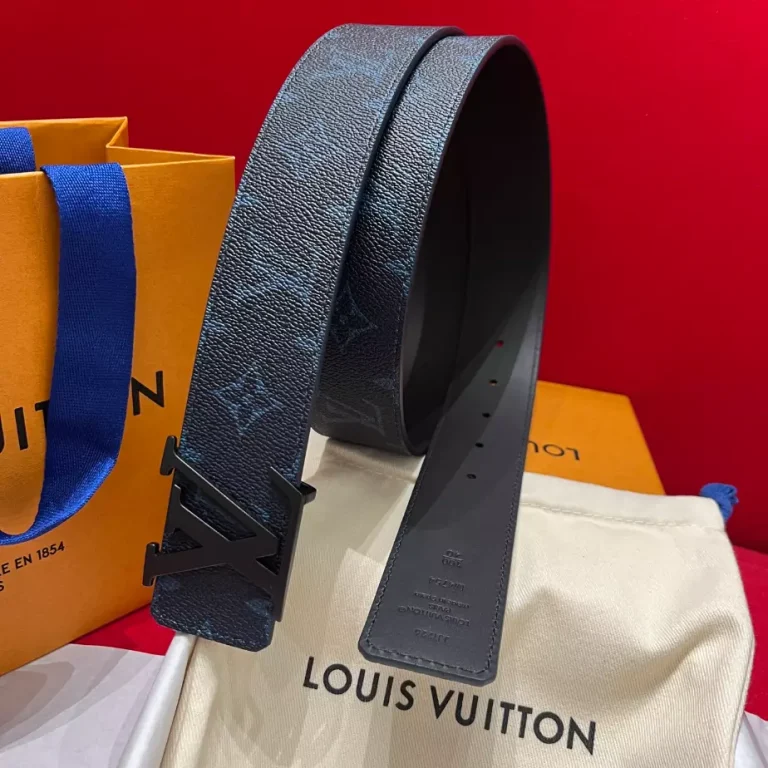
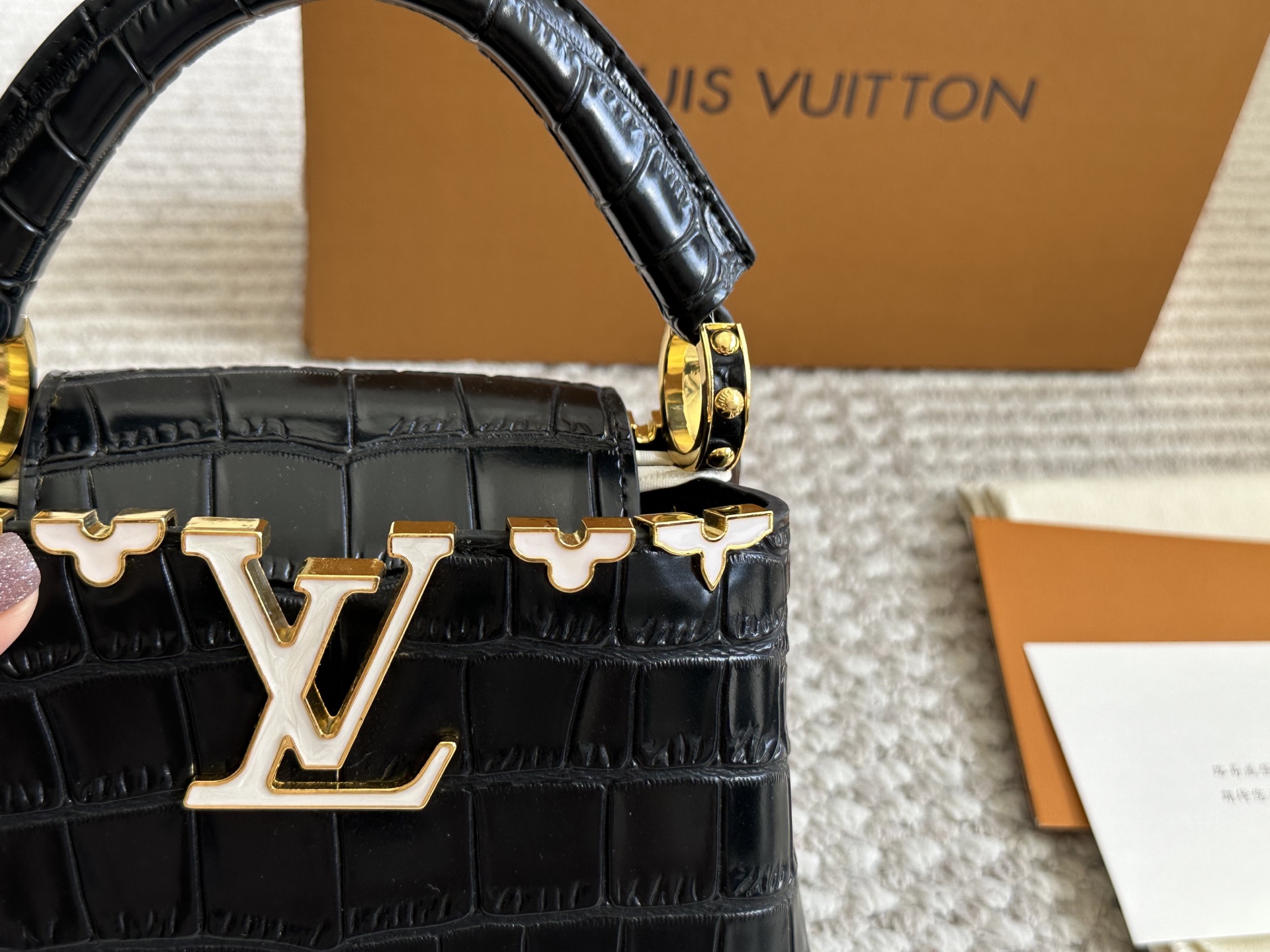
Content Menu
● Designer Replica vs Designer Dupe at a Glance
>> Does a “1:1” Claim Prove Quality?
>> Why Do Shoppers Confuse Dupes With Replicas?
● How Do Design, Branding, and Materials Compare?
>> Design Accuracy and Recognizable Details
>> Logos, Labels, and Presentation
● Are Designer Replicas and Dupes Legal?
>> What Does the Industry Data Show?
● A Practical Five-Point Buying Check
>> A Handbag Example: Same Trend, Different Decisions
● What Should a Responsible Supplier Disclose?
● Which Option Fits Your Priorities?
>> Is a Designer Dupe the Same as a Counterfeit?
>> Does a Replica Always Have a Designer Logo?
>> Are Unbranded Designer-Inspired Bags Automatically Safe to Sell?
>> Is a “1:1 Replica” Made From the Same Materials as the Original?
>> Which Is Better Quality: a Replica or a Dupe?
>> Can I Resell a Replica as an Authentic Designer Item?
A designer replica and a designer dupe can look similar in a product photo, but they are not the same thing. A designer replica generally aims to reproduce a particular branded item closely; a designer dupe usually borrows a recognizable aesthetic without claiming to be that item. Neither label guarantees quality or legality. The useful questions are what has been copied, what the seller says, and which rights may apply where the item is made and sold.
For shoppers comparing handbags, shoes, clothing, or accessories, the distinction affects more than appearance. It changes what you can reasonably expect from construction, labeling, returns, resale, and intellectual-property risk. This guide separates marketing language from observable product details so you can make a better-informed decision.
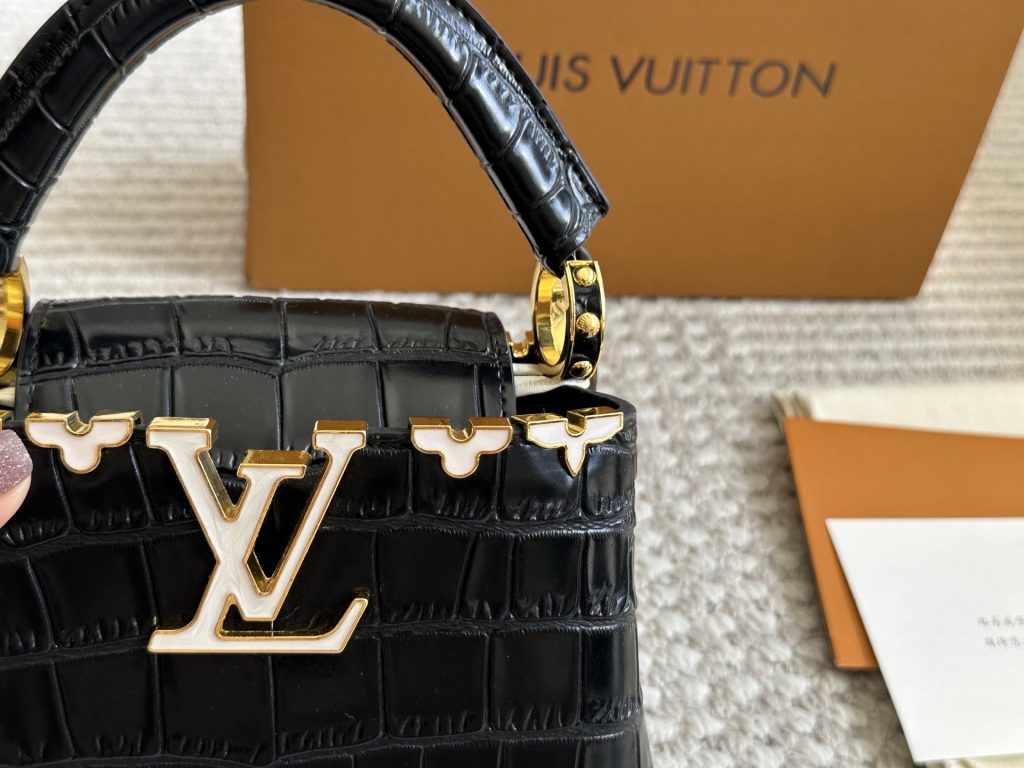
Designer Replica vs Designer Dupe at a Glance
| Question | Designer replica | Designer dupe |
|---|---|---|
| Design goal | Closely reproduce a specific original item | Evoke a style, silhouette, or trend |
| Branding | May reproduce logos, monograms, or branded packaging | Typically uses its own branding or none |
| Fidelity | Often marketed with terms such as “1:1” or “mirror” | May change proportions, materials, hardware, or details |
| Seller’s claim | Frequently identified by reference to one named original | Usually presented as an alternative look |
| Legal exposure | Particularly acute when protected marks appear without authorization | Still possible if protected designs, trade dress, or other rights are copied |
| Quality | Varies by maker and batch; “1:1” proves nothing by itself | Varies by maker and batch; lower resemblance does not mean lower quality |
| Resale description | Must not be misrepresented as authentic | Should be described under its actual maker and product name |
These are shopping terms, not universally fixed legal categories. A listing can call something a dupe while displaying another company’s marks. Conversely, the word replica alone does not tell you precisely which features are protected. Evaluate the physical item and the listing rather than trusting the headline.
What Is a Designer Replica?
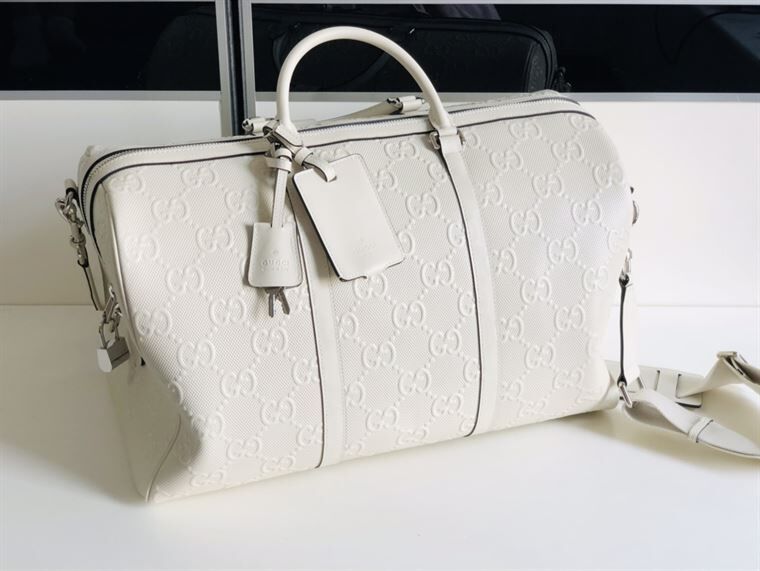
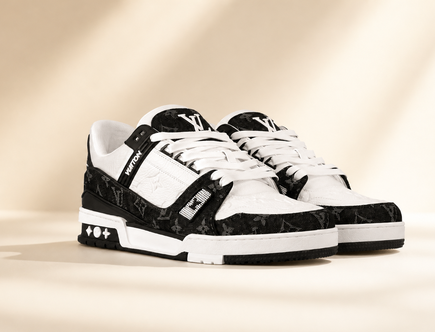
A designer replica is a product made to resemble a particular designer original as closely as possible. In handbags, that might mean matching a recognizable silhouette, panel layout, strap placement, hardware, lining, and exterior branding. In shoes, it could extend to the shape of the toe, the heel, the sole, and marked details. Sellers may use phrases such as “mirror quality” or “1:1 replica” to emphasize resemblance.
Resemblance is not authenticity. Unless an item was produced or authorized by the rights holder, it should not be presented as an original. A polished finish, a high price, or convincing packaging does not establish a brand relationship. Nor does a seller’s claim to use a factory associated with a luxury label; that claim needs independent verification.
Does a “1:1” Claim Prove Quality?
No. “1:1” is a marketing claim, not a standardized measurement or third-party certification. Two bags can look remarkably close in one photograph yet differ in stitch consistency, edge finishing, strap reinforcement, or how the zipper performs after repeated use. A product can also copy surface details while using different materials internally.
Ask for measurable specifications instead: dimensions, weight, material composition, hardware finish, construction photos, and a clear description of what is included. Compare the seller’s own photos of the item being sold, not only promotional images of the original. For footwear, request size measurements and sole details. For apparel, request a size chart with garment measurements rather than relying on a familiar designer size.
What Is a Designer Dupe?
A designer dupe is an alternative that captures the broad appeal of a designer style without necessarily trying to recreate every detail of one product. It might use a similar curved shoulder-bag shape, quilted texture, pointed toe, or tailored jacket profile, while changing the materials, proportions, closures, decorative elements, or branding.
A dupe is not automatically lawful simply because the logo is absent. Specific shapes, surface decoration, and other visual features can sometimes be protected. The outcome depends on the rights involved, the particular product, the market, and the degree of similarity. Likewise, two products sharing a common trend do not automatically amount to copying. The design’s individual features and overall impression matter.
Why Do Shoppers Confuse Dupes With Replicas?
The terms are used loosely online. Some creators call any affordable look-alike a dupe; some sellers use “replica” for products that only share a silhouette. Product photography adds another layer of confusion: a front-facing image may conceal a logo on the clasp, while an unbranded stock photo may not show what actually arrives.
One practical test is to ask: Which original item does the listing want me to recognize? If the product is engineered to match a named model’s distinctive details and carries its marks, it is closer to what shoppers usually mean by a replica. If it adopts a broader fashion direction but has its own identity and visible differences, “dupe” is more descriptive. This is a useful classification, not a legal verdict.
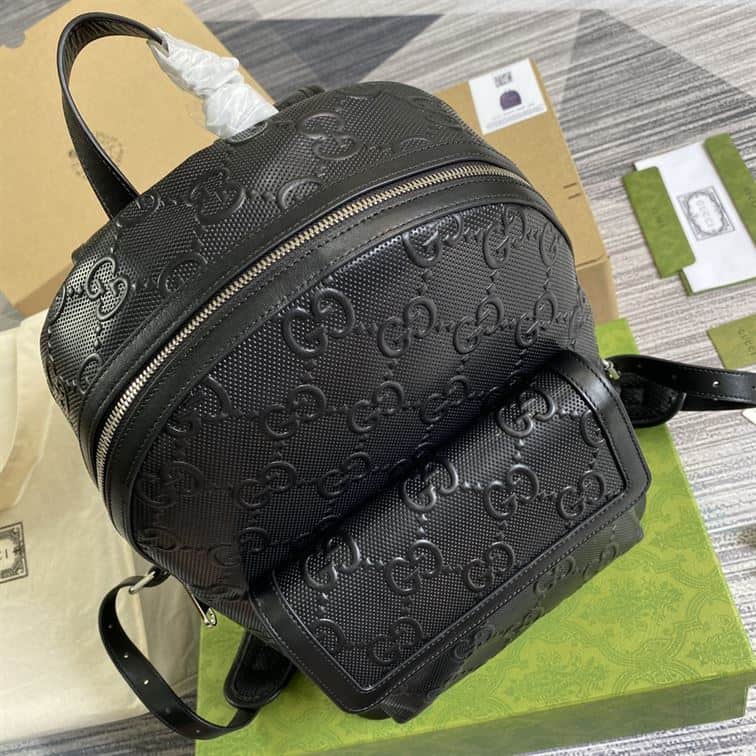
How Do Design, Branding, and Materials Compare?
Design Accuracy and Recognizable Details
Replica sellers tend to prioritize a close visual match. That can include dimensions, stitch layout, lining color, hardware placement, and packaging. Dupe makers have more freedom to reinterpret the idea: a top-handle bag might retain a structured profile but change the flap, handles, closure, and color palette. The amount of difference varies greatly from item to item.
In either category, assess function as well as appearance. Does the bag open easily? Does its strap adjust securely? Does a shoe support your foot? Does a jacket hang properly across the shoulders? A faithful-looking item that fails in daily use offers limited value.
Logos, Labels, and Presentation
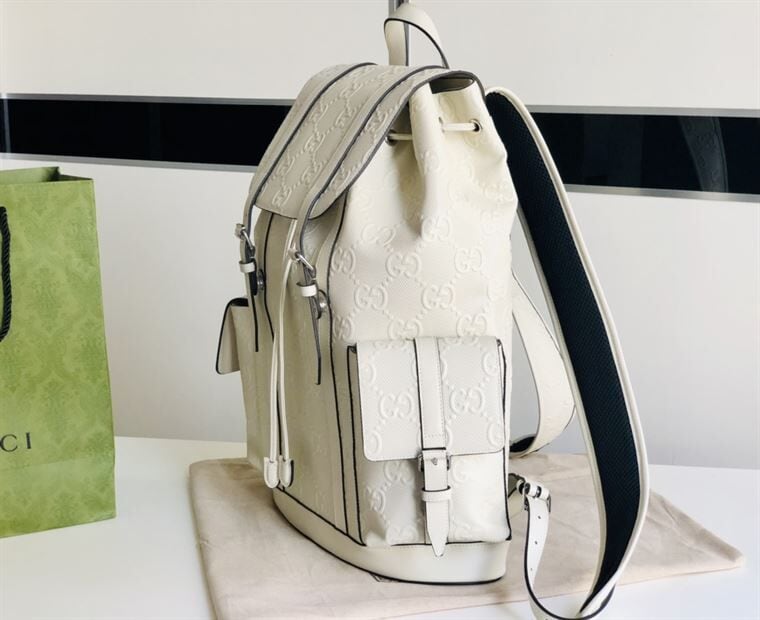
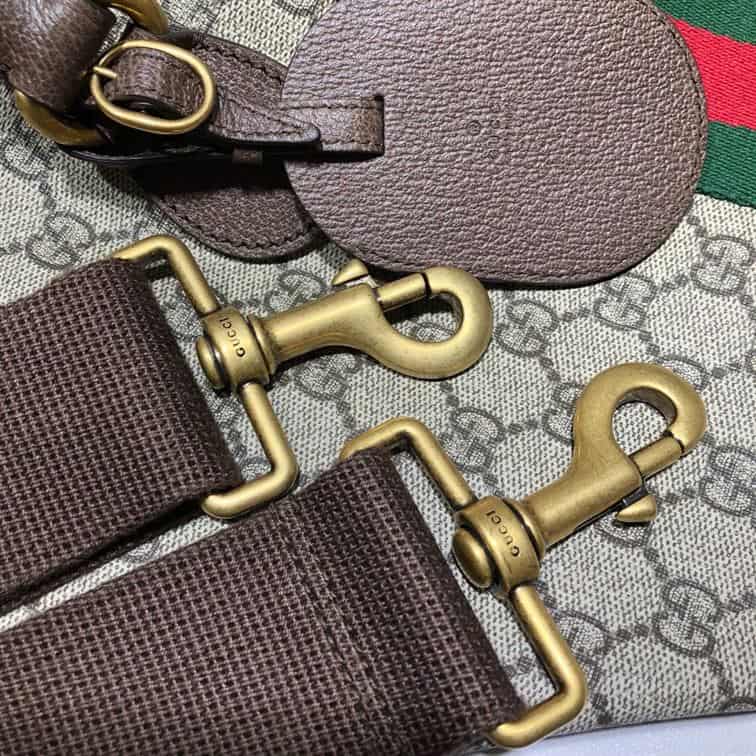
Brand identifiers are one of the clearest practical differences. A dupe typically bears its own maker’s name or no brand at all. A replica may show a copied logo, monogram, stamped label, branded dust bag, or packaging designed to suggest the original. Even if a seller openly describes such an item as non-genuine, that disclosure does not by itself resolve intellectual-property concerns.
Look beyond the product. Titles, photographs, invoices, and product tags can imply a connection to the original brand. If the listing seems designed to make buyers think the item is authorized or authentic, treat that as a warning sign. Clear identification of the actual maker gives you a better basis for evaluating the product and resolving a dispute.
Materials and Workmanship
Neither term specifies a material grade. A dupe can use well-finished leather or durable textiles; a replica can use premium components or inexpensive substitutes. Price alone does not settle the question. Even within one seller’s catalog, construction can vary between a small accessory and a heavily structured bag.
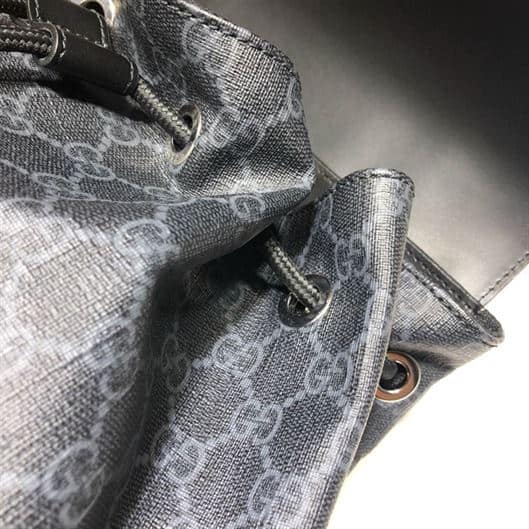
Inspect details that affect longevity: even stitching, clean seams, secure hardware, finished edges, smooth closures, and sound attachment points. Ask whether the description distinguishes genuine leather from coated or synthetic materials. If the seller cannot state what the item is made from, assume the quality claim remains unverified. When possible, compare close-up images from several angles and read the return terms before paying.
Are Designer Replicas and Dupes Legal?
There is no single worldwide answer. Laws differ by country, and the facts matter. In the United States, unauthorized use of a reproduction or imitation of a registered mark in commerce can create civil liability when it is likely to confuse or deceive. In the European Union, the appearance of a product may qualify for registered or unregistered design protection if the applicable requirements are met. Removing a logo is not a universal safe harbor.
The legal analysis also differs for making, importing, marketing, and buying an item. A listing’s disclaimer, such as “not affiliated with the original brand,” may clarify the seller’s claim but does not automatically authorize protected marks or designs. Conversely, resemblance to a general fashion trend does not automatically prove infringement. If you plan to sell or import look-alike products commercially, obtain advice qualified for the destination market before listing them.
What Does the Industry Data Show?
A 2025 OECD–EUIPO report estimated that global trade in counterfeit goods reached $467 billion in 2021, or 2.3% of world trade. Clothing, footwear, and accessories including handbags were among the leading product categories. Separately, EUIPO estimated that counterfeiting caused nearly €12 billion in annual lost clothing sales across the EU during 2018–2021, equal to 5.2% of the sector’s sales.
These figures describe counterfeit trade, not all products casually called “dupes.” They cannot tell you whether any individual bag is unlawful or poorly made. Their relevance is narrower but important: identity and branding are consequential at industry scale, so buyers should not dismiss copied marks as merely decorative.
A Practical Five-Point Buying Check
Use this short process before ordering any designer-inspired product. It works whether a seller calls the item a replica, dupe, alternative, or original design.
- Identify the actual maker. Find the seller’s registered business details, product name, and contact method. If the page implies designer authorization, ask for proof rather than inferring it from photographs.
- Separate style from protected identity. Check the item, listing, and packaging for copied names, logos, monograms, or highly specific visual details. A different label alone is not the whole analysis.
- Verify the object, not the adjectives. Request photos of the precise color and version offered, close-ups of seams and hardware, dimensions, and material specifications. Treat “premium” and “mirror” as unverified until supported by specifics.
- Calculate the complete cost. Include shipping, taxes, potential import charges, and return shipping. Confirm delivery estimates and whether you can obtain a refund for an item that does not match its description.
- Choose a payment method with recourse. Read independent reviews critically, retain screenshots of the listing, and keep receipts and seller messages. Avoid payment arrangements that make a dispute difficult.
A Handbag Example: Same Trend, Different Decisions
Imagine two structured shoulder bags with similar curved profiles. Bag A copies a named model’s distinctive hardware, monogram, interior stamp, and branded packaging. Bag B has its own clasp, different proportions, plain lining, and a clearly identified independent maker. Many shoppers would describe A as a replica and B as a dupe. Yet you still cannot assess B’s legal status—or either bag’s durability—from those labels alone. Ask for product evidence and consider the rights relevant to your market.
What Should a Responsible Supplier Disclose?
A supplier familiar with detailed manufacturing should be able to talk about products in concrete terms. Useful information includes material composition, production tolerances where relevant, hardware specifications, batch variation, inspection criteria, and a process for correcting defects. Claims about years of experience or mature production lines become more meaningful when tied to verifiable product documentation rather than broad promises.
For Luxurry Edit, the most credible way to explain its stated focus on close reproductions is to be precise about what it sells and what it does not claim. A product page should distinguish actual materials and workmanship from resemblance claims, identify whether any branding appears, and avoid suggesting authorization or authenticity without evidence. Because close copying and copied marks may create significant legal issues, product review should involve qualified counsel in each intended sales market. This is a recommendation, not a claim that any particular item has been cleared.
From a buyer’s perspective, request current-item photographs, a written materials list, measurements, shipping and return policies, and a clear explanation of who manufactured the item. If those details are unavailable, reconsider the purchase regardless of how persuasive the styling looks. Transparency is a stronger quality signal than similarity alone.
Which Option Fits Your Priorities?
Choose by the attribute you actually value. If you want the look of a trend without another label’s branding, an independently branded design with its own details may be a better fit. If you are evaluating a close reproduction, understand that visual fidelity does not confer authenticity or eliminate intellectual-property risk. If what matters most is the original brand’s provenance, warranty, and verified resale identity, consider an authorized retailer or an authenticated pre-owned item instead.
There is no need to treat a dupe as inherently cheap or a replica as inherently well made. Compare evidence: specifications, construction, seller transparency, total cost, and legal context. That approach is more reliable than deciding by a fashionable label.
Before ordering from Luxurry Edit or any other supplier, request the exact product specifications and current photos, confirm the item’s branding and return conditions, and seek local legal advice if you intend to import or resell it. Make the decision based on what you can verify—not on “1:1” promises.
Frequently Asked Questions
Is a Designer Dupe the Same as a Counterfeit?
Not necessarily. “Dupe” is a loose consumer term for a look-alike or style alternative. A counterfeit usually involves unauthorized use of protected branding or another violation associated with passing off a product as someone else’s. An item described as a dupe can still raise legal issues if it copies protected elements; the label does not determine the result.
Does a Replica Always Have a Designer Logo?
No. Shoppers often use “replica” to describe a close reproduction even when it lacks a logo. However, logos, monograms, labels, and branded packaging increase the likelihood that a product will be perceived as an attempted copy of the branded original and can raise distinct trademark concerns.
Are Unbranded Designer-Inspired Bags Automatically Safe to Sell?
No. An unbranded item may still implicate design or other intellectual-property rights. The analysis depends on the exact appearance, the relevant jurisdiction, and the rights currently in force. Commercial sellers should obtain market-specific legal advice before making broad compliance claims.
Is a “1:1 Replica” Made From the Same Materials as the Original?
Not by definition. The phrase describes a claimed degree of similarity, not a verified bill of materials. Ask for composition, construction details, and photographs of the specific item. Do not infer material equivalence from appearance or marketing language.
Which Is Better Quality: a Replica or a Dupe?
Neither category has an inherent quality advantage. Assess each item by stitching, reinforcement, materials, fit, hardware function, and the seller’s willingness to document those features. A less similar product can be better built; a closer match can also be carefully made. Evidence matters more than category.
Can I Resell a Replica as an Authentic Designer Item?
No. Representing a non-genuine item as authentic misleads buyers. Describe the product truthfully, and check the rules applicable to selling, importing, and advertising it in your market. If provenance is uncertain, do not imply a brand connection you cannot establish.
References
1. OECD and European Union Intellectual Property Office – “Mapping Global Trade in Fakes 2025” – Report summary and methodology; published 2025. Supports the 2021 global estimate and leading product categories. https://www.euipo.europa.eu/en/publications/mapping-global-trade-in-fakes-2025
2. European Union Intellectual Property Office – “Counterfeit goods cost EU industries billions of euros and thousands of jobs annually” – Summary of the 2018–2021 sector study; supports the EU clothing sales estimate. https://www.euipo.europa.eu/en/news/counterfeit-goods-cost-eu-industries-billions-of-euros-and-thousands-of-jobs-annually
3. Cornell Law School, Legal Information Institute – “15 U.S. Code § 1114 — Remedies; infringement” – Text of the U.S. registered-trademark infringement provision. https://www.law.cornell.edu/uscode/text/15/1114
4. European Union Intellectual Property Office – “FAQ: Designs — Basic Questions” – Explains registered and unregistered EU design rights and what product appearance can protect. https://www.euipo.europa.eu/en/help-centre/design/faq-basic-questions
5. Federal Trade Commission – “Online Shopping” – Consumer guidance on comparing products, checking sellers, payment, returns, and keeping purchase records. https://consumer.ftc.gov/articles/online-shopping
Hot Tags: Designer Replica Wholesale, Designer Dupe Wholesale, Wholesale Designer Replica Handbags, Wholesale Designer Dupe Bags, Designer Replica Handbag Suppliers, Designer Dupe Handbag Suppliers, Luxury Replica Bags Wholesale, Designer-Inspired Handbags Wholesale, Wholesale Designer-Inspired Shoes, Replica Fashion Accessories Wholesale