Content Menu
● Quick Answer: Replica vs Fake
● Replica vs Fake Designer Products: Comparison Table
● Why the Terms Are Commonly Confused
● What Makes a Product a Fake?
>> Common Signs of Fake Designer Products
>> Three Common Replica Categories
>>> 1. Non-Branded Design Alternatives
>>> 2. High-Similarity Reproductions
● Quality Does Not Define Authenticity
>> A Better Way to Evaluate Product Claims
● The Role of Trademarks, Logos, and Consumer Confusion
● Why “1:1 Mirror Replica” Is a High-Risk Claim
● Industry Reality: Why Counterfeit Risk Matters
● Practical Buyer Checklist: How to Shop More Safely
>> For Wholesale and Resale Buyers
● A Better Alternative: Designer-Inspired, Independently Branded Products
● Expert View: What Responsible Luxury-Style Sourcing Looks Like
● FAQ
>> 1. Is a replica the same as a fake?
>> 2. Are high-quality replicas authentic?
>> 3. What does “1:1 replica” mean?
>> 4. Can I legally resell replica designer products?
>> 5. What is the difference between designer-inspired and counterfeit products?
>> 6. How can I find a reliable luxury-style bag supplier?
>> 7. Why should wholesale buyers avoid unauthorized branded products?
The terms replica and fake are often used interchangeably in fashion conversations, especially when people discuss designer-style handbags, shoes, clothing, watches, and accessories. However, from a product, consumer, and intellectual-property perspective, the distinction is not as simple as quality level, price, or how closely an item resembles an original luxury design.
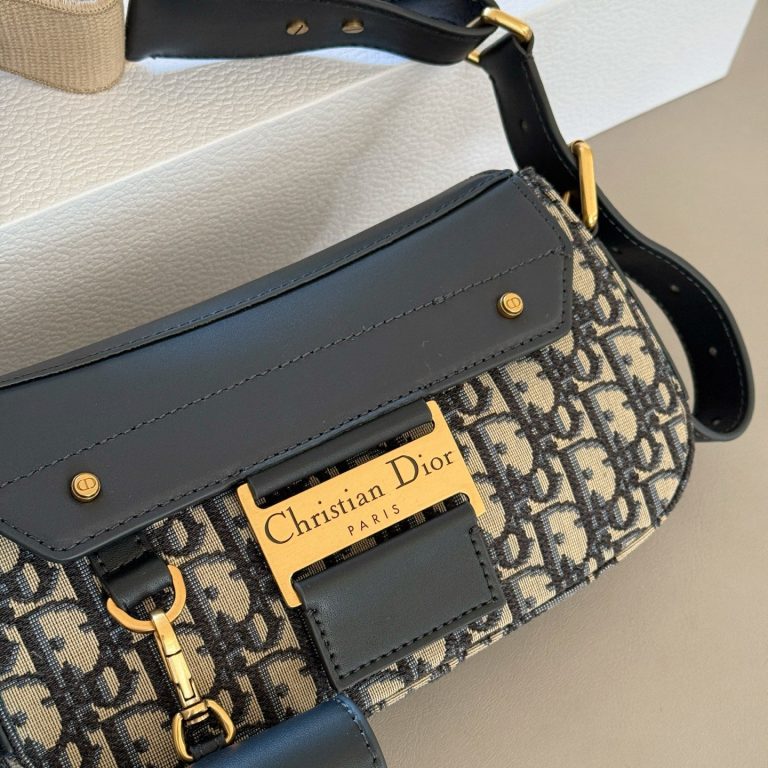
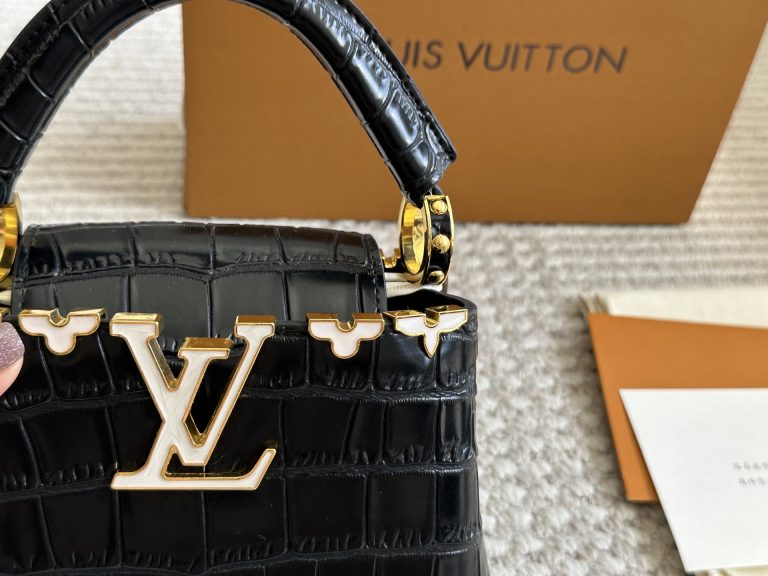
A product may be described in the market as a “high-quality replica,” “mirror-quality replica,” “inspired-by design,” or “designer alternative.” Yet if it uses a brand’s protected name, logo, monogram, packaging, labels, or other source-identifying elements without authorization, it can still be considered a fake designer product or counterfeit product. Understanding this difference helps buyers make better decisions, avoid misleading claims, and choose products with clearer provenance.
Quick Answer: Replica vs Fake
In everyday language, a replica usually means a product made to closely resemble an existing item. A fake usually refers to a product presented as, or designed to be mistaken for, an authentic branded item when it is not authorized by that brand.
The key distinction is not whether a product looks similar. The more important questions are:
- Does the item use a protected brand name, logo, monogram, label, or trademark?
- Is the product marketed in a way that may confuse the buyer about who made it?
- Does it claim or imply that it is authentic, authorized, factory-original, or brand-approved?
- Is the seller transparent about the product’s origin and independent status?
- Does the design copy protected artwork, distinctive trade dress, patented features, or other protected elements?
In short, similarity alone does not tell the whole story. Transparency, branding, authorization, and consumer perception matter.
Replica vs Fake Designer Products: Comparison Table
| Factor | Replica Product | Fake Designer Product |
|---|---|---|
| Basic meaning | A product designed to reproduce or closely imitate the appearance of another product | A product that falsely uses or imitates a brand identity to appear authentic or authorized |
| Typical purpose | To reproduce a design, silhouette, construction, or aesthetic | To make consumers believe the item comes from, is approved by, or is connected with a brand |
| Brand name use | May or may not use a brand name | Often uses an unauthorized brand name, logo, mark, label, or packaging |
| Logo and monogram | A non-branded look-alike may avoid brand identifiers | Commonly reproduces logos, monograms, stamps, serial details, or branded hardware |
| Seller transparency | A transparent seller identifies the actual manufacturer and product status | A deceptive seller may claim “authentic,” “original,” “factory surplus,” or “brand overrun” |
| Consumer confusion | Lower when branding and origin are clear | Higher when the product is likely to be mistaken for an official item |
| Legal risk | Depends on design rights, trademarks, marketing claims, and jurisdiction | Generally carries substantial trademark, customs, marketplace, and consumer-protection risk |
| Quality level | Can range from basic to highly detailed | Can also range from poor to sophisticated; quality does not make it legitimate |
| Buyer expectation | Buyers may understand they are purchasing a non-branded alternative | Buyers may believe they are purchasing a genuine luxury product |
The most important takeaway is this: a premium finish does not change the legal or ethical status of a product that uses unauthorized branding. Likewise, a lower-priced item is not automatically a fake simply because it resembles a trend or familiar silhouette.
Why the Terms Are Commonly Confused
The fashion market has created many informal labels for products that resemble well-known luxury goods. These labels can be confusing because they are often used to describe quality rather than origin.
For example, sellers may use phrases such as:
- “1:1 replica”
- “Mirror quality”
- “AAA quality”
- “Factory version”
- “Luxury inspired”
- “Same material”
- “Original-grade hardware”
- “Boutique quality”
- “Designer dupe”
- “Custom-made alternative”
These phrases are not standardized quality certifications. They do not prove that a product is authorized, authentic, safe, fairly made, or legally clear for resale. They are marketing language, and buyers should assess each claim carefully.
A product can have precise stitching, quality leather, polished hardware, and detailed finishing. But if it also carries an unauthorized trademark or is marketed as an official luxury item, it may still be a fake designer product.
What Makes a Product a Fake?
A fake designer product generally attempts to benefit from another company’s brand recognition without permission. It may copy the name, visual identity, packaging, labeling, or distinctive brand signals that consumers use to identify the authentic source.
Common Signs of Fake Designer Products
A product may raise concerns when it includes one or more of the following:
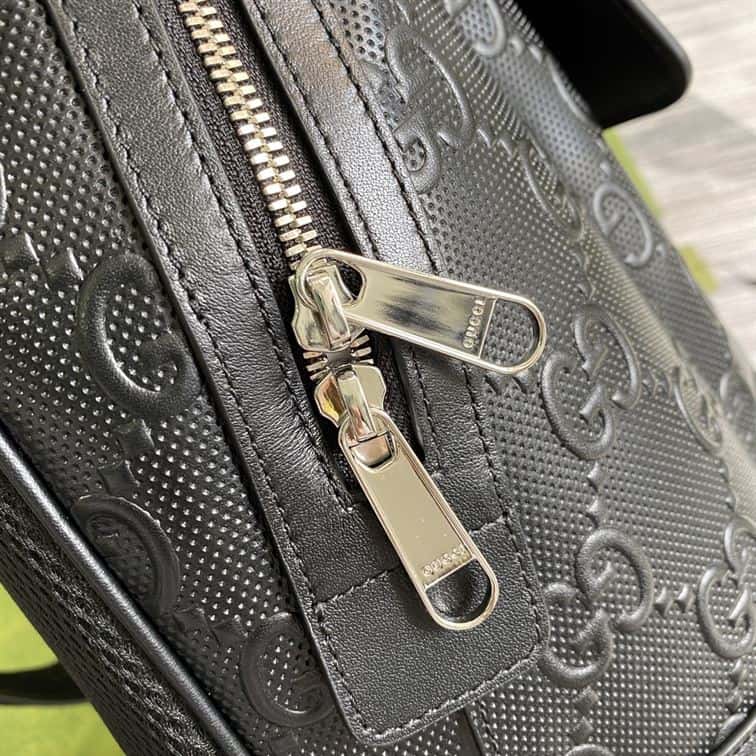
- An unauthorized luxury logo or monogram.
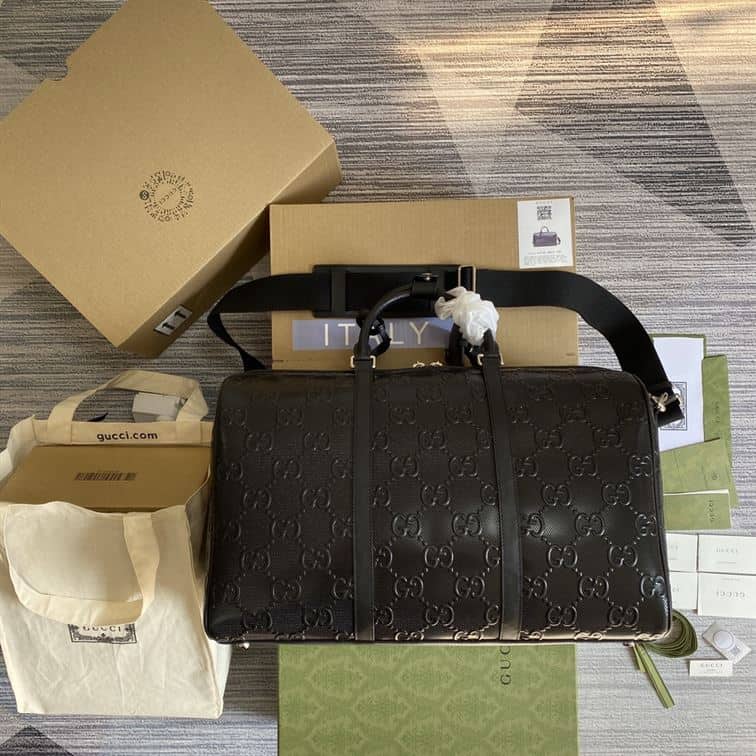
- A brand name printed on the product, dust bag, box, receipt, card, or label.
- A serial number, date code, authenticity card, or factory stamp intended to imitate an official system.
- Marketing language suggesting the item is authentic when it is not.
- Product photographs copied directly from an official brand campaign or retail listing.
- A suspiciously low price for a supposedly authentic item.
- Claims such as “brand factory,” “same supplier,” or “internal channel” without verifiable evidence.
- Shipping arrangements designed to conceal the item’s identity or avoid customs inspection.
- A seller who refuses to identify the manufacturer, material composition, or return policy.
Authenticity is not created by an authentication card, a serial code, or an embossed logo. Those details can be copied. Genuine provenance requires a legitimate chain from the authorized brand or retailer to the buyer.
What Is a Replica Product?
A replica is broadly understood as a reproduction of an existing design, object, or product. In fashion, the word is often used to describe items that seek to match the shape, proportions, material selection, stitching pattern, hardware, or visual impression of a luxury product.
However, the word “replica” can cover very different situations.
Three Common Replica Categories
1. Non-Branded Design Alternatives
A non-branded alternative may take inspiration from a popular shape, color palette, or functional feature without using another company’s trademarks. For example, a structured top-handle bag, woven leather tote, quilted shoulder bag, or minimalist leather loafer can reflect broader fashion trends.
These products are generally clearer for consumers when the seller:
- Uses its own brand name.
- Uses original product photography.
- Avoids copied logos, monograms, and labels.
- Clearly identifies materials and country of manufacture.
- Does not claim an affiliation with another fashion house.
- Avoids misleading phrases such as “identical to the authentic version.”
Even then, design rights and unfair-competition rules can vary across markets. A non-branded product should not be assumed to be risk-free simply because it does not display a logo.
2. High-Similarity Reproductions
Some products attempt to recreate nearly every physical detail of a famous item, including proportions, hardware placement, lining, closures, pockets, stitching, and decorative elements. Sellers may call these “1:1 replicas” or “mirror replicas.”
The closer a product comes to duplicating a protected design or distinctive visual identity, the more risk it may create. This is especially true when the product copy includes non-functional elements that have become strongly associated with a particular brand.
3. Branded Replicas
A branded replica includes unauthorized trademarks, logos, monograms, or brand-specific labeling. In practical terms, this category overlaps heavily with fake or counterfeit designer products.
Calling it a “replica” does not remove the issue. If an item uses protected brand identifiers without authorization, its marketing label is less important than the underlying conduct.
Quality Does Not Define Authenticity
One of the biggest misconceptions in the replica vs fake discussion is the belief that a high-quality product is somehow more legitimate than a poorly made counterfeit.
That is not how authenticity works.
Authenticity is based on source and authorization, not on whether the leather feels soft, whether the stitching is neat, or whether the packaging resembles an original.
A high-quality item may be:
- Well constructed.
- Made from genuine leather or premium textiles.
- Carefully stitched.
- Produced in a technically capable factory.
- Similar in weight and detailing to a luxury original.
But none of these factors prove that the item was produced by, licensed by, or authorized by the original brand.
Conversely, an authentic product can sometimes have natural leather variation, hand-finishing differences, or minor production imperfections. A small imperfection is not proof that a product is fake.

A Better Way to Evaluate Product Claims
Instead of asking only, “Is this a good replica?” consider asking:
- Who made this product?
- What brand is actually responsible for it?
- Are the materials, dimensions, and care instructions disclosed clearly?
- Does the product use another company’s protected name or logo?
- Does the seller claim it is authentic or authorized?
- Is there a clear return, refund, and customer-service policy?
- Can the seller provide consistent product photos of the actual item?
- Will the item be shipped and declared transparently?
This approach shifts attention from hype terminology to the information that actually protects the buyer.
The Role of Trademarks, Logos, and Consumer Confusion
Luxury branding is more than a logo printed on a bag. A brand identity can include names, symbols, monograms, color combinations, packaging formats, signature patterns, store presentation, and design features that consumers associate with a particular source.
Trademark rules generally focus on the likelihood that consumers may be confused about where a product comes from, who made it, or whether a brand approved it.
For that reason, a seller should not imply that an independent product is:
- Officially made by a luxury house.
- Produced in the same authorized facility.
- Made with “leftover original materials.”
- A genuine item with only a minor defect.
- A brand-approved sample.
- A hidden factory release.
- An authorized export version.
These claims can be particularly misleading because they borrow credibility from an established brand while making verification difficult for the buyer.
Why “1:1 Mirror Replica” Is a High-Risk Claim
The phrase “1:1 mirror replica” is designed to communicate maximum visual similarity. It suggests that a product matches an original item in dimensions, materials, details, and finish.
But this language creates several practical concerns.
First, it may signal that the seller is intentionally copying a protected product as closely as possible. Second, it can cause consumers to expect an authenticity level that the seller cannot substantiate. Third, it often shifts attention away from crucial questions about authorization, materials, production conditions, and product accountability.
For buyers, “1:1” should be treated as a marketing claim rather than an objective standard. There is no independent, universal testing body that certifies a bag, shoe, or accessory as “mirror quality.”
A responsible supplier should instead use verifiable descriptions such as:
- Full-grain leather or specified leather type.
- Hardware material and finish.
- Approximate dimensions.
- Lining composition.
- Closure type.
- Construction method.
- Care instructions.
- Production lead time.
- Actual-product photography.
- Clear non-affiliation statement where appropriate.
Specific specifications are more useful than vague quality labels.
Industry Reality: Why Counterfeit Risk Matters
Counterfeit trade is not a minor issue limited to fashion aesthetics. It affects brands, consumers, workers, logistics providers, online marketplaces, and customs authorities.
In 2024, authorities across the European Union detained more than 112 million counterfeit items, with an estimated retail value of €3.8 billion. Clothing and clothing accessories remained among the categories affected by enforcement activity.
Broader research has also linked illicit counterfeit trade to serious supply-chain and labor risks. A 2026 OECD and EUIPO report estimated that counterfeit and pirated goods represented approximately USD 467 billion in annual global trade and found recurring associations between counterfeit trade and weak labor protections, informal employment, hazardous work, and labor exploitation.
For fashion buyers, this matters because a low price can hide costs that are not visible in a product listing:
- Unverified material sourcing.
- Weak quality-control systems.
- Unsafe chemicals in dyes, coatings, adhesives, or finishes.
- Unclear working conditions.
- No reliable warranty or after-sales support.
- Customs seizure or delivery disruption.
- No dependable path for returns or refunds.
- Exposure of payment details to unreliable sellers.
The risks can extend beyond handbags and shoes. Authorities have reported counterfeit products across clothing, accessories, cosmetics, toys, electronics, and other consumer categories.
Practical Buyer Checklist: How to Shop More Safely
Whether you are sourcing fashion products for personal use, a boutique, an online store, or a wholesale business, due diligence should be part of every purchase decision.
Before You Buy
- Check whether the seller uses a real business name and consistent contact information.
- Ask for current photographs and videos of the exact product, not only polished catalog images.
- Request a complete material description, including outer material, lining, hardware, and care requirements.
- Confirm product dimensions in centimeters and inches.
- Review whether the seller makes unverifiable authenticity claims.
- Read the returns, refund, and shipping policies before payment.
- Avoid sellers who insist on rushed decisions or private payment methods with no buyer protection.
- Be cautious of product names that rely heavily on brand references, logos, or “same factory” claims.
- Ask whether the supplier can provide neutral packaging and independent branding.
- For commercial orders, request product compliance documentation relevant to your destination market.
For Wholesale and Resale Buyers
Commercial buyers should apply a higher standard because resale can create additional legal, financial, and reputational exposure.
Before placing a wholesale order:
- Verify the supplier’s identity. Obtain business registration information, production address, and responsible contact details.
- Review brand usage. Ensure product names, labels, packaging, and marketing assets do not use unauthorized third-party marks.
- Request samples. Inspect workmanship, materials, labeling, odor, color transfer, hardware, and packaging before bulk production.
- Document specifications. Use a written specification sheet covering materials, measurements, colors, tolerances, packaging, inspection standards, and defect thresholds.
- Use original branding. Build a private-label or independent brand strategy rather than relying on another company’s visual identity.
- Check destination-market requirements. Product labeling, material disclosures, consumer-safety expectations, and import requirements can differ by country.
- Plan traceability. Keep invoices, purchase orders, production records, shipping documents, and inspection reports.
A well-run sourcing process protects both the buyer and the supplier. It also creates a more sustainable foundation for long-term product development.
A Better Alternative: Designer-Inspired, Independently Branded Products
For buyers who appreciate premium fashion aesthetics but want a clearer commercial path, independently branded and designer-inspired products can offer a more responsible alternative.
The objective should not be to imitate a specific luxury item down to every protected detail. Instead, it should be to translate broad style signals into original products.
For instance, a supplier can develop a structured leather shoulder bag with:
- A distinct silhouette.
- Original hardware.
- A proprietary logo or no external logo.
- Its own stitch pattern.
- Unique lining and pocket layout.
- Custom colorways.
- A separately developed product name.
- Original photography and brand storytelling.
This approach creates value that belongs to the supplier and buyer. It supports private-label development, differentiates the product in the market, and avoids building a business around another brand’s identity.
For brands, retailers, and distributors, independent design is not only a compliance consideration. It is a commercial advantage. You can control the product story, create repeatable collections, refine customer feedback loops, and build long-term brand equity.
Expert View: What Responsible Luxury-Style Sourcing Looks Like
From a product-development perspective, the strongest supplier relationship is built on more than visual similarity. It depends on transparent materials, consistent production, documented specifications, and accountable service.
A professional supplier should be able to discuss:
- Leather grade, textile composition, and finishing methods.
- Hardware plating, corrosion resistance, and color consistency.
- Stitch density and construction standards.
- Sampling process and revision cycles.
- Quality-control checkpoints.
- Minimum order quantities and lead times.
- Packaging options.
- Private-label capabilities.
- Defect and rework procedures.
- Product-care guidance.
- Shipping and customs documentation.
These details are more valuable than a generic promise of “top quality.” They help a buyer understand what is actually being purchased and establish whether the supplier can deliver stable results at scale.
For a company such as Luxurry Edit, the strongest long-term positioning is not a claim that a product is indistinguishable from a named luxury item. It is the ability to offer high-end craftsmanship, dependable manufacturing, transparent specifications, and original private-label opportunities for customers who value refined design and reliable quality.

Final Thoughts
The difference between replica and fake designer products comes down to more than appearance. A replica may describe a close reproduction, but a fake designer product usually involves unauthorized branding, misleading authenticity claims, or an attempt to create confusion about a product’s source.
Buyers should look beyond terms such as “1:1,” “mirror quality,” and “factory grade.” Focus instead on the manufacturer’s identity, product specifications, material transparency, branding, documentation, and customer protections.
The most durable value in luxury-style fashion comes from products that combine excellent craftsmanship with clear provenance. A carefully made, independently branded bag or shoe can deliver premium visual appeal without relying on misleading claims about a third-party luxury brand.
Looking for premium, luxury-inspired products with clearer specifications and dependable manufacturing support? Contact Luxurry Edit to discuss independently branded designs, material options, sampling, quality standards, and private-label development for your market.
FAQ
1. Is a replica the same as a fake?
Not always in casual conversation, but the terms often overlap. A replica usually means a close reproduction of an existing item. A fake usually refers to a product that falsely appears to be authentic, authorized, or connected to a specific brand. If a replica uses unauthorized logos, trademarks, labels, or packaging, it may be considered a fake or counterfeit product.
2. Are high-quality replicas authentic?
No. Product quality and authenticity are different issues. An item can use premium leather, neat stitching, and solid hardware while still being unauthorized. Authenticity depends on whether the product comes from the original brand or an authorized producer, distributor, or retailer.
3. What does “1:1 replica” mean?
“1:1 replica” is a marketing phrase suggesting that a product closely matches an original in appearance and details. It is not an official certification, independent quality standard, or proof of authenticity. Buyers should ask for measurable specifications rather than relying only on this label.
4. Can I legally resell replica designer products?
Reselling products that use unauthorized trademarks, logos, or brand-identifying elements can create serious legal and marketplace risks. Laws vary by country, but commercial buyers should seek qualified legal advice for their destination market and avoid relying on another company’s brand identity.
5. What is the difference between designer-inspired and counterfeit products?
Designer-inspired products use broad style influences while maintaining their own branding, product name, visual identity, and design details. Counterfeit products imitate a specific brand’s identity, often through unauthorized logos, monograms, labels, packaging, or claims of authenticity.
6. How can I find a reliable luxury-style bag supplier?
Look for a supplier that clearly identifies its business, provides actual product samples, discloses materials and dimensions, uses transparent quality-control procedures, offers written specifications, and supports original branding or private-label development. Avoid sellers who make unverifiable claims about famous brands or “secret factory” access.
7. Why should wholesale buyers avoid unauthorized branded products?
Unauthorized branded products can be seized during shipping, removed from marketplaces, rejected by payment providers, and linked to financial or reputational losses. Wholesale buyers also need consistent supply, documented product specifications, and a reliable after-sales process, which are difficult to maintain in opaque supply chains.
References
- European Union Intellectual Property Office. European Union Seizes 112 Million Counterfeit Items Worth €3.8 Billion in 2024.
- European Commission, Taxation and Customs Union. European Union Detains 112 Million Counterfeit Goods Worth €3.8 Billion in 2024.
- Organisation for Economic Co-operation and Development. How Counterfeit Goods Fuel Forced Labour Across Global Supply Chains.
- OECD and European Union Intellectual Property Office. From Fakes to Forced Labour.
- German Patent and Trade Mark Office. Consequences of Buying Counterfeit Goods.
Hot Tags: Replica Designer Products, Fake Designer Products, Designer Inspired Handbags Wholesale, Private Label Handbags, Luxury Handbag Manufacturer, Custom Leather Bag Manufacturer, Wholesale Fashion Accessories, OEM Handbag Manufacturer, ODM Handbag Manufacturer, Private Label Leather Goods