Content Menu
● What Does “Designer Replica Bags” Mean?
● Replica Handbags vs. Other Bag Categories
● Why Consumers Search for Replica Handbags
● The Difference Between Quality and Authenticity
>> Quality indicators in a handbag
>> Authenticity indicators are different
● Why “1:1 Replica” Claims Require Caution
● Industry Insight: The Real Value of Original Product Development
>> A responsible private-label handbag process
● How to Evaluate a Handbag Supplier
>> Questions to ask before placing an order
● Consumer Risks of Counterfeit Handbags
>> Quality and durability risk
>> Consumer-safety and environmental risk
● Practical Buying Checklist for Luxury-Style Bags
>> If buying second-hand authentic luxury
● A Better Alternative: Build Your Own Premium Bag Collection
● FAQ
>> Are designer replica bags legal to buy?
>> What is the difference between a replica bag and a counterfeit bag?
>> Does “1:1 replica” mean a bag is authentic?
>> Can a bag be high quality but still be counterfeit?
>> What should I look for in a reliable handbag manufacturer?
>> Are logo-free designer-inspired bags safer than branded replicas?
>> Why are private-label bags a better long-term option for retailers?
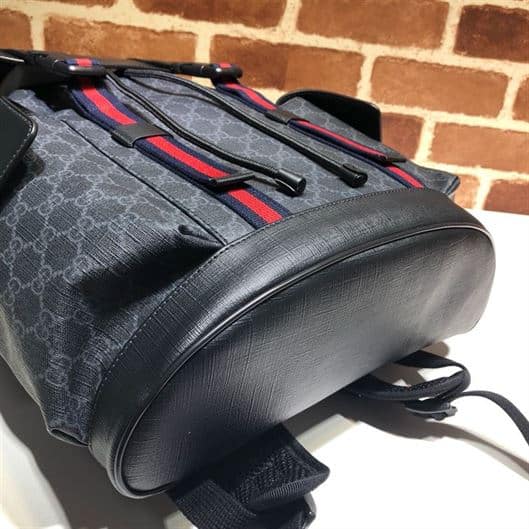
Designer replica bags are handbags made to imitate the visual identity, construction, or branding of established luxury labels. The phrase replica handbags is often used broadly online, but it can describe very different products—from logo-free fashion alternatives to products that copy protected trademarks, designs, packaging, and serial details.
For buyers, retailers, and content publishers, the distinction matters. A bag inspired by a trend is not automatically the same as a counterfeit product. However, a handbag marketed as a “1:1 replica,” “mirror quality,” or an exact copy of a branded original may create serious intellectual-property, importation, consumer-protection, and reputation risks.
This guide explains what designer replica bags are, how they differ from authentic designer bags and legal alternatives, how quality claims should be evaluated, and what responsible sourcing looks like in the handbag market.
What Does “Designer Replica Bags” Mean?
The term designer replica bags has no single universal commercial definition. In consumer searches, it may refer to several types of products that differ greatly in design approach, legality, craftsmanship, price, and buyer expectations.
At its simplest, a replica bag is a product designed to resemble an existing luxury handbag. The resemblance may involve:
- A similar silhouette
- Comparable color blocking
- Familiar hardware shapes
- Similar materials or textures
- A recognizable closure or handle structure
- Closely copied logos, monograms, labels, dust bags, or packaging
- Claims that the product is identical to a specific branded item
The key dividing line is usually whether the item uses or imitates legally protected brand assets in a way that could confuse consumers about origin, affiliation, or authenticity.
Designer-inspired bags can borrow broad fashion ideas, such as a structured top-handle shape or a woven texture, without presenting themselves as products of a specific luxury house. By contrast, a counterfeit handbag generally uses protected logos, trademarks, design details, or product identifiers without authorization.
The Organisation for Economic Co-operation and Development describes counterfeit goods as tangible goods that infringe trademarks, design rights, or patents. In 2021, counterfeit and pirated goods were estimated to account for USD 467 billion, or 2.3% of global imports. Clothing, footwear, and leather goods were among the most affected categories in seizure data.
Replica Handbags vs. Other Bag Categories
People often use “replica,” “dupe,” “inspired,” “lookalike,” and “counterfeit” interchangeably. That can be misleading. Each term can indicate a different level of copying and a different commercial risk.
| Category | Typical Characteristics | Branding Status | Buyer Risk Level |
|---|---|---|---|
| Authentic designer bag | Produced or authorized by the trademark owner | Official logo, packaging, records, and product identifiers | Lowest, when purchased through verified channels |
| Licensed product | Produced by an approved manufacturer or collaborator | Authorized branding and documented relationship | Low |
| Designer-inspired bag | Shares broad aesthetic ideas without copying protected identifiers | No unauthorized logo or trademark use | Lower, but design-right review is still important |
| Lookalike bag | Closely resembles a popular silhouette or feature set | May avoid logos but can still raise design-copying concerns | Moderate |
| Replica handbag | Marketed as a copy, mirror version, or imitation of a named luxury product | May include copied identifiers or imply affiliation | High |
| Counterfeit bag | Uses unauthorized trademarks, logos, labels, packaging, or origin claims | Unauthorized branding intended to resemble the genuine item | Very high |
A product does not need to be poorly made to be legally problematic. A bag can use high-grade leather, neat stitching, and durable metal hardware while still infringing a trademark or registered design.
That point is especially important for manufacturers. Craftsmanship and authorization are separate questions. Strong manufacturing capability does not create permission to reproduce a brand’s protected assets.
Why Consumers Search for Replica Handbags
The market for replica handbags is driven by a mix of price pressure, fashion accessibility, social-media exposure, and demand for recognizable styles.
Luxury handbags can command prices that are out of reach for many consumers. As a result, shoppers may search for terms such as:
- Affordable designer bag alternatives
- Luxury-inspired handbags
- High-quality leather handbags
- Designer-style tote bags
- Classic flap bag alternatives
- Structured top-handle bags
- Premium handbags without logos
- Minimalist luxury-style bags
Some buyers knowingly look for imitations. Others may be misled by vague phrases such as “factory original,” “overrun,” “same supplier,” or “authentic quality.” These descriptions are not reliable proof that an item is authorized, genuine, or legally saleable.
European consumer research has found that shoppers can have difficulty distinguishing counterfeit products from authentic ones. This uncertainty grows when products are sold through unfamiliar online stores, social platforms, marketplaces, or private messages.
The Difference Between Quality and Authenticity
One of the biggest misunderstandings in the replica handbag market is the belief that close workmanship proves authenticity. It does not.
A bag may feel heavy, use leather, have aligned stitching, and arrive with sophisticated packaging. None of those details alone confirm that the brand owner authorized the item.
Quality indicators in a handbag
When evaluating a handbag as a physical product, buyers may look at:
- Leather type and finish
- Stitch density and consistency
- Edge painting quality
- Hardware weight and plating
- Handle reinforcement
- Lining construction
- Zipper performance
- Strap durability
- Interior organization
- Shape retention
- Odor and material safety
- Packaging protection during shipping
These factors matter for product performance. However, they answer the question, “Is the bag well made?” They do not answer, “Is the bag authentic or authorized?”
Authenticity indicators are different
Authenticity typically requires a credible chain of evidence, such as:
- Purchase from an official brand boutique or authorized retailer
- A verifiable invoice or order record
- Consistent product identification and documentation
- Brand-specific authentication review where appropriate
- Transparent resale history for second-hand purchases
A serial number, QR code, card, dust bag, or branded box should not be treated as conclusive proof. These items can also be copied.
Why “1:1 Replica” Claims Require Caution
Terms such as “1:1 replica,” “mirror quality,” “AAA grade,” and “identical to original” are common marketing phrases. They are not standardized quality certifications.
There is no independent universal authority that defines what “AAA grade” means for handbags. One seller may use the term to describe material quality; another may use it simply to signal a high-tier price. Without measurable specifications, these labels can create false confidence.
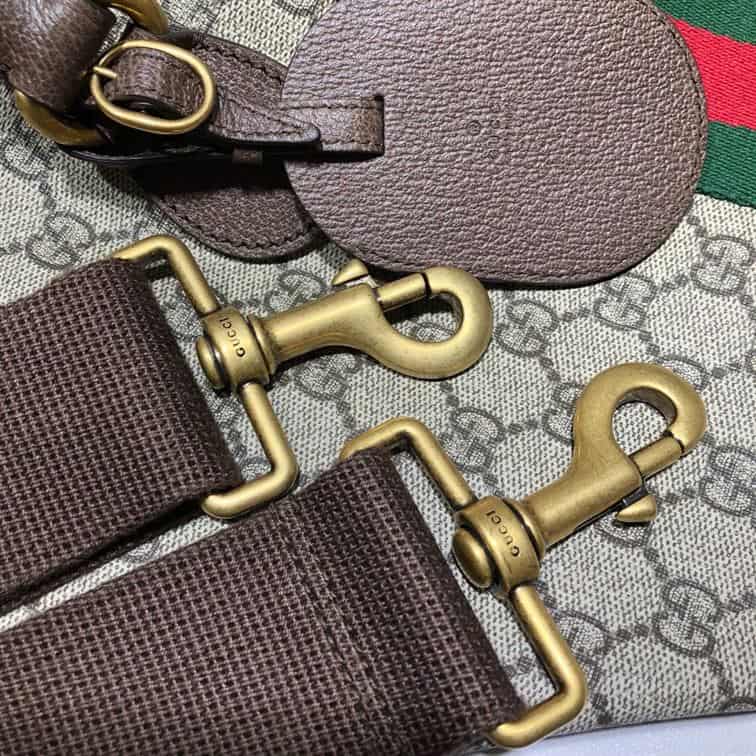
A more credible handbag supplier should be able to discuss objective production details, including:
- Leather origin and tanning method
- Material composition
- Hardware base metal and coating
- Available color standards
- Stitching specifications
- Sample approval process
- Defect-control procedures
- Lead time
- Minimum order quantity
- Packaging options
- Compliance documentation when applicable
- Brand-neutral customization capabilities
For businesses, clear specifications are more valuable than vague claims of being “the best replica supplier.” A reliable partner should be prepared to manufacture a distinctive product under your own brand, rather than depend on another company’s identity.
Industry Insight: The Real Value of Original Product Development
In the premium handbag sector, sustainable business value comes from originality, repeatable quality, and traceable production, not from copying recognizable logos.
A manufacturer with mature production lines can create competitive handbags without reproducing protected luxury-brand elements. This route gives importers, wholesalers, retailers, and emerging labels more control over their product strategy.
A responsible private-label handbag process
A professional development workflow often includes:
- Market positioningDefine the customer, price band, sales channel, and intended product use.
- Original design directionBuild a unique silhouette, hardware story, color palette, and interior layout.
- Material selectionChoose leather, vegan alternatives, canvas, nylon, microfiber, or recycled materials based on performance and target price.
- Technical package creationDocument measurements, hardware placement, construction methods, trims, logo treatment, and packaging requirements.
- Prototype samplingReview a physical sample before bulk production begins.
- Quality-control standardsSet acceptable tolerances for stitching, color variation, hardware scratches, glue marks, and structural alignment.
- Branding and packagingUse original logos, labels, hang tags, dust bags, and cartons that reinforce your own identity.
- Pre-shipment inspectionVerify quantities, workmanship, packaging, and agreed product specifications before delivery.
This approach gives a brand something more durable than a short-term imitation trend: a product line it can build, market, protect, and improve over time.
How to Evaluate a Handbag Supplier
For a buyer sourcing handbags internationally, supplier selection should go beyond product photographs. A professional-looking image does not confirm production capacity, material consistency, ownership of a design, or ability to meet delivery requirements.
Questions to ask before placing an order
- Can you provide original, brand-neutral handbag designs?
- Do you offer OEM or ODM development?
- What materials are available for this style?
- Can you send a sample before bulk production?
- What is your quality-inspection process?
- How do you manage color matching across production batches?
- What is the minimum order quantity for custom hardware?
- What are your production lead times?
- Can you support custom logos, linings, dust bags, and cartons?
- Do you have export experience for my destination market?
- Can you confirm that the final design and branding do not use unauthorized third-party marks?
- What documentation can you provide for material composition and product specifications?
Red flags to watch for
Be cautious when a supplier:
- Promises “100% identical” branded products
- Uses another brand’s logo in catalog images
- Refuses to identify materials clearly
- Cannot provide samples or factory information
- Pushes payment through informal channels only
- Makes unrealistic delivery promises
- Avoids written specifications
- Offers unusually low pricing for claimed premium materials
- Provides inconsistent product photos
- Encourages misleading descriptions such as “authentic factory surplus”
A transparent supplier should welcome detailed product questions. Clear communication is often a better sign of professionalism than extravagant claims.
Consumer Risks of Counterfeit Handbags
A handbag may seem like a lower-risk purchase than electronics, cosmetics, or medicine, but counterfeit fashion goods can still create financial, legal, ethical, and quality concerns.
Financial risk
A buyer may pay a premium for an item advertised as genuine but receive an imitation. The item may also have little or no resale value, no warranty, and no reliable return process.
Import and customs risk
Products that infringe intellectual-property rights may be detained or seized by customs authorities. U.S. Customs and Border Protection advises consumers to avoid potentially dangerous counterfeit items and identifies intellectual-property enforcement as a trade priority.
Quality and durability risk
Without transparent standards, an item may use weak coatings, unstable dyes, poor adhesives, or low-quality hardware. A product that appears good in photographs may fail after limited use.
Consumer-safety and environmental risk
Not every counterfeit handbag presents a direct safety hazard. Still, counterfeit products often lack the verified production controls, material traceability, and regulatory oversight expected in legitimate supply chains. EUIPO research found that 97% of recorded dangerous counterfeit goods in one dataset were assessed as posing serious risks, with hazardous chemical exposure identified as the most common reported danger.
Ethical and business risk
Counterfeit trade can undermine legitimate designers, retailers, and manufacturers that invest in product development, testing, skilled labor, and brand building. It can also expose retailers and online sellers to account suspensions, customer disputes, chargebacks, and legal claims.
Practical Buying Checklist for Luxury-Style Bags
If you want the look of refined craftsmanship without the uncertainty surrounding branded replicas, use a more transparent buying process.
Before you buy
- Decide whether you want an authentic pre-owned bag, an authorized contemporary brand, or a logo-free luxury-inspired style.
- Set a realistic budget for the category.
- Review the seller’s identity, return policy, and contact details.
- Ask for original photographs, including interiors, corners, hardware, and stitching.
- Read material descriptions carefully.
- Avoid claims that rely only on words such as “mirror,” “super clone,” or “top grade.”
- Keep transaction records and product communications.
- Use payment methods that offer buyer protection where available.
If buying second-hand authentic luxury
- Purchase from established resale businesses with a clear authentication process.
- Compare product details with official historical references.
- Request clear proof of purchase when possible.
- Review condition reports carefully.
- Be skeptical of prices that are dramatically below typical market value.
- Understand that no single accessory, serial number, or packaging item guarantees authenticity.
A Better Alternative: Build Your Own Premium Bag Collection
For fashion retailers, distributors, and new labels, the strongest long-term alternative to designer replica bags is a proprietary product collection.
Instead of competing on copied visual identity, develop handbags around distinctive customer benefits:
- Lightweight construction for daily use
- Scratch-resistant leather finishes
- Adjustable straps for flexible styling
- Secure laptop compartments
- Thoughtful internal pockets
- Modular accessories
- Seasonal color stories
- Gift-ready packaging
- Traceable materials
- Custom monogram or private-label services
For example, rather than reproducing a famous luxury tote, a brand could develop an original work-to-weekend tote with a padded 14-inch laptop compartment, detachable pouch, reinforced handles, magnetic closure, and custom hardware. The product may satisfy the same practical need while creating a clear, ownable identity.
That is where manufacturing expertise becomes commercially valuable: turning a market opportunity into a reliable product that customers can recognize as yours.
Final Thoughts
Designer replica bags may seem like a simple category, but the term covers products with very different levels of quality, authorization, transparency, and risk. A close visual match to a famous bag does not prove authenticity, and high-level craftsmanship does not remove intellectual-property concerns.
For consumers, the safest path is to choose authentic products through verified channels, reputable second-hand sellers, or brand-neutral luxury-style alternatives. For businesses, the most resilient strategy is to invest in original handbag development, clear specifications, consistent production quality, and distinct private-label branding.
Looking for premium handbag manufacturing without brand-copying risk? Work with a supplier that can help develop original, high-quality bags around your materials, functional requirements, target price, packaging needs, and brand identity.
FAQ
Are designer replica bags legal to buy?
The answer depends on the product, the country, and whether it infringes trademarks, design rights, copyrights, or other protected rights. Products carrying unauthorized logos or brand identifiers can create legal and customs risks. Consult qualified legal advice for the specific market where you plan to buy, import, sell, or distribute products.
What is the difference between a replica bag and a counterfeit bag?
A replica bag generally describes a bag that imitates another product. A counterfeit bag usually refers to an unauthorized product using protected branding or identifiers in a way that suggests it is genuine. In practice, the terms may overlap, especially when a product copies logos, labels, packaging, or named brand designs.
Does “1:1 replica” mean a bag is authentic?
No. “1:1 replica” is a marketing phrase, not proof of authenticity, authorization, quality testing, or material equivalence. Authenticity should be supported by a trustworthy purchase channel and verifiable documentation.
Can a bag be high quality but still be counterfeit?
Yes. Product quality and legal authorization are separate issues. A well-constructed bag may still infringe a brand’s trademark, design rights, or other intellectual property if it copies protected features without permission.
What should I look for in a reliable handbag manufacturer?
Look for original-design capability, clear material specifications, sampling support, documented quality control, transparent communication, realistic lead times, custom-branding options, and willingness to avoid unauthorized third-party branding.
Are logo-free designer-inspired bags safer than branded replicas?
Generally, a logo-free bag creates less risk than a product that copies trademarks or presents itself as a specific brand. However, sellers and buyers should still assess whether the overall design, trade dress, or product presentation may infringe protected rights in their target market.
Why are private-label bags a better long-term option for retailers?
Private-label bags allow retailers to control their brand identity, positioning, packaging, pricing, customer experience, and product evolution. They also reduce dependence on copied branding and provide a stronger foundation for repeat sales and long-term brand equity.
References
- Organisation for Economic Co-operation and Development. “Counterfeit and Pirated Goods.”
- Organisation for Economic Co-operation and Development. “Global Trade in Fake Goods Reached USD 467 Billion, Posing Risks to Consumer Safety and Compromising Intellectual Property.”
- Organisation for Economic Co-operation and Development. “Mapping Global Trade in Fakes 2025: Global Trends and Enforcement Challenges.”
- European Union Intellectual Property Office. “Dangerous Fakes: Trade in Counterfeit Goods That Pose Health, Safety and Environmental Risks.”
- U.S. Customs and Border Protection. “Intellectual Property Rights.”
- U.S. Customs and Border Protection. “The Truth Behind Counterfeits.”
- German Patent and Trade Mark Office. “Consequences of Buying Counterfeit Goods.”
Hot Tags: Designer Replica Bags, Replica Handbags, Wholesale Replica Bags, Replica Bag Supplier, Replica Handbag Manufacturer, Luxury Handbag Manufacturer, Private Label Handbags, OEM Handbag Manufacturer, Custom Handbag Manufacturer, Leather Handbag Supplier