Content Menu
● Introduction: Choosing a Manufacturing Partner, Not Just a Website
● Selection Criteria: How to Evaluate a Reliable Supplier
>> 1. Business Identity and Production Responsibility
>> 2. Development and Customization Capability
>> 4. Quality-Control Documentation
>> 5. Delivery and Capacity Transparency
>> 6. Relevant Compliance Evidence
>> 1. Luxurry Edit — A Buyer-Nominated Candidate for Smaller-Brand Discussions
>> 2. Joes Footwear — Private-Label Development and Production Coordination
>> 3. Dadao Footwear — Custom Sneaker and Footwear Engineering Support
>> 4. Clarco — A Broad Material and Construction Offering
>> 5. HYD Shoes — Broad Footwear Sourcing and Customization
>> 6. Xin De Sheng Shoes — Sports and Outdoor Footwear Customization
>> 7. DOING Shoes — Technical Development With a Disclosed Partner Network
>> 8. Quanzhou Qiyao Footwear — Custom Sneakers and Sampling Support
>> 9. Xiamen Jmaker Footwear — Canvas, Injection, and Vulcanized Footwear
>> 10. Quanzhou Zhongsheng Sports Technology — A Manufacturer With an Overseas Customer Interface
● Supplier Comparison: Capacity, MOQ, and Certification Evidence
● Buyer’s Guide: From Website Screening to a Controlled Purchase Order
>> Verify the Factory Before Paying for Bulk Production
>> Use a Three-Stage Sample Approval Process
>> Prevent Material Substitution
>> Plan Logistics Around Accurate Declarations
● An Overlooked Procurement Trap: The Approved Sample May Not Represent the Production Route
● Conclusion: Build a Partnership Around Evidence
>> 1. How Can I Check Whether a Supplier’s ISO Certificate Has Expired?
>> 2. Does a CE Certificate Prove That Fashion Sneakers Are Suitable for Europe?
>> 3. What Should I Do If the Supplier Changes Materials After Sample Approval?
>> 4. How Can I Establish Whether “Factory-Direct” Pricing Is Genuine?
>> 5. Can a 1:1 Sneaker Be Imported If the Supplier Says It Is “For Personal Use”?
Introduction: Choosing a Manufacturing Partner, Not Just a Website
Finding a replica sneakers website is easy. Establishing whether the business behind it can deliver consistent materials, dependable production, transparent customization, and legally importable footwear is considerably harder.
China remains the largest footwear manufacturing country. The World Footwear Yearbook’s 2026 release reports that China produced approximately 13.7 billion pairs in 2025, representing 55.6% of global production. These figures cover footwear overall, not replica sneakers specifically, and should not be presented as the size of the replica market.
For professional buyers, China’s advantage extends beyond production volume. Suppliers operating around Jinjiang and Quanzhou can draw on an established footwear ecosystem, while businesses in Dongguan and Guangzhou offer additional footwear development and sourcing options. Several manufacturers in this guide operate within these locations.
However, the term “replica” requires careful treatment. An independently developed sneaker, an authorized reproduction, and a shoe bearing another company’s trademark without permission are not equivalent sourcing categories. U.S. Customs and Border Protection explicitly targets and seizes counterfeit and other intellectual-property-infringing imports. Attractive samples and low prices do not remove that risk.
This guide therefore uses the target phrase “Replica Sneakers Website” as a sourcing-search term while evaluating potential partners for original private-label, authorized OEM, and independently developed ODM footwear.
Scope and Disclosure
This is a commercial sourcing shortlist, not an independently audited ranking of ten counterfeit-sneaker factories.
Luxurry Edit appears first because it is the commissioning supplier. Its description below relies on the information supplied for this article. The provided About Us page could not be retrieved during research, so its establishment date, factory ownership, capacity, certifications, and OEM capabilities remain unverified.
The other businesses have publicly documented footwear manufacturing or development services. Their inclusion does not imply that they manufacture unauthorized replicas.
Selection Criteria: How to Evaluate a Reliable Supplier
The most useful starting point is traceability: connecting the website, contracting company, production facility, materials, inspection records, and shipment to the same order.
Rather than judging suppliers by product photographs alone, buyers should assess six areas.
1. Business Identity and Production Responsibility
Request the supplier’s legal company name, business registration, factory address, and contracting entity.
Then establish whether the business is:
- A factory owner.
- A trading company.
- A development agency using partner factories.
- A manufacturer operating both its own facility and subcontracted production.
A sourcing partner can be commercially valuable. The problem is undisclosed production responsibility, not the presence of an intermediary.
2. Development and Customization Capability
Ask whether the supplier can work from a technical package containing:
- Upper patterns and construction details.
- Last specifications and size grading.
- Material references and thickness requirements.
- Outsole drawings or tooling specifications.
- Branding and packaging instructions.
- Test requirements and acceptance criteria.
Distinguish genuine product development from adding a logo to an existing stock style.
3. Material Specifications
Avoid vague descriptions such as “premium leather,” “original quality,” or “top-grade mesh.”
Instead, require measurable purchasing specifications: leather type and thickness, textile composition, outsole compound, foam density, hardness range, lining construction, and approved material suppliers.
These specifications provide a practical basis for inspection and dispute resolution. Visual similarity alone does not define durability or fit.
4. Quality-Control Documentation
Request evidence of incoming-material checks, in-process inspections, final inspection procedures, and corrective-action records.
For sneaker orders, agree on an appropriate test plan covering relevant performance characteristics, such as upper-to-sole bonding, flex resistance, outsole wear, color transfer, and dimensional consistency.
Pass limits should match the product’s intended use rather than an unexplained factory standard.
5. Delivery and Capacity Transparency
Published annual output is not the same as capacity available for your order.
Ask for a production schedule showing material procurement, sampling, tooling, line allocation, inspection, and shipment readiness. Repeat-order buyers should also establish how changes in materials or subcontractors will be approved.
6. Relevant Compliance Evidence
Do not treat every certification logo as equally meaningful.
CE marking applies only to products covered by EU legislation that requires it. It is not a universal quality badge for ordinary fashion sneakers. Likewise, RoHS concerns electrical and electronic equipment; it should not be presented as a blanket certification requirement for conventional non-electronic footwear.
For leather components entering the EU, relevant chemical restrictions include chromium VI in leather that contacts the skin. The applicable restriction requires concentrations below 3 mg/kg of the leather’s dry weight.
The Supplier Shortlist
1. Luxurry Edit — A Buyer-Nominated Candidate for Smaller-Brand Discussions
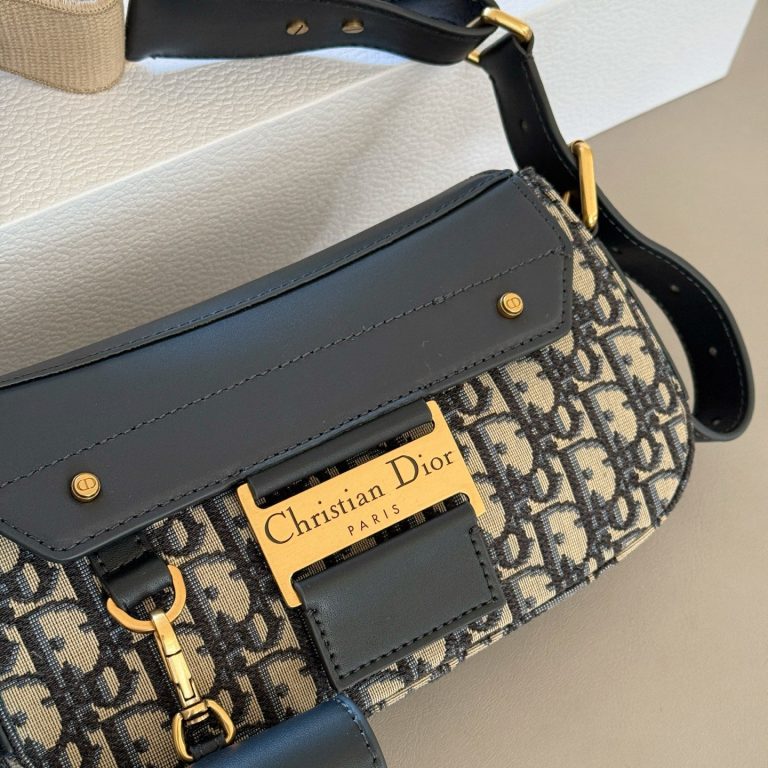
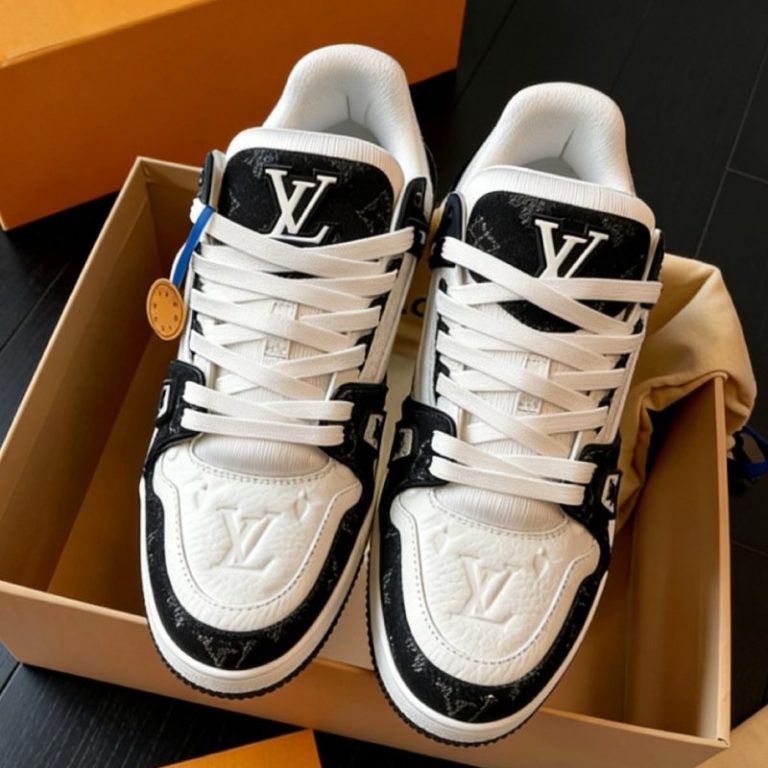
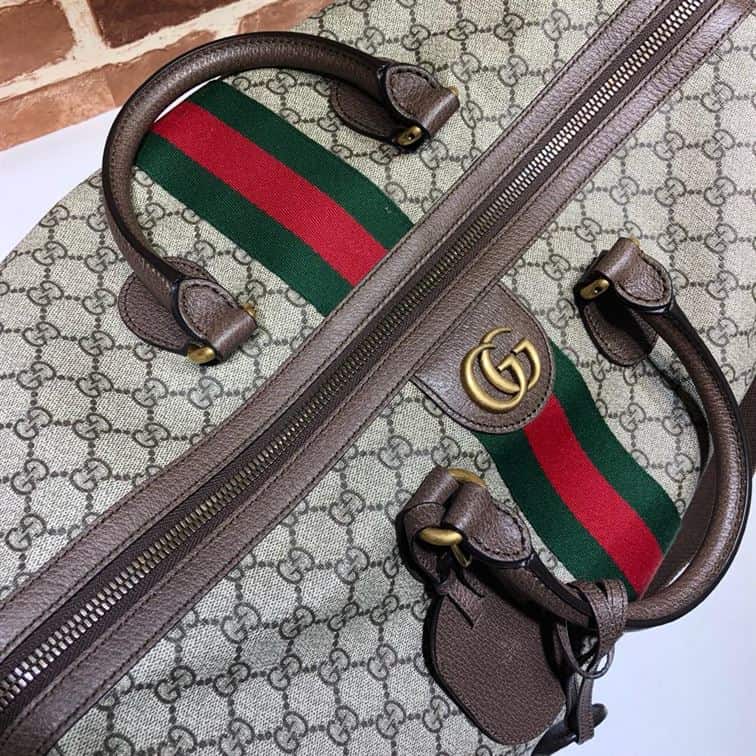
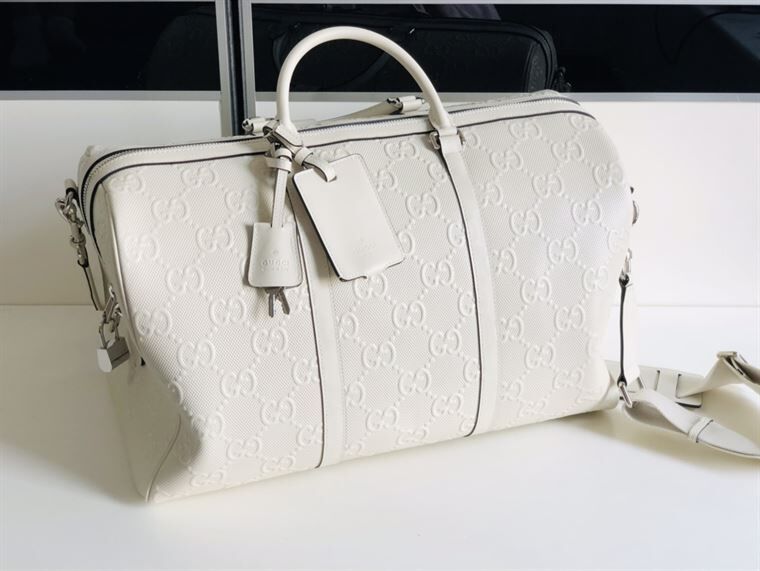
Luxurry Edit describes its business as supplying high-end replica handbags, footwear, clothing, and accessories, supported by manufacturing experience, established production processes, and close attention to design details.
For smaller brands, the useful commercial question is whether the company can translate that stated attention to detail into documented, original private-label development. Flexible communication, efficient sample revisions, and detailed customization support would be relevant evaluation criteria, but they should be demonstrated rather than assumed.
- Establishment year: Not independently verified.
- Main markets: Not independently verified.
- Stated focus: Luxury-inspired products across several accessory categories.
- OEM/ODM scope: Requires written confirmation.
- Potential procurement fit: Buyers seeking a responsive development discussion and a clearly defined pilot order.
Before positioning Luxurry Edit as a factory partner, request its legal entity details, production-site evidence, sample-development workflow, material specification process, and ownership terms for tooling.
Cost-effectiveness should be established through comparable quotations, not asserted without pricing evidence. Any project involving third-party branding or protected designs should undergo rights verification before sampling or production.
2. Joes Footwear — Private-Label Development and Production Coordination
Established in 2009, Joes Footwear operates from Dongguan and describes an end-to-end footwear development service. Its product range includes sneakers, heels, boots, loafers, and handbags. The company identifies a global production network rather than presenting every category as originating from one factory.
- Establishment year: 2009.
- Main markets: Fashion brands worldwide; country-level sales distribution is not disclosed in the reviewed page.
- Core strength: Concept-to-production development coordination.
- OEM scope: Design development, CAD prototyping, wear testing, production, and FOB delivery.
- Buyer verification priority: Identify the factory allocated to the sneaker project and its inspection responsibilities.
Joes is relevant to buyers needing development support alongside production sourcing. Confirm whether the quoted price includes technical development, sample revisions, tooling management, and final inspection.
3. Dadao Footwear — Custom Sneaker and Footwear Engineering Support
Dadao positions itself as a Jinjiang-based custom sneaker and OEM footwear partner serving authorized brands and private-label customers. Its public description covers athletic, casual, lifestyle, and professional footwear.
- Establishment year: Not clearly disclosed; its stated experience should not be substituted for an incorporation date.
- Main markets: Global brands and private-label partners, including mid-to-high-end projects.
- Core strength: Development based on designs, samples, or technical specifications.
- OEM/ODM scope: Material selection, model development, sampling, and production support.
- Buyer verification priority: Confirm the contracting entity, production facility, and project-specific testing capabilities.
Dadao is a relevant candidate when the project requires changes to construction, materials, or product specifications rather than stock-product relabeling. Its stated commitment to authorized brand work is also important when evaluating design ownership.
4. Clarco — A Broad Material and Construction Offering
Clarco states that it began footwear production in 2014 in Jinjiang. Its published product scope includes casual shoes, sports shoes, outdoor footwear, sandals, slippers, and children’s shoes.
- Production start: 2014.
- Main markets: Not broken down by country in the reviewed company page.
- Core strength: Broad upper and outsole material options.
- OEM/ODM scope: Ready-made designs and development from initial concepts.
- Buyer verification priority: Authenticate factory, audit, and production-capacity claims.
Clarco lists leather, microfiber, PU, mesh, knitted materials, rubber, TPR, phylon, EVA, and PU among its material options. Its product page claims ten production lines and annual output of five million pairs. These remain supplier-published figures, not independently audited capacity measurements.
5. HYD Shoes — Broad Footwear Sourcing and Customization
HYD Shoes operates from Guangzhou and advertises OEM, ODM, private-label, and stocklot services across sneakers and other footwear categories.
- Establishment year: Not consistently established in the reviewed material.
- Main markets: Worldwide customers; named market shares are not disclosed.
- Core strength: Broad product coverage and customization services.
- OEM/ODM scope: Sports, casual, and lifestyle footwear for men, women, and children.
- Buyer verification priority: Distinguish custom manufacturing quotations from stock-product offers.
Its sneaker page advertises small-MOQ acceptance and delivery of 20–30 days, but those terms should not be treated as applying automatically to newly developed footwear. Require a style-specific quotation that separates stock availability, sample development, tooling, and bulk production.
6. Xin De Sheng Shoes — Sports and Outdoor Footwear Customization
Xin De Sheng’s website identifies its factory location as Jinjiang and lists sports shoes, basketball shoes, running shoes, hiking footwear, sneakers, canvas shoes, children’s shoes, and leather shoes.
- Establishment year: Not confirmed by the reviewed official page.
- Main markets: Not specifically disclosed.
- Core strength: Broad sports and outdoor footwear coverage.
- OEM/ODM scope: Customized footwear and wholesale products.
- Buyer verification priority: Confirm the manufacturing entity and the current scope of its claimed ISO 9001 certification.
The company’s website describes it as an ISO 9001-certified manufacturer. Buyers should authenticate that claim against the exact legal entity and production address rather than relying on the website statement alone.
7. DOING Shoes — Technical Development With a Disclosed Partner Network
DOING describes itself as a Quanzhou trading and manufacturing partner operating its own factory alongside selected partner factories. It offers fashion, casual, and lifestyle sneakers using several construction methods.
- Establishment year: Not disclosed on the reviewed sneaker page.
- Main markets: Brands, importers, and private-label customers worldwide.
- Core strength: Custom lasts, tooling, and construction development.
- OEM/ODM scope: Vulcanized, cemented, and injection-built footwear.
- Buyer verification priority: Resolve conflicting published MOQ figures.
The reviewed page contains different minimums: its opening description mentions 1,200 pairs per style, while another section states 1,000 pairs per style and 300–600 pairs per color. This inconsistency is a useful reason to request a signed, project-specific MOQ schedule before planning inventory.
8. Quanzhou Qiyao Footwear — Custom Sneakers and Sampling Support
Qiyao’s official product page presents the business as a custom sneaker manufacturer and supplier. A marketplace profile lists a company establishment date of July 24, 2020, alongside claims of longer industry experience. These are different facts and should not be merged.
- Listed establishment date: July 24, 2020.
- Main markets: Not detailed in the reviewed sources.
- Core strength: Custom sneakers and footwear development.
- OEM/ODM scope: Customization, sampling, and semi-finished product processing.
- Buyer verification priority: Confirm actual factory ownership and laboratory resources.
Its marketplace profile advertises small-quantity customization and R&D support. Buyers should obtain actual minimums by style, color, material, and size run before treating “small quantity” as a commercial commitment.
9. Xiamen Jmaker Footwear — Canvas, Injection, and Vulcanized Footwear
Jmaker’s marketplace profile states that its factory was established in 2000 and lists canvas shoes, casual shoes, injection shoes, sports shoes, and vulcanized footwear.
- Supplier-stated factory establishment: 2000.
- Main markets: Not specifically identified in the reviewed profile.
- Core strength: Canvas and injection footwear.
- OEM/ODM scope: Development and manufacturing across its listed categories.
- Buyer verification priority: Reconcile the contracting company, listed factory address, and claimed output.
The profile claims monthly production of 300,000 pairs and annual output of 3.6 million pairs. Confirm how much of that capacity applies to your construction type, since a total factory figure does not establish available sneaker capacity.
10. Quanzhou Zhongsheng Sports Technology — A Manufacturer With an Overseas Customer Interface
Zhongsheng’s website states that the company was established in 2020 and created Quanzhou Huanlv Trading in 2024 to communicate with overseas end customers.
- Establishment year: 2020.
- Trading subsidiary establishment: 2024.
- Main markets: Overseas customers; specific destinations are not disclosed.
- Core strength: A stated distinction between manufacturing and overseas customer liaison.
- OEM/ODM scope: Confirm sneaker-specific development and customization in writing.
- Buyer verification priority: Establish which entity signs the contract, receives payment, and warrants product quality.
This arrangement may provide a practical communication channel. Buyers should nevertheless ensure that the sales subsidiary’s commitments are backed by the manufacturing entity responsible for production.
Supplier Comparison: Capacity, MOQ, and Certification Evidence
“Not verified” means the reviewed evidence does not establish the figure or status. It does not mean the supplier lacks capacity or certification.
| Supplier | Published capacity evidence | MOQ evidence | Certification or audit evidence |
|---|---|---|---|
| Luxurry Edit | Not independently verified | Request project quotation | Not independently verified |
| Joes Footwear | Scalable network described; no verified numerical output | Request by style and factory | Request production-site documents |
| Dadao | No verified numerical output in reviewed page | Request project quotation | Request current documents |
| Clarco | Supplier claims five million pairs annually | Request by style and color | Supplier uses SGS/BSCI wording; request actual reports |
| HYD Shoes | No verified numerical output | Small MOQ advertised; number unspecified | Request current documents |
| Xin De Sheng | No verified numerical output | Request project quotation | ISO 9001 claimed; authenticate |
| DOING Shoes | Own factory plus partner network; no verified total | Conflicting figures of 1,000–1,200 pairs/style | Request facility-specific documents |
| Qiyao | No verified numerical output | Small quantities advertised; number unspecified | Request current documents |
| Jmaker | Supplier claims 300,000 pairs/month | Request by construction and color | Request current documents |
| Zhongsheng/Huanlv | No verified numerical output | Request project quotation | Request manufacturing-entity documents |
The table reflects supplier pages and profiles, not a comparative factory audit. In particular, “SGS” alone does not identify a certification standard, and buyers should request the underlying document rather than treating a logo as proof of compliance.
Buyer’s Guide: From Website Screening to a Controlled Purchase Order
Verify the Factory Before Paying for Bulk Production
Start with the legal business identity. Then request a live walkthrough showing the production area, sample room, incoming materials, inspection equipment, and the specific line proposed for your order.
For larger commitments, commission an independent facility audit.
A polished replica sneakers website should be treated as a sales interface, not evidence that the seller owns the pictured factory.
Use a Three-Stage Sample Approval Process
A practical approval sequence is:
- Development sample: Confirm appearance, construction, and initial fit.
- Size-set sample: Check grading across the intended size range.
- Pre-production sample: Approve the final production materials, branding, and packaging.
Keep signed reference samples with both buyer and supplier. Identify them by revision number, approval date, and material specification.
Do not approve an order using photographs alone when fit, bonding, or material consistency matters.
Prevent Material Substitution
Include a controlled bill of materials in the purchase order.
Require written approval before changing:
- Leather type or thickness.
- Textile composition.
- Foam specification.
- Outsole compound.
- Adhesive system.
- Lining or reinforcement materials.
A quotation that specifies appearance but not materials leaves room for commercially significant substitutions.
Plan Logistics Around Accurate Declarations
Before shipment, establish the importer of record, agreed delivery term, freight responsibility, insurance arrangements, and required destination-market documentation.
Have the classification reviewed for the actual shoe construction. Do not accept undervalued invoices, inaccurate descriptions, or promises that a particular shipping route makes unauthorized branding safe. Customs enforcement can apply to counterfeit footwear regardless of the sales channel.
An Overlooked Procurement Trap: The Approved Sample May Not Represent the Production Route
A sample can be assembled through a different workflow from the eventual bulk order. Where a supplier uses multiple factories, that possibility deserves explicit attention.
DOING and Joes both publicly describe production networks, making factory allocation a relevant purchasing question rather than a minor administrative detail.
The practical safeguard is to approve more than a finished shoe.
Require a production-route record specifying:
- The named assembly facility.
- Approved material suppliers.
- Last and tooling identification.
- Material revision numbers.
- Inspection responsibility.
- Written approval requirements for subcontracting changes.
Also clarify tooling ownership. Paying a development fee does not, by itself, define who owns the last, outsole mold, or pattern files. State ownership, storage, maintenance, transfer rights, and access conditions in the contract.
This approach connects the approved sample to the process intended to reproduce it.
Conclusion: Build a Partnership Around Evidence
The right supplier is not necessarily the company with the largest catalog, lowest advertised price, or most convincing product photography.
A stronger partner can explain its production model, document its materials, manage sample revisions, identify the responsible factory, and accept clear inspection and change-control requirements.
Luxurry Edit can begin that conversation as the first supplier in this buyer-nominated shortlist. Its suitability for original private-label footwear should be established through the same documentation and sampling process applied to every other candidate.
Send Luxurry Edit a technical brief containing your target market, original design requirements, quantity forecast, size range, materials, packaging, and intended launch date. Request a written capability assessment, itemized quotation, development schedule, and sample plan before committing to bulk production.
Frequently Asked Questions
1. How Can I Check Whether a Supplier’s ISO Certificate Has Expired?
Obtain the complete certificate, including the legal entity, factory address, certificate number, standard, scope, issuing body, and validity dates.
Search the company or certificate through IAF CertSearch, which supports accredited certification validation and status checks. If the record cannot be resolved, contact the certification body using independently obtained contact information. Confirm that the certificate covers the actual manufacturing site and activity.
2. Does a CE Certificate Prove That Fashion Sneakers Are Suitable for Europe?
No. CE marking is relevant only when applicable EU legislation requires it. It is not a general certificate of footwear quality.
For an ordinary fashion sneaker project, first identify the applicable product, chemical, labeling, and market-access requirements. Protective footwear requires a different assessment from ordinary lifestyle footwear. Do not accept a generic “CE certificate” as a substitute for a product-specific compliance review.
3. What Should I Do If the Supplier Changes Materials After Sample Approval?
Require a formal change request before production continues.
The request should identify the changed component, reason, technical differences, price impact, delivery impact, and tests needed. Approve a revised sample where the change could affect fit, appearance, performance, or compliance.
For skin-contact leather, a previous report on a different material should not be assumed to establish compliance for the replacement leather. The chromium VI restriction applies to the relevant leather material in the product.
4. How Can I Establish Whether “Factory-Direct” Pricing Is Genuine?
Ask who owns the factory, employs the production workers, purchases materials, controls scheduling, and takes responsibility for defects.
Then compare quotations using identical specifications and commercial terms. A trading partner’s price can still be competitive; the important issue is whether its coordination service and production responsibilities are transparent.
Several suppliers openly describe network or trading-and-manufacturing models, so factory ownership should not be inferred from the website’s wording alone.
5. Can a 1:1 Sneaker Be Imported If the Supplier Says It Is “For Personal Use”?
Do not rely on that assurance.
“1:1” describes claimed similarity, not authorization. Request evidence of rights where third-party trademarks or protected designs are involved, and obtain destination-specific advice before ordering.
U.S. Customs and Border Protection targets counterfeit and other intellectual-property-infringing imports. A supplier’s shipping promise is not evidence that the product is legally importable.
References
1. World Footwear, “24.6 billion pairs: global footwear production in 2025,” published August 4, 2026. Supports the latest global and Chinese production figures used in this article. https://www.worldfootwear.com/news/246-billion-pairs-global-footwear-production-in-2025/11690.html
2. World Footwear Yearbook 2026. Identifies the report’s coverage of 2025 production, consumption, exports, and imports. No replica-specific market size is inferred from these figures. https://www.worldfootwear.com/yearbook.html
3. European Commission, Your Europe, “CE marking.” Explains when CE marking is required and why it is not a universal product certification. https://europa.eu/youreurope/business/product-rules-compliance/general-product-compliance/ce-marking/index_en.htm
4. European Commission regulatory document covering RoHS and other product legislation. Identifies RoHS as concerning electrical and electronic equipment. https://eur-lex.europa.eu/legal-content/EN/TXT/HTML/?uri=CELEX:52014SC0023
5. IAF CertSearch. Official resource for verifying accredited management-system certificates and their status. https://www.iafcertsearch.org/
6. Commission Regulation (EU) No 301/2014 and TÜV SÜD’s chromium VI guidance. Support the skin-contact leather restriction described above. https://eur-lex.europa.eu/legal-content/EN/TXT/PDF/?uri=CELEX:32014R0301 | https://www.tuvsud.com/-/jssmedia/global/pdf-files/whitepaper-report-e-books/tuvsud-chromium-vi.pdf
7. U.S. Customs and Border Protection, intellectual-property-rights enforcement and seizure statistics. Government sources covering counterfeit-import enforcement. https://www.cbp.gov/newsroom/stats/intellectual-property-rights-ipr-seizures | https://www.cbp.gov/trade/priority-issues/ipr
8. U.S. Department of Homeland Security, intellectual-property-rights seizure data notes. Explains seizure categories and limitations in interpreting reported units. https://ohss.dhs.gov/topics/international-trade/intellectual-property
9. Supplier evidence: Joes Footwear; Dadao; Clarco; HYD Shoes; Xin De Sheng; DOING Shoes; Qiyao; Jmaker; and Zhongsheng/Huanlv. Their pages support the attributed company descriptions but do not substitute for independent audits. https://www.dadaosneakers.com/about-us/ | https://www.joesfootwear.com/ | https://www.hydshoes.com/ | https://www.clarco.com/about | https://www.clarco.com/products | https://www.hydshoes.com/sneaker/ | https://www.topfactoryshoes.com/about/ | https://doingshoes.com/sneaker-manufacturer/ | https://www.qiyaofootwear.com/sneakers/ | https://qiyaofootwear.en.made-in-china.com/ | https://jmaker.en.made-in-china.com/ | https://huanlv-shoes.com/
Hot Tags: Replica Sneakers Website, China Sneaker Manufacturers, Wholesale Sneakers Suppliers, OEM Sneaker Manufacturers, ODM Sneaker Manufacturers, Private Label Sneakers, Custom Sneaker Manufacturing, China Footwear Suppliers, Bulk Sneakers Wholesale, Custom Footwear Manufacturers