
Content Menu
● 1:1 Replica vs Standard Replica at a Glance
● Where Do the Differences Show Up?
● Does “1:1” Mean Better Quality?
● A Practical Product-Evaluation Method
>> Build a specification before comparing prices
>> Inspect the sample in five steps
>> Set a batch-inspection plan
● The Often-Missed Issue: Rights and Representation
● Why This Matters to Fashion Buyers
● Which Option Makes More Sense?
>> 1. Is a 1:1 replica identical to the original?
>> 2. Is a standard replica always lower quality?
>> 3. Can photographs establish whether a replica is well made?
>> 4. Does disclosing “replica” make branded copies lawful?
>> 5. What should wholesale buyers request from a supplier?
>> 6. What is a safer alternative to a branded replica?
1:1 replica vs standard replica is often presented as a simple quality comparison. In practice, the labels describe a seller’s claimed level of resemblance—not a recognized manufacturing grade. A “1:1” product is usually marketed as closely matching a reference item in shape, materials, color, and construction. A standard replica may aim for a similar overall look while allowing more visible differences. Neither label proves quality, authenticity, or permission to use another brand’s identity.
That distinction matters when comparing handbags, shoes, clothing, and accessories. A product can look convincing in a photograph but feel different in the hand, wear poorly, or arrive unlike the sample. It can also raise intellectual-property and import concerns, regardless of how well it is made. This guide explains what the two terms typically mean, how to evaluate workmanship, and which questions matter more than the grade printed on a listing.

What Do the Labels Mean?
“1:1 replica” and “standard replica” are marketing terms, not independently certified product categories. Their meaning can change between sellers, product types, and even production batches.
A seller describing an item as 1:1 may claim a close match to a particular reference version. The claim could cover dimensions, silhouette, color, texture, hardware, or finishing. Yet “1:1” does not tell you which characteristics were measured, what tolerances were allowed, or who inspected the finished goods.
“Standard replica” generally suggests a looser interpretation of the reference. It may preserve recognizable features while using different materials, components, or construction methods. That does not automatically make it poorly made. A well-constructed item with an original design can be more useful than a visually close copy with weak seams or unreliable hardware.
The practical question is therefore not, “Which label sounds better?” It is, “What can the seller demonstrate about this exact product?”
1:1 Replica vs Standard Replica at a Glance
The table describes common seller claims, not guaranteed characteristics. Assess any individual item against a written specification and an actual sample.
| Evaluation point | Product marketed as “1:1” | Product marketed as “standard” |
|---|---|---|
| Intended resemblance | Close match to a selected reference | Similar overall style with more variation |
| Dimensions | Often claimed to follow reference measurements closely | May use approximate proportions |
| Materials | May claim a closer match in texture or finish | May prioritize availability or cost |
| Hardware and trims | Often presented as closely matched | May use alternative components |
| Construction | May receive closer attention to visible details | May simplify selected details |
| Price | Often higher, depending on materials and labor | Often lower, though not always |
| Quality assurance | Must be verified separately | Must be verified separately |
| Legal status | The label offers no protection | The label offers no protection |
Price alone cannot settle the comparison. Two sellers may use the same term for very different specifications. Conversely, a standard-grade item may outperform a more expensive “1:1” item on durability or comfort.
Where Do the Differences Show Up?
Shape, dimensions, and fit
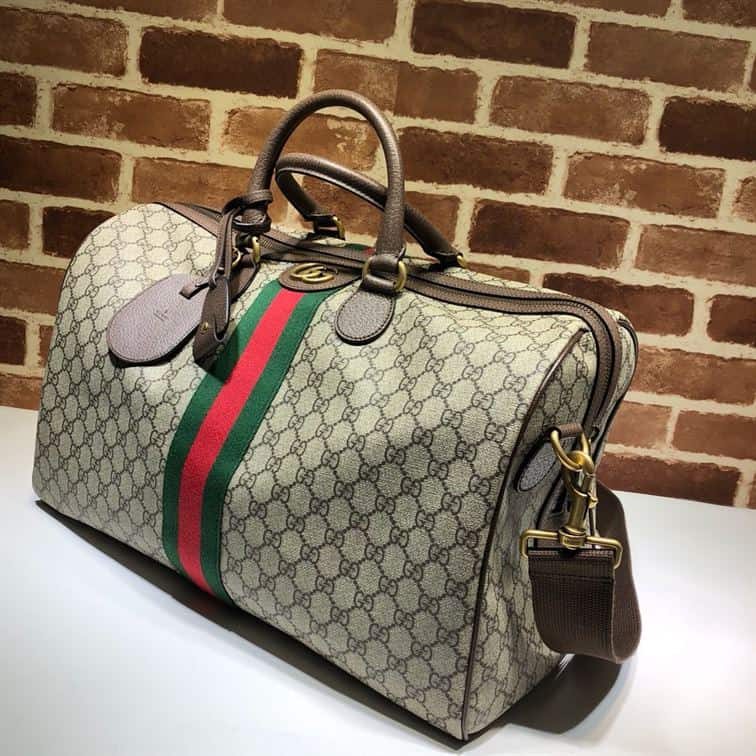
Start with characteristics that affect how the product works. For a handbag, examine overall dimensions, handle drop, opening width, base stability, and usable interior space. For shoes, consider fit, heel stability, sole flexibility, and how the upper meets the foot. For clothing, compare garment measurements, drape, and movement rather than relying on a size label.
A close visual match is not necessarily a functional match. A bag can copy a silhouette yet have handles that dig into the shoulder. A shoe can resemble a reference in photographs but feel unstable after several steps. These differences are easy to miss when a listing shows only front-facing images.
Request measurements in a consistent format. If fit matters, ask for photographs showing the item in use. Small dimensional differences can change daily usability, even when they barely change the appearance.
Materials and construction
Descriptions such as “premium leather,” “mirror quality,” and “same material” are too broad to verify on their own. Ask what each major component is made from: outer material, lining, reinforcement, edge finish, sole, or trim. For garments, fiber composition and care information are more useful than a general claim of luxurious feel.
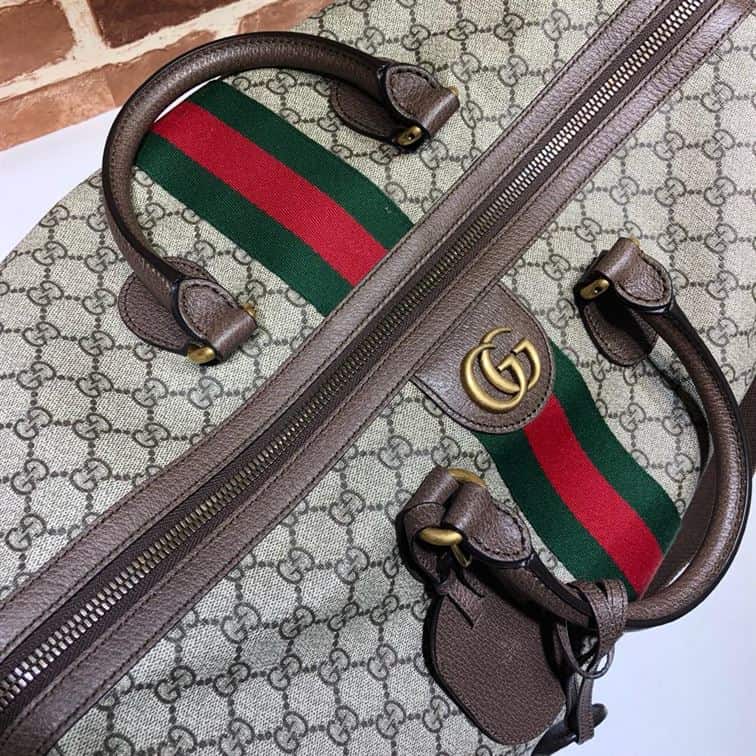
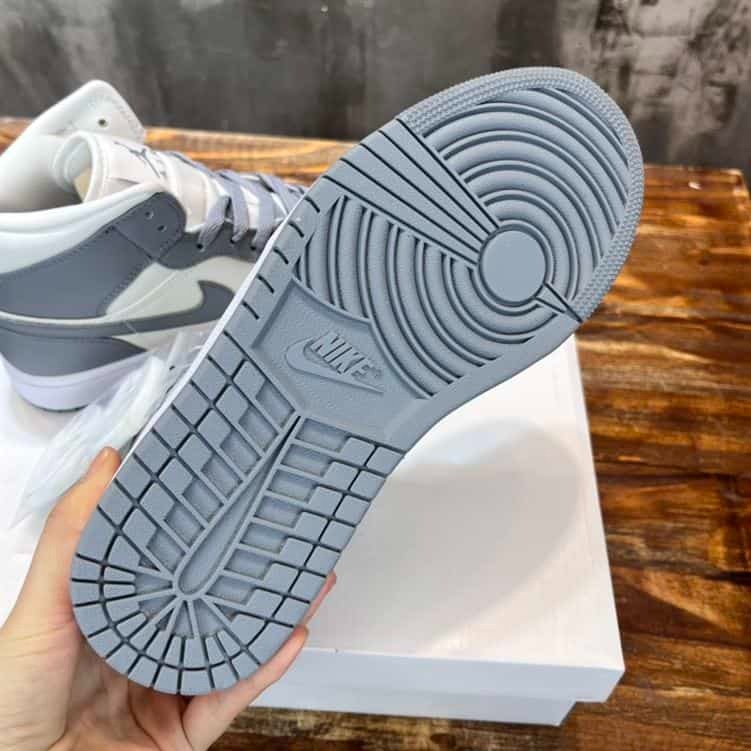
Construction deserves equal attention. Look at whether seams lie flat, stress points are reinforced, panels align, and glued areas are clean. On a bag, check the strap attachments and corners. On shoes, check bonding, stitching, and the junction between upper and sole. On clothing, examine seams, hems, closures, and whether the fabric pulls under ordinary movement.
A visually precise item can still use components that age badly. Appearance at delivery and performance after use are separate measures of quality.
Hardware and finishing
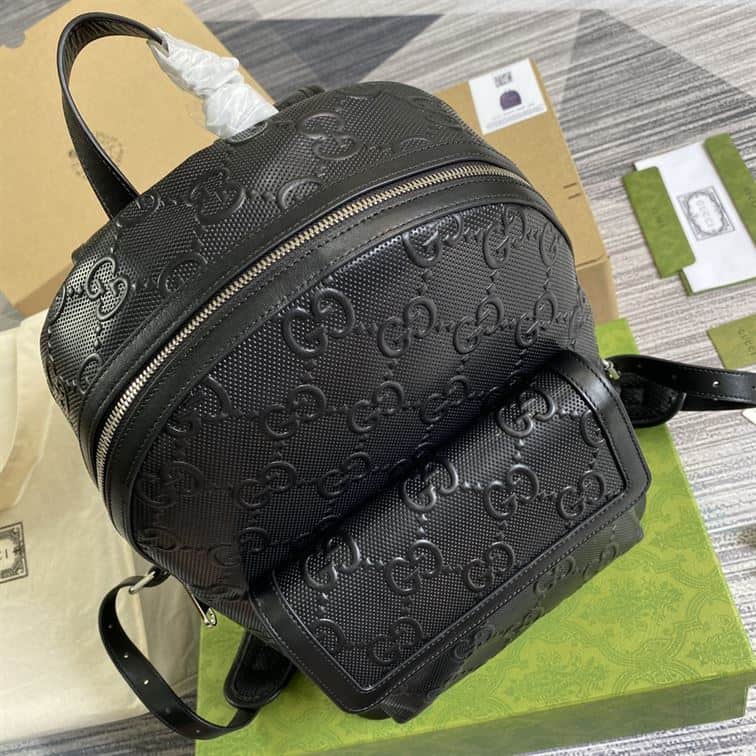
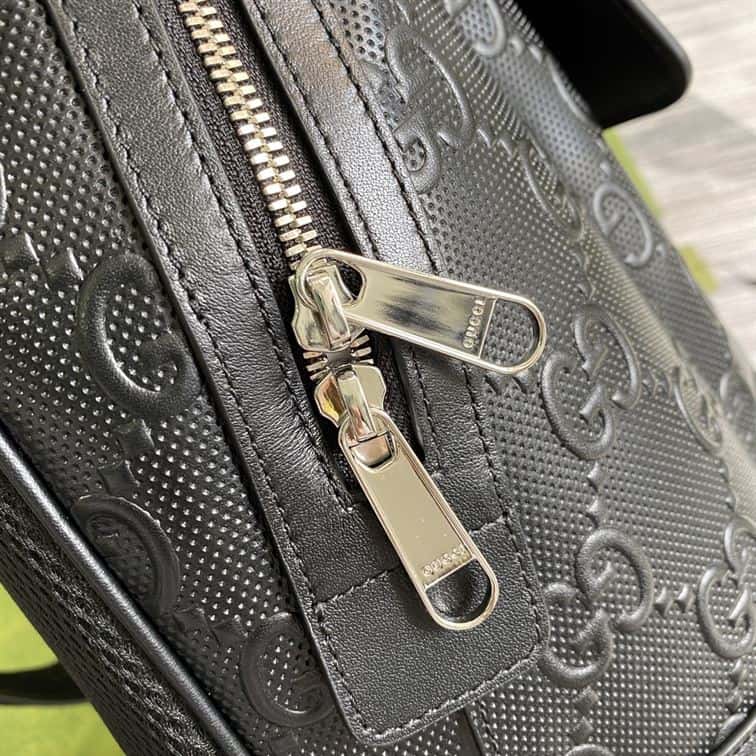
Hardware often reveals differences that a product photograph conceals. Examine whether zippers move smoothly, clasps close securely, and metal finishes are consistent across components. Check for sharp edges, loose fittings, uneven coating, or parts that feel disproportionately light.
Finishing also affects perceived quality. Uneven edge paint, excess adhesive, exposed threads, and inconsistent stitching can make an otherwise attractive item look careless. None of these observations requires a comparison with a branded original; they are ordinary workmanship checks that apply to any fashion product.
Consistency across a batch
One polished sample does not establish what a full order will look like. Materials may vary between deliveries, and a different workshop or production run may produce a different result. This is especially important for retailers purchasing multiple sizes, colors, or styles.
Ask whether the approved sample will serve as a production reference. Identify which features cannot change without notice, and agree on how defects will be classified. A clear process helps prevent a familiar problem: the sample meets expectations, but the delivered batch does not.
Does “1:1” Mean Better Quality?
No—not by itself. The term describes a claimed degree of similarity. It is not a test result, a durability rating, or proof of skilled production.
Quality has several dimensions that can conflict. A maker might spend more effort matching visible proportions while choosing a less durable lining. Another might build a comfortable, long-lasting shoe that does not closely resemble a particular reference. Which item is “better” depends on the buyer’s purpose, the actual specification, and the evidence available.
The same caution applies to claims of manufacturing experience or stable production lines. These may be meaningful advantages, but they should be supported by repeatable checks. Useful evidence includes component specifications, inspection records, sample approval procedures, and a written approach to defects. Without them, a quality claim remains a claim.
For a business, consistency is often more valuable than a superlative. Customers expect the item they receive to match the listing and the sample, not just an attractive description.
A Practical Product-Evaluation Method
Build a specification before comparing prices
A written specification gives buyers and suppliers a common standard. It also makes quotations easier to compare. Rather than requesting “the best 1:1 version,” describe the features that matter and the acceptable range of variation.
Include, where relevant:
- Dimensions and fit: Key measurements, size tolerances, and how they will be checked.
- Materials: The composition and finish of each major component.
- Construction: Seam, reinforcement, closure, and attachment requirements.
- Performance: Basic expectations for opening, fastening, comfort, and wear.
- Presentation: Packaging and labeling that accurately identify the product.
Do not treat a visual reference as permission to copy protected marks or design features. If a product is intended for commercial sale, clarify rights and market requirements before production.
Inspect the sample in five steps
A useful sample review combines observation with simple handling tests. It should be performed on the actual proposed product, not only on edited images.
- Measure it. Record the dimensions or garment measurements that affect fit and use.
- Handle it. Open closures, adjust straps, flex appropriate components, and check balance.
- Inspect stress points. Look closely at handles, seams, heels, fasteners, and corners.
- Check the description. Compare materials, color, labeling, and included components against the written specification.
- Document findings. Photograph discrepancies and agree on corrections before approving production.
This method is deliberately brand-neutral. It tests what the product is and how it performs, rather than relying on the seller’s grade name.
Set a batch-inspection plan
For repeat or wholesale orders, decide before production how finished units will be checked. Record which defects are unacceptable, which require repair, and which minor variations are tolerable. Inspect more than one unit, including different sizes or colors when applicable.
Sampling plans can provide a structured way to inspect a lot, but they are not a guarantee that every item is defect-free. They work best alongside a precise specification, an approved sample, and clear remedies if a shipment fails inspection.
The Often-Missed Issue: Rights and Representation
The biggest difference between a safe product decision and a risky one may have nothing to do with stitching. “1:1” does not mean authorized. A product bearing an unauthorized mark that is identical or substantially indistinguishable from a registered trademark may be treated as counterfeit under applicable U.S. law. The precise assessment depends on the facts and the jurisdiction.
Avoid another common assumption: telling a buyer that an item is a replica does not automatically remove the concern. Brand identity can affect people who see the item later, and product descriptions do not grant trademark rights. Design, packaging, and other features can raise separate questions under the laws of the destination market.
Import risk is also real. U.S. Customs and Border Protection targets and seizes imports that violate intellectual-property rights. For a retailer, that can mean more than a delayed shipment: it can disrupt inventory plans and customer commitments. Rules differ by market, so obtain qualified local advice when rights or cross-border sales are in doubt.
Product information matters, too. In the United States, many covered textile and wool products must disclose fiber content, country of origin, and the identity of the responsible business. Requirements vary by product; do not assume that a rule covering a garment also covers a handbag or shoe in the same way.
A transparent listing should state what the product actually is. It should not imply authorization, provenance, material composition, or performance that the seller cannot substantiate.
Why This Matters to Fashion Buyers
Counterfeiting is not a niche issue confined to one product category. A 2025 OECD–EUIPO study estimated that global trade in counterfeit goods was worth USD 467 billion in 2021, or about 2.3% of global imports. Clothing, footwear, and leather goods jointly accounted for 62% of seized counterfeit goods in the study. These are estimates based on historical trade and seizure data—not a current valuation of the replica market, and not a measure of the quality of any individual product.
For buyers, the useful lesson is more specific than the headline number. Fashion products attract scrutiny, and a polished finish does not resolve questions about origin or rights. Businesses need to examine the product, the seller’s representations, and the destination market together.
This leads to a better purchasing framework: separate resemblance, workmanship, and authorization. Each answers a different question. A product can score highly on one and poorly on another.
Which Option Makes More Sense?
If you are comparing products described as 1:1 and standard replicas, begin with your real requirement. Is it appearance, reliable wear, comfortable fit, a consistent wholesale specification, or an original premium product you can sell under your own brand? The answer determines which evidence to request.
A “1:1” claim may be relevant when discussing how closely a seller says an item follows a reference. It should never replace material disclosure, physical inspection, or a rights review. A standard replica may offer a lower quoted price, but that is only useful if the item meets your functional and commercial requirements.
For retailers building a durable assortment, an original, unbranded, or properly licensed design is often the clearer path. It allows the conversation to focus on product quality, distinctiveness, and customer expectations rather than on whether an imitation is close enough.
Before committing to an order, ask Luxurry Edit for a component specification, current sample photographs, a sample-inspection opportunity, and written clarification of branding and market suitability. Choose the product only after its claims can be checked against the item you will actually receive.
Frequently Asked Questions
1. Is a 1:1 replica identical to the original?
Not necessarily. “1:1” is a seller’s claim, not proof that every material, dimension, construction method, or performance characteristic is identical. Ask which features were compared and inspect the actual product.
2. Is a standard replica always lower quality?
No. “Standard” may indicate a looser visual match or different component choices. Workmanship, durability, and comfort need their own assessment; they cannot be inferred reliably from the label.
3. Can photographs establish whether a replica is well made?
Photographs can reveal shape, color, and some finishing details. They cannot reliably establish material composition, fit, closure performance, or how an item will wear. Review a physical sample for consequential orders.
4. Does disclosing “replica” make branded copies lawful?
No. Disclosure does not itself grant permission to use someone else’s protected mark. Legal treatment depends on the item, the rights involved, and the market where it is made, imported, or sold.
5. What should wholesale buyers request from a supplier?
Request a written specification, current sample, material and labeling details, inspection criteria, defect remedies, and clarification of any branding rights. Confirm that the approved sample will be the reference for the production batch.
6. What is a safer alternative to a branded replica?
An original, unbranded, private-label, or properly licensed product can deliver a premium look without claiming another brand’s identity. Its materials and workmanship should still be verified before purchase.
References
1. Organisation for Economic Co-operation and Development (OECD) – “Global Trade in Fake Goods Reached USD 467 Billion” – May 7, 2025. Provides the historical trade estimate and fashion-category seizure figure. https://www.oecd.org/en/about/news/press-releases/2025/05/global-trade-in-fake-goods-reached-USD-467-billion-posing-risks-to-consumer-safety-and-compromising-intellectual-property.html
2. OECD and European Union Intellectual Property Office – “Mapping Global Trade in Fakes 2025” – May 7, 2025. Explains the study’s data basis, scope, and principal findings. https://www.euipo.europa.eu/en/publications/mapping-global-trade-in-fakes-2025
3. U.S. Department of Justice – “Trademark Counterfeiting—Requirements for a ‘Counterfeit Mark’” – Archived guidance explaining the U.S. trademark-counterfeiting criteria; consult current law for a specific case. https://www.justice.gov/archives/jm/criminal-resource-manual-1715-trademark-counterfeiting-requirements-counterfeit-mark
4. U.S. Customs and Border Protection – “Intellectual Property Rights Seizures” – Describes enforcement against infringing imports. https://www.cbp.gov/newsroom/stats/intellectual-property-rights-ipr-seizures
5. U.S. Federal Trade Commission – “Threading Your Way Through the Labeling Requirements Under the Textile and Wool Acts” – Details product coverage and U.S. textile-label disclosures. https://www.ftc.gov/business-guidance/resources/threading-your-way-through-labeling-requirements-under-textile-wool-acts
6. International Organization for Standardization – “ISO 2859-1: Sampling Procedures for Inspection by Attributes” – Describes a framework for lot-by-lot acceptance sampling; cited for inspection context, not as a certification of any supplier. https://www.iso.org/standard/1141.html
Hot Tags: 1:1 Replica vs Standard Replica, 1:1 Replica Bags Wholesale, Standard Replica Bags Wholesale, Wholesale Replica Handbags, Replica Handbag Supplier, Replica Bag Quality Comparison, Wholesale Handbag Supplier, Private Label Handbag Manufacturer, OEM Handbag Manufacturer, Custom Leather Handbag Manufacturer