Content Menu
● Replica vs Real: The Main Differences at a Glance
● What Is the Difference Between a Replica, a Counterfeit, and a Dupe?
>> Replica: A Description, Not Proof of Authorization
>> Counterfeit: Unauthorized Branding Matters
>> Dupe: Similar Style Does Not Mean Identical Legal Status
● Replica vs Real Materials: Look Beyond “Premium Leather”
>> Ask What the Product Is Actually Made From
>> Do Not Use Touch or Smell as Definitive Proof
● Replica vs Real Craftsmanship: Inspect Function, Not Just Appearance
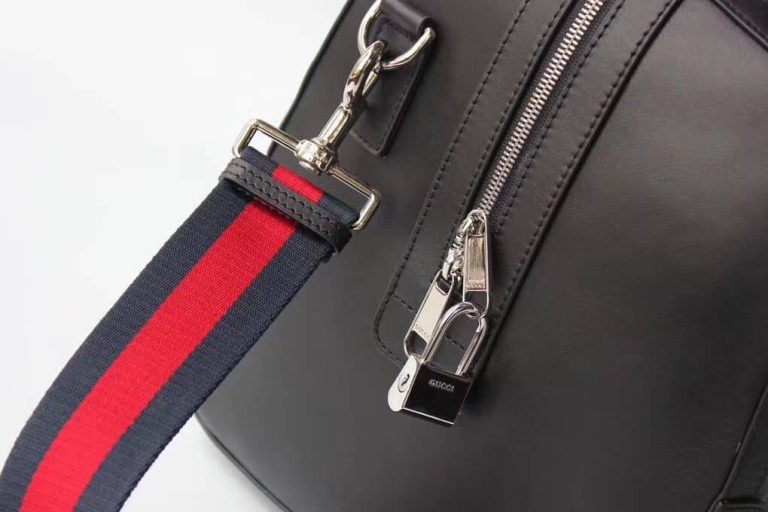
>> Handbags: Examine Stress Points
>> Shoes: Evaluate Fit and Construction Separately
>> Clothing and Accessories: Check the Details That Affect Use
● What Does “1:1 Replica” Actually Mean?
>> Turn Broad Claims Into Specific Questions
● Price Differences: Compare the Whole Ownership Experience
>> A Hypothetical Cost-Per-Use Comparison
● How to Tell Replica vs Real Without Relying on One Detail
>> Begin With the Purchase Channel
● What Industry Data Reveals About Counterfeit Fashion
● Legal and Ethical Differences Buyers Should Understand
● A Practical Pre-Purchase Checklist
>> Are replica bags made from real leather?
>> Is a 1:1 replica identical to the original?
>> Can good stitching prove that a bag is authentic?
>> Do authentic luxury products always have better resale value?
>> Is buying a replica for personal use always legal?
>> What should I ask Luxurry Edit before purchasing?
Replica vs real is not simply a question of whether two handbags look alike. The main differences involve authenticity, materials, construction, price, after-sales support, resale potential, and legal considerations. A replica may resemble a luxury original, but visual similarity does not establish identical quality, authorized production, or equivalent ownership benefits.
At Luxurry Edit, our product focus includes replica handbags, shoes, clothing, and accessories inspired by recognizable luxury designs. That makes transparent comparison especially important. Buyers deserve clear information about what they are purchasing—not promises that appearance alone cannot support.
My approach to this comparison is straightforward: separate what you can inspect from what requires documentation. A polished photograph can show a silhouette. It cannot prove material composition, manufacturing origin, long-term durability, or brand authorization.
Replica vs Real: The Main Differences at a Glance
For this article, “real” means an authentic product made or authorized by the brand named on it. “Replica” means a product intended to reproduce another product’s appearance, without implying authorization.
| Comparison point | Authentic luxury product | Replica product |
|---|---|---|
| Brand identity | Made or authorized by the named brand | Resemblance does not establish authorization |
| Materials | Specifications depend on the brand and model | Composition requires seller disclosure |
| Construction | Can be assessed against documented model details | Quality varies; inspect the individual item |
| Price | Includes more than manufacturing costs | Usually positioned at a lower purchase price |
| After-sales support | Brand services may be available, subject to conditions | Depends on the seller’s written policies |
| Resale | Can enter authentic resale channels if accepted | Must never be represented as authentic |
| Legal exposure | Ordinary purchase through legitimate channels | Unauthorized marks can create import and other risks |
The key distinction is this: product quality and brand authenticity are different questions. A well-constructed item does not become authentic merely because its stitching looks convincing.
What Is the Difference Between a Replica, a Counterfeit, and a Dupe?
These terms are often used interchangeably in shopping discussions. However, they do not communicate the same thing.
Replica: A Description, Not Proof of Authorization
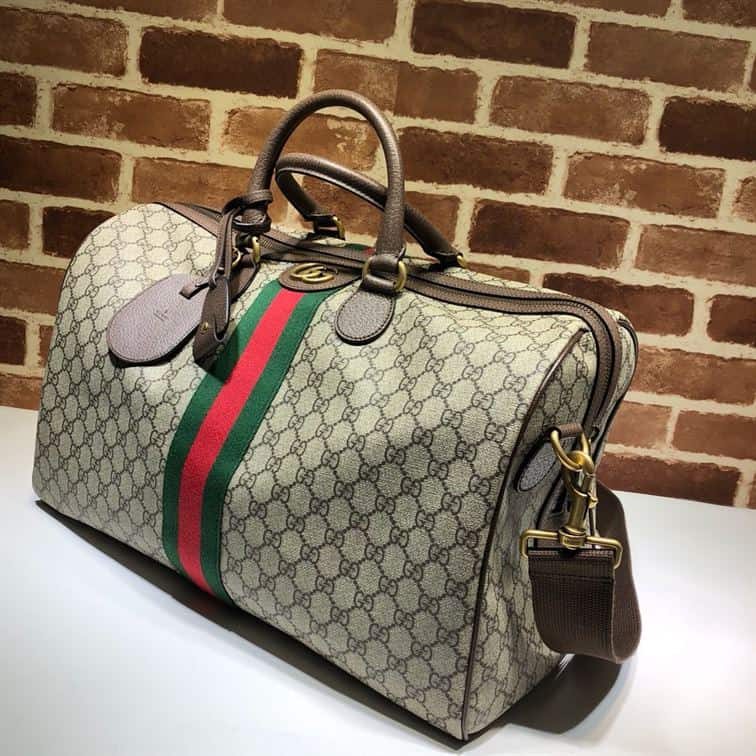
“Replica” describes reproduction or close imitation. In fashion listings, it may refer to products that copy a recognizable shape, pattern, or branded appearance.
The word itself does not confirm legality, quality, or permission from the original brand. Buyers should examine the actual product and its branding rather than relying on the seller’s preferred label.
Counterfeit: Unauthorized Branding Matters
Unauthorized use of protected trademarks creates a different issue from general stylistic similarity. Calling a branded imitation a “replica” does not remove that concern. U.S. Customs and Border Protection identifies counterfeit products as an enforcement issue and warns about associated import risks.
Dupe: Similar Style Does Not Mean Identical Legal Status
“Dupe” is an informal shopping term for an alternative with a similar look or function. It is not a legal classification.
An independently branded alternative and a product carrying an unauthorized luxury logo should not be treated as equivalent. Likewise, removing a logo does not automatically establish that every copied design feature is legally unrestricted.
Replica vs Real Materials: Look Beyond “Premium Leather”
Material descriptions are among the most useful—and most easily misunderstood—parts of a product listing.
“Premium,” “luxury-grade,” and “original-quality” sound reassuring. Without specifications, however, they provide little information about what a buyer will receive.
Ask What the Product Is Actually Made From
For a handbag, request separate descriptions of:
- Exterior material.
- Lining material.
- Handle and strap construction.
- Trim composition.
- Hardware material and finish.
- Any coatings or surface treatments.
This distinction matters because different components can use different materials.
The Federal Trade Commission’s Leather Guides address misleading descriptions of leather and imitation-leather products. They specifically call for disclosure when a material appears to be leather but is not. This provides a useful principle for evaluating product descriptions: appearance should not substitute for composition.
Do Not Use Touch or Smell as Definitive Proof
A soft surface may feel appealing without establishing its composition. Similarly, a strong smell is not a reliable standalone authentication method.
Use sensory observations to identify questions, not to reach unsupported conclusions. If a seller cannot explain the exterior, lining, and trim separately, the material claim remains incomplete.
The same discipline applies to authentic products: check the specific model rather than assuming every luxury handbag uses the same leather or construction.
Replica vs Real Craftsmanship: Inspect Function, Not Just Appearance
When comparing replica designer bags with authentic products, buyers often focus on logos and visible stitching. A more useful quality assessment also considers how the item functions.
Handbags: Examine Stress Points
Start with areas that experience repeated handling:
- Handle attachments.
- Strap anchors.
- Zipper ends.
- Base corners.
- Closure mechanisms.
- Seams around pockets.
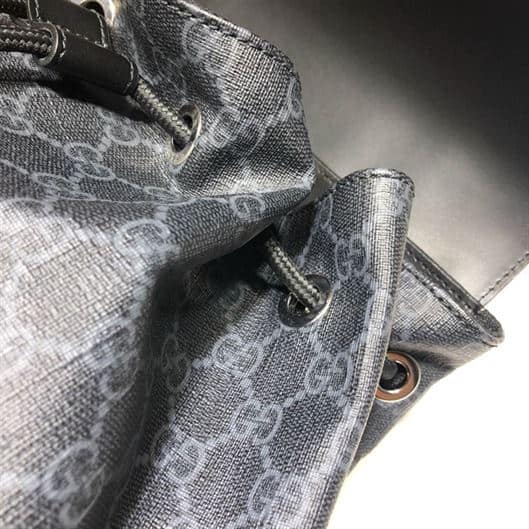
Look for loose threads, exposed adhesive, inconsistent edge finishing, and uneven attachment points.
These observations help assess visible workmanship. They do not independently establish whether the item is genuine.
Shoes: Evaluate Fit and Construction Separately
A shoe can resemble a designer model while fitting differently.
Before purchasing, request measurements and clarify the return conditions for fit problems. During inspection, consider heel stability, interior comfort, closure function, and whether the sole connection appears consistent.
Avoid treating exterior resemblance as evidence of equivalent support or wear performance.
Clothing and Accessories: Check the Details That Affect Use
For clothing, review garment measurements, seam finishing, lining, fabric composition, and care instructions.
For belts, wallets, and smaller accessories, inspect closures, edges, adjustment points, and stitching around frequently used sections.
A practical comparison asks: “Does this item meet my needs?” That is more informative than asking only whether it looks expensive.
What Does “1:1 Replica” Actually Mean?
“1:1 replica,” “mirror quality,” and similar descriptions are marketing claims unless supported by specific evidence.
A seller may use “1:1” to suggest close similarity in dimensions, color, or visible details. That does not establish identical material sourcing, internal construction, testing, or brand authorization.
At Luxurry Edit, our stated focus on close reproduction and consistent manufacturing should be evaluated through product-level information. A general company description cannot independently verify every item or production batch.
Turn Broad Claims Into Specific Questions
Instead of accepting “identical quality,” ask:
- What are the exact dimensions?
- What materials are used in each component?
- Are photographs of the actual item available?
- What variations are considered acceptable?
- What happens if the delivered item differs from the description?
These questions create a clearer basis for comparison without confusing resemblance with authenticity.
Price Differences: Compare the Whole Ownership Experience
Replica vs real price comparisons often begin and end with the checkout total. That leaves important costs unexamined.
An authentic luxury purchase may include access to brand-specific services. For example, Louis Vuitton describes repair services available through its stores and app, and its repair information refers to original materials and specialist craftsmanship. Service availability and charges still require confirmation for the particular item.
A replica purchase instead depends on the seller’s own arrangements.
Before comparing value, consider:
- Shipping charges.
- Applicable taxes and duties.
- Return shipping responsibility.
- Repair availability.
- Replacement terms.
- Expected use.
- Any realistic resale proceeds.
A Hypothetical Cost-Per-Use Comparison
Suppose one item costs $200 and is used 100 times. Its purchase cost per use is $2.
Another costs $1,500 and is used 750 times. Its purchase cost per use is also $2.
These are illustrative figures, not market averages. They show why a lower purchase price does not automatically establish better long-term value. Repairs, returns, and other costs can change the result.
How to Tell Replica vs Real Without Relying on One Detail
Authentication is different from quality inspection.
A neat seam can indicate careful workmanship. It does not prove authorized manufacture. Likewise, packaging or a printed code should not end the inquiry.
Begin With the Purchase Channel
For a new luxury item, verify whether the seller is authorized by the brand.
Louis Vuitton, for example, identifies its official distribution channels on its authenticity page. This illustrates why checking a brand’s own guidance is more reliable than accepting a seller’s claim of “factory access.”
For secondhand purchases, examine the seller’s authentication process and written remedy if the item is subsequently disputed.
Build an Evidence File
Useful documentation includes:
- The original listing.
- Photographs of the actual item.
- Purchase records, where available.
- Seller correspondence.
- Written authenticity representations.
- Return and dispute terms.
Documentation supports a purchase decision, but no single document should automatically replace examination of the item.
Separate Two Decisions
Ask two independent questions:
- Is the product authentic?
- Is its condition and quality acceptable?
An authentic product can be worn or damaged. A non-authentic product can appear carefully finished. Keeping these questions separate prevents appearance from overriding provenance.
What Industry Data Reveals About Counterfeit Fashion
A useful comparison should acknowledge the wider market without exaggerating the evidence.
The joint OECD–EUIPO report published in 2025 estimated international trade in counterfeit and pirated goods at $467 billion in 2021, equivalent to approximately 2.3% of world trade. The publication year and the underlying data year are different. These figures are not a measurement of the 2025 or 2026 market.
The estimate also covers counterfeit and pirated goods across categories—not replica handbags alone.
For buyers, the practical lesson is to demand traceability and accurate descriptions. Large market estimates do not prove that a particular seller’s products are well made, safe, or legally importable.
Legal and Ethical Differences Buyers Should Understand
Legal treatment depends on the product, jurisdiction, and circumstances. Personal use should not be treated as a universal exemption.
CBP warns that counterfeit goods can face enforcement action. Its separate traveler guidance describes a narrow personal-use exemption with specific conditions, including that the item accompanies the traveler. That guidance should not be generalized into permission for ordinary online shipments.
Before an international purchase, check the destination country’s official customs guidance.
Ethical evaluation also requires restraint. Neither a luxury label nor a replica listing independently proves responsible labor practices or environmental performance. Ask for credible evidence rather than assuming either category is automatically preferable.
Above all, never resell a replica as an authentic branded product.
A Practical Pre-Purchase Checklist
Use this process to compare authentic luxury products, secondhand items, and alternatives more consistently.
- Define your priority: design, authenticity, function, budget, or resale.
- Identify the product category and any trademark concerns.
- Request clear material specifications and measurements.
- Review photographs of the actual item, not only promotional images.
- Confirm return deadlines, exclusions, and shipping responsibility.
- Check available repair or replacement arrangements.
- Review customs requirements before cross-border ordering.
- Save the listing and written terms before payment.
For readers considering Luxurry Edit, contact our team before ordering to request item-specific materials, dimensions, current photographs, and applicable after-sales terms. Evaluate those details alongside destination-country requirements. A transparent purchase begins with clear answers, not unsupported promises of equivalence.
Frequently Asked Questions
Are replica bags made from real leather?
Some may contain leather; others may use coated textiles or synthetic materials. Request component-level specifications. A “premium” description alone does not establish composition.
Is a 1:1 replica identical to the original?
The label does not prove identical materials, construction, durability, or authorization. Treat it as a claim requiring explanation.
Can good stitching prove that a bag is authentic?
No. Stitching can help assess workmanship, but authenticity also requires model-specific evaluation and reliable provenance.
Do authentic luxury products always have better resale value?
Do not assume a guaranteed return. Resale depends on the item, condition, demand, and acceptance by the selling platform. Replicas must not be represented as authentic.
Is buying a replica for personal use always legal?
No universal rule applies. Check local law and official customs guidance. Narrow traveler exceptions should not be confused with general permission for online imports.
What should I ask Luxurry Edit before purchasing?
Ask for exact materials, measurements, actual-item photographs, return conditions, and defect-resolution terms. Clarify the product’s non-authentic status and check applicable import requirements.
References
1. Organisation for Economic Co-operation and Development. Mapping Global Trade in Fakes 2025. Published May 7, 2025. Source for the report’s scope and underlying data year.
2. European Union Intellectual Property Office. Mapping Global Trade in Fakes 2025. Published May 7, 2025. Source for international trade estimates.
3. U.S. Customs and Border Protection. The Truth Behind Counterfeits. Source for counterfeit-related enforcement and import warnings.
4. U.S. Customs and Border Protection. Personal Use Exemption from Trademark Restrictions. Source for the conditions of the U.S. traveler exemption.
5. Federal Trade Commission. Leather Guides. Source for material-description and imitation-leather disclosure principles.
6. Louis Vuitton. Louis Vuitton Repairs. Primary brand source describing repair services and original repair materials.
7. Louis Vuitton. Authentic Louis Vuitton. Primary brand source identifying official distribution channels.
Hot Tags: Wholesale Replica Handbags, Replica Handbag Suppliers, Replica Designer Bags Manufacturers, Luxury Replica Bags Wholesale, Wholesale Designer Handbags, Replica Bags Factory, Bulk Replica Handbags, Replica Shoes Wholesale, Replica Clothing Suppliers, Replica Accessories Wholesale