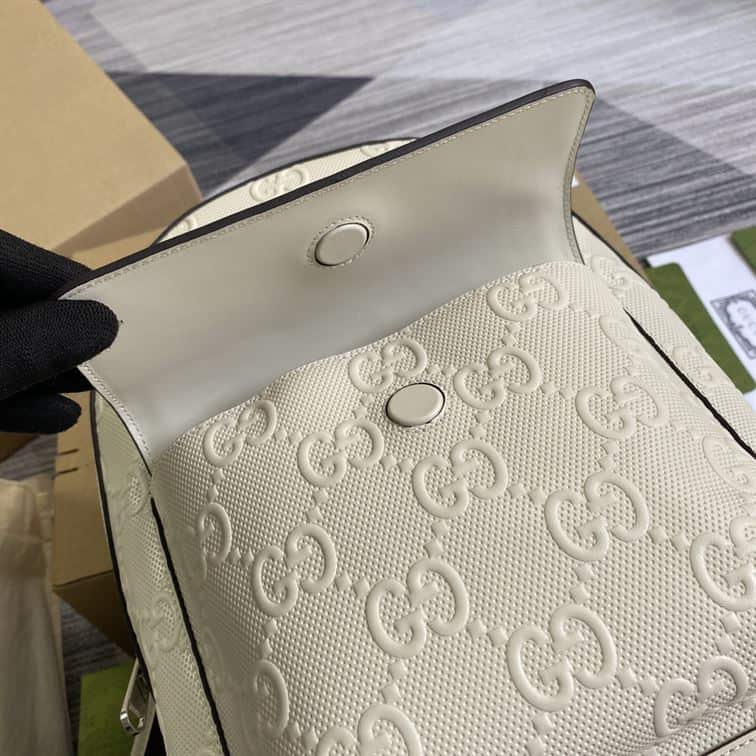
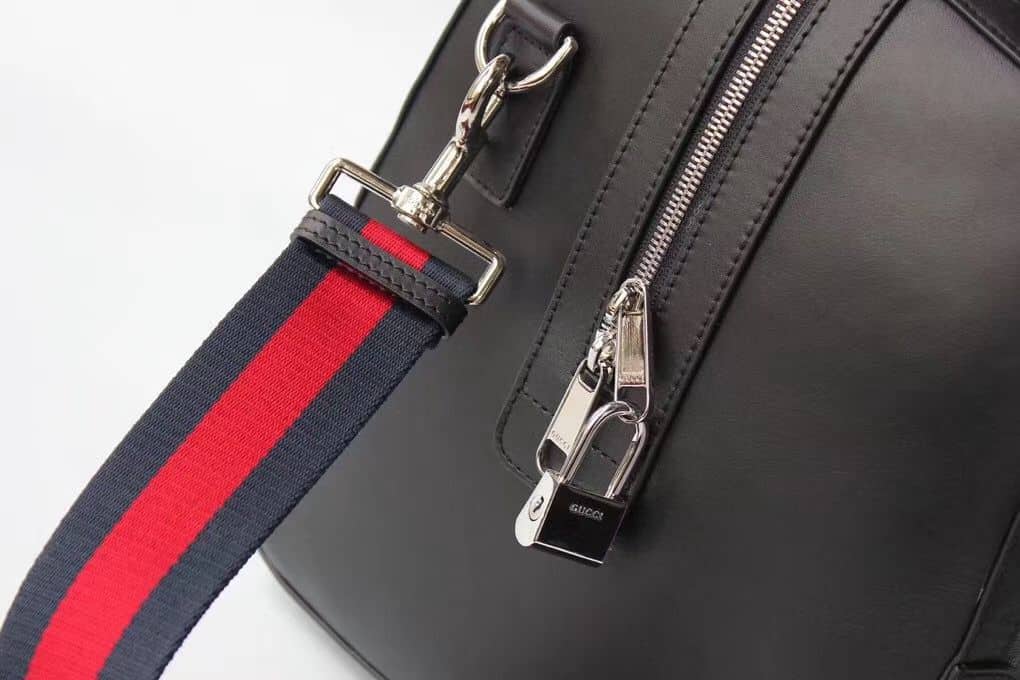
Content Menu
● Replica Bags vs Designer Alternatives at a Glance
● How Should Buyers Assess Quality?
>> Start With Materials, Not Appearance
>> Test Construction Against Daily Use
>> Ask What Quality Control Covers
● Why Does Design Legality Matter?
● What Does the Lowest Price Leave Out?
● A Practical Buyer’s Inspection Framework
>> Step 1: Define the Outcome You Want
>> Step 2: Compare Evidence Across Listings
>> Step 3: Request Specific Proof
>> Step 4: Check Payment and Returns
>> Step 5: Inspect Promptly on Arrival
● When Is Each Option a Better Fit?
● What Should Buyers Ask Luxurry Edit?
>> Are replica bags the same as authentic designer bags?
>> Is a logo-free designer-inspired bag always legal?
>> Can I judge a bag’s quality from photos?
>> Is a pre-owned designer bag a safer purchase?
>> Does a “1:1” label guarantee identical materials?
>> What should I do if a delivered bag differs from its listing?
Replica bags vs designer alternatives is not simply a choice between a familiar look and a lower price. Buyers also need to compare craftsmanship, product claims, intellectual-property risks, returns, and long-term value. A carefully made bag can feel satisfying in daily use, but visual similarity alone does not establish authenticity, durability, or the right to sell a design.
What Do These Terms Mean?
A replica bag usually means a product made to resemble a particular designer bag closely. Some sellers use the term for near-identical copies, including copied logos or labels. Others use it loosely for bags that share a shape or style. The label tells you little until you inspect the product and its listing.
A designer alternative is a broader choice. It might be an original bag from an independent label, a secondhand authentic designer bag, or a style-inspired bag with its own branding. These options serve different needs. An independent design offers a distinct identity. A pre-owned original offers authenticity at a potentially lower entry price than a new one. A style-inspired bag may offer a similar mood without presenting itself as another brand’s product.
The distinction matters because a disclaimer does not settle every intellectual-property question. A bag can raise concerns about its logo, distinctive pattern, protected shape, or overall presentation. Rules vary by market and by the rights that apply to the specific product. Buyers and retailers should not assume that removing a logo automatically makes a close copy permissible.
Replica Bags vs Designer Alternatives at a Glance
| Buying factor | Close replica bag | Independent designer alternative | Pre-owned authentic bag |
|---|---|---|---|
| Main appeal | Close resemblance to a specific design | A similar function or aesthetic with its own identity | The original product at a secondhand price |
| Authenticity | Not made by the original designer brand | Authentic to its own maker | Authenticity should be verified |
| Quality | Depends on the actual materials and construction | Depends on the maker and model | Depends on original construction and current condition |
| Intellectual-property exposure | Potentially significant for closely copied designs or marks | Lower when genuinely distinct, but not automatically absent | Focus shifts to verifying authenticity and lawful sale |
| Returns and support | Depend on the individual seller | Depend on the individual seller | Depend on the seller, platform, and listing |
| Resale prospects | Uncertain; counterfeits may be restricted or unsellable | Depend on demand for that label | Depend on brand, condition, and market demand |
This table is a starting point, not a verdict on every bag. Compare the exact products and sellers, rather than assuming that a category guarantees either quality or value.
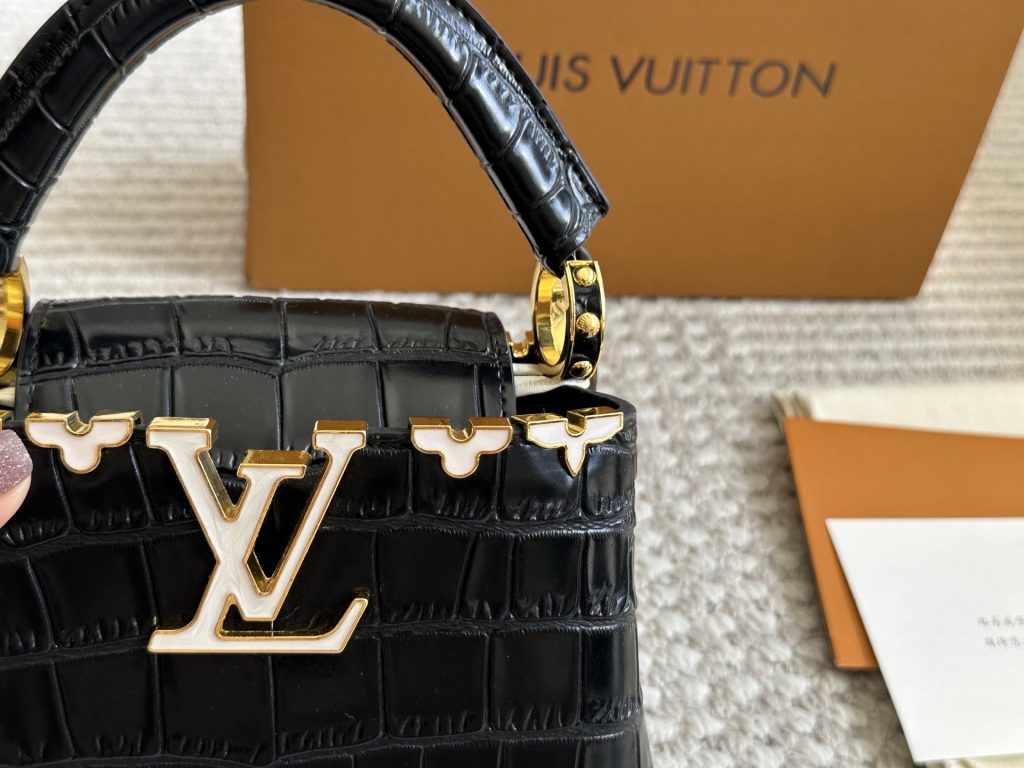
How Should Buyers Assess Quality?
Start With Materials, Not Appearance
Two bags can look similar in photographs yet feel different in use. Ask what the exterior, lining, handles, and trim are made from. “Leather” is less informative than a clear description of the leather type and where it is used. Likewise, a seller should distinguish coated canvas from uncoated fabric and plated hardware from solid metal.
Look closely at areas that carry stress. Handles, strap anchors, corners, and zipper ends often reveal more about construction than the front panel does. A smooth-looking finish in a product photo does not prove that those parts will withstand regular use.
For a remote purchase, request close-up images taken in ordinary light. Images of the interior, corners, stitching, and hardware are more useful than another styled photograph of the bag on a shelf.
Test Construction Against Daily Use
A well-constructed handbag should work as a bag, not just resemble one. Check whether the zipper runs smoothly, the base sits evenly, and the opening gives you practical access. Ask for dimensions and bag weight if you plan to carry it for long periods.
Review these details before ordering:
- Stitching: Are seams even, especially around handles and curved panels?
- Edges: Are painted or folded edges neat, without visible cracking?
- Hardware: Do clasps close securely and straps attach firmly?
- Lining: Is it fitted neatly, without loose material around the opening?
- Capacity: Will the bag hold the items you actually carry?
These checks do not authenticate a bag. They help you judge its workmanship and suitability. Professional authentication services examine many overlapping details, but they also assess branding, provenance, and model-specific features.
Ask What Quality Control Covers
“Premium quality” and “1:1” are marketing descriptions, not inspection results. A useful seller can explain which defects it checks, when it checks them, and what happens if the delivered item differs from the listing.
At Luxurry Edit, our manufacturing background informs how we assess construction and consistency. Still, a seller’s own quality claim should be testable. Buyers can reasonably request material specifications, measurements, photographs of the actual item where available, and a written remedy for defects. No production process makes every item identical, and a close visual match should never be described as proof of an original brand’s approval.
Why Does Design Legality Matter?
Fashion products can involve several different rights at once. A brand name or logo may be protected as a trademark. Decorative artwork may have copyright protection. A distinctive bag shape or surface design may be covered by design rights or, in some circumstances, trade dress. The relevant protection depends on the product and the jurisdiction.
For buyers, the practical question is: What is this seller claiming the bag to be? Be cautious when a listing uses another brand’s identity, implies authorization it cannot document, or shows identifying details that are absent from the written description. A seller calling an item a “replica” does not make unauthorized branding acceptable.
The stakes are not theoretical. A joint OECD–EUIPO study published in 2025 estimated global trade in counterfeit goods at USD 467 billion in 2021; clothing, footwear, and leather goods accounted for 62% of seized counterfeit goods in the data discussed by the OECD. Those are trade and seizure figures, not a measure of the quality or legality of every style-inspired bag. They do show why buyers should take product identity seriously.
Cross-border orders add another consideration. Customs authorities can intercept suspected counterfeit goods, including handbags. Before importing a closely copied item, check the rules that apply in the destination market. If the design or branding raises a serious question, seek qualified local advice rather than relying on a seller’s assurance that shipping is “safe.”
What Does the Lowest Price Leave Out?
The listed price is only one part of the cost. Shipping, duties, taxes, payment fees, repair needs, and return costs can change the result. A lower-priced bag that you cannot return may be a worse purchase than a more expensive option with a clear inspection and refund process.
Consider an illustrative choice between a $180 bag and a $320 independent-label bag. If the cheaper bag needs a $60 repair and the return shipping for a rejected replacement is $35, its effective cost could approach the alternative’s price. The example is not a market-price claim. It shows why total cost and after-sales terms deserve attention.
A pre-owned authentic bag creates a different calculation. Condition matters: worn corners, a replaced strap, or missing accessories can affect what you receive for the price. If authentication is important, check whether the specific listing qualifies for a physical inspection service. For example, eBay’s program applies to eligible items and locations, not to every handbag on its marketplace.
Finally, avoid assuming any bag will retain value. Resale demand changes, and condition deteriorates with use. Buy for the purpose the bag will serve first; treat a possible future sale as uncertain.
A Practical Buyer’s Inspection Framework
Step 1: Define the Outcome You Want
Write down your priorities before browsing. Do you want the original maker’s product, a particular silhouette, strong daily-use construction, or the lowest possible upfront cost? The answer determines which options belong on your shortlist.
If ownership of the original brand matters, a replica or style-inspired alternative cannot replace it. If shape and function matter more, compare independent designs as well.
Step 2: Compare Evidence Across Listings
Make a short comparison sheet for three candidate bags. Record the seller, materials, dimensions, total delivered price, return window, and whether the images show the actual item. Then list anything the seller has not answered.
This prevents a polished photograph from doing too much persuasive work. Consumer-shopping guidance recommends checking the full product description, total cost, seller reputation, and return terms before paying.
Step 3: Request Specific Proof
Ask for the bag’s measured width, height, depth, strap drop, weight, and material breakdown. Request close-ups of the seams, handle attachments, inside label, and closure. If a seller claims a bag is authentic, ask how that claim can be independently checked.
An answer such as “same as original” is not a material specification. Nor is a stock image proof of the item that will arrive. Where the seller cannot provide basic details, account for that uncertainty in your decision.
Step 4: Check Payment and Returns
Read the return policy before ordering. Confirm the deadline, required condition, refund method, and who pays return shipping. Keep copies of the listing and your messages with the seller.
Use a payment method that gives you a practical way to dispute a qualifying problem. Be wary of sellers who insist on hard-to-recover payment methods. A secure-looking checkout alone does not prove the seller is legitimate.
Step 5: Inspect Promptly on Arrival
Compare the delivered bag with the listing while the return window is open. Measure it, photograph any discrepancies, and test the closures without putting the bag through heavy use. If it differs materially from the description, contact the seller promptly and preserve your records.
This framework is deliberately product-specific. It is more reliable than judging a purchase by a category name or a claim of perfect resemblance.
When Is Each Option a Better Fit?
Choose an independent designer alternative if you want a particular size, silhouette, or function but do not need another brand’s identity. Look for clear product specifications and a design that stands on its own.
Consider a pre-owned authentic bag if the original maker, provenance, and potential resale market matter most. Budget for authentication where appropriate, and read the condition report rather than relying on a grade or headline alone.
Treat a close replica with additional caution. Assess its physical quality, but also examine branding, design rights, seller claims, import rules, and the possibility that resale channels will not accept it. A convincing appearance does not remove those questions.
There is no universal winner on craftsmanship or price. The better choice is the one whose identity, construction, total cost, and purchase protections match your priorities—and whose claims you can verify.
What Should Buyers Ask Luxurry Edit?
If you are considering a bag from Luxurry Edit, start with the details that affect your decision: materials, exact dimensions, current product photographs, inspection criteria, delivered cost, and return terms. Ask us to distinguish clearly between a design influence and any claim about origin or authorization.
Our focus on consistent manufacturing should help you evaluate the product itself, not replace your independent judgment. Send us the bag style and your intended use, and request a written specification and applicable policies before you buy.

Frequently Asked Questions
Are replica bags the same as authentic designer bags?
No. A replica is not manufactured or authorized by the original designer brand unless the brand has explicitly granted that authorization. Similar appearance, packaging, or materials do not establish authenticity.
Is a logo-free designer-inspired bag always legal?
No. Removing a logo may address one concern, but a distinctive shape, pattern, or other protected feature can raise separate issues. The answer depends on the design, applicable rights, and market.
Can I judge a bag’s quality from photos?
Photos can reveal uneven seams, visible finishing problems, and useful construction details. They cannot fully establish how a material feels, how a closure performs, or how the bag wears over time. Request specifications and a clear return policy as well.
Is a pre-owned designer bag a safer purchase?
It can be a better route if you want the authentic product at a secondhand price. It is not risk-free. Review condition, seller protections, and whether the particular item qualifies for authentication before paying.
Does a “1:1” label guarantee identical materials?
No. “1:1” has no value as a quality guarantee without verifiable details. Ask the seller to identify materials, construction methods, measurements, and tolerances instead of relying on the phrase.
What should I do if a delivered bag differs from its listing?
Photograph the differences, keep the original listing and payment record, and contact the seller within the stated return period. If the issue is not resolved, review the protections available through your payment method or marketplace.
References
1. World Intellectual Property Organization (WIPO) – “Iconic handbags: how to protect fashion’s most beloved icons with IP” – Explains how trademarks, design rights, copyright, and trade dress can apply to handbags. https://www.wipo.int/en/web/wipo-magazine/articles/iconic-handbags-how-to-protect-fashions-most-beloved-icons-with-ip-74073
2. WIPO – “Industrial Designs” – Explains the scope of industrial design protection and why rules vary across jurisdictions. https://www.wipo.int/en/web/designs
3. OECD – “Global trade in fake goods reached USD 467 billion” – Source for the 2021 trade estimate and the share of seized goods attributed to clothing, footwear, and leather goods. https://www.oecd.org/en/about/news/press-releases/2025/05/global-trade-in-fake-goods-reached-USD-467-billion-posing-risks-to-consumer-safety-and-compromising-intellectual-property.html
4. U.S. Federal Trade Commission – “Online Shopping” – Guidance on comparing total costs, checking seller and return terms, choosing payment methods, and retaining records. https://consumer.ftc.gov/articles/online-shopping
5. U.S. Customs and Border Protection – “Be Alert for Counterfeit Goods Sold Online” – Documents customs seizures and consumer concerns involving counterfeit handbags and other goods. https://www.cbp.gov/newsroom/local-media-release/mother-s-day-be-alert-counterfeit-goods-sold-online
6. eBay – “Buying with Authenticity Guarantee” – Describes physical authentication and the eligibility limits for its marketplace program. https://www.ebay.com/help/buying/buying-authenticity-guarantee/buying-authenticity-guarantee?id=5470
7. Vestiaire Collective – “How do you authenticate an item?” – Describes the materials, construction, markings, and provenance checks used in its authentication process. https://faq.vestiairecollective.com/hc/en-gb/articles/25922864974609-How-do-you-authenticate-an-item
Hot Tags: Replica Bags Wholesale, Replica Handbag Supplier, Designer-Inspired Handbags Wholesale, Designer Alternative Bags Wholesale, Luxury-Inspired Handbag Supplier, Wholesale Fashion Handbags, Private Label Handbag Manufacturer, OEM Handbag Manufacturer, ODM Handbag Supplier, Bulk Handbag Sourcing