Content Menu
● What Do These Quality Labels Mean?
● Mirror Quality Replica vs Standard Replica: Key Differences
>> Materials, Feel, and Finish
>> Construction and Functional Details
>> Consistency Across a Production Batch
● Why Price Alone Is Misleading
● A Practical Inspection Method for Buyers
>> How to Compare Handbags, Shoes, and Clothing
● The Risk a Quality Grade Cannot Fix
>> Is mirror quality always better than a standard replica?
>> Does a 1:1 replica mean the materials are identical?
>> Are mirror quality replicas legal to sell?
>> How can I compare replica handbag quality online?
>> What matters most when comparing replica shoes?
>> Should a wholesale buyer trust an approved sample?
A mirror quality replica vs standard replica comparison is about more than how closely an item resembles a luxury product in a photograph. Materials, construction, consistency, comfort, price, and the seller’s disclosures all shape the buying decision. Just as important, neither label proves that a product is authorized, safe, or suitable for sale in a particular market.
For buyers comparing replica handbags, shoes, clothing, and accessories, the most useful question is not “Which grade sounds better?” It is “What can the supplier actually show me about this specific item and production batch?” This guide explains the practical differences, offers a product-by-product inspection method, and identifies the risks that a polished sales description can hide.
What Do These Quality Labels Mean?
“Mirror quality” and “standard replica” are informal seller descriptions, not independently verified manufacturing grades. One supplier may use “mirror quality” to describe a carefully finished bag; another may apply it to almost anything in its highest-priced catalog. The terms tell you what a seller claims, not what a buyer has confirmed.
In common usage, a mirror quality replica aims for closer visual and construction similarity. Its seller may emphasize material selection, proportions, stitching, hardware, or finishing. A standard replica generally prioritizes a lower price and a recognizable overall appearance, with less attention paid to smaller details. Neither description guarantees a particular material, inspection standard, or product lifespan.
The word “mirror” can also create an unrealistic expectation. Even an item that looks remarkably similar in a listing may feel different in person. Leather finish, weight distribution, flexibility, lining, and long-term wear are difficult to judge from a front-facing image.
Most importantly, quality and authorization are separate questions. A well-made item bearing another company’s protected mark without permission can still raise counterfeit or infringement concerns. Calling it a replica, or telling the buyer that it is not authentic, does not automatically resolve those concerns.
Mirror Quality Replica vs Standard Replica: Key Differences
The table describes typical seller claims and buyer expectations. It is not a universal grading scale; an individual item may perform better or worse than its advertised category suggests.
| Factor | Mirror quality replica | Standard replica |
|---|---|---|
| Design similarity | Usually marketed as closer in shape, proportions, and small details | Usually focuses on the recognizable overall look |
| Materials | May use more carefully selected materials, but claims need verification | May use lower-cost or less consistent materials |
| Construction | More attention may be given to seams, edges, linings, and hardware | Finishing may be simpler or vary more between items |
| Comfort and function | May receive more attention, especially in shoes and apparel | Appearance may take priority over fit or daily use |
| Batch consistency | Should be supported by inspection records, not assumed from the label | Also requires batch-level checks |
| Price | Typically higher | Typically lower |
| Legal status | Quality does not establish permission to copy protected features | The same principle applies |
A higher price does not prove that every component has improved. Sometimes the visible exterior receives more attention while the lining, reinforcement, zipper, or sole remains ordinary. Buyers should compare specific specifications and samples, not adjectives.
Materials, Feel, and Finish
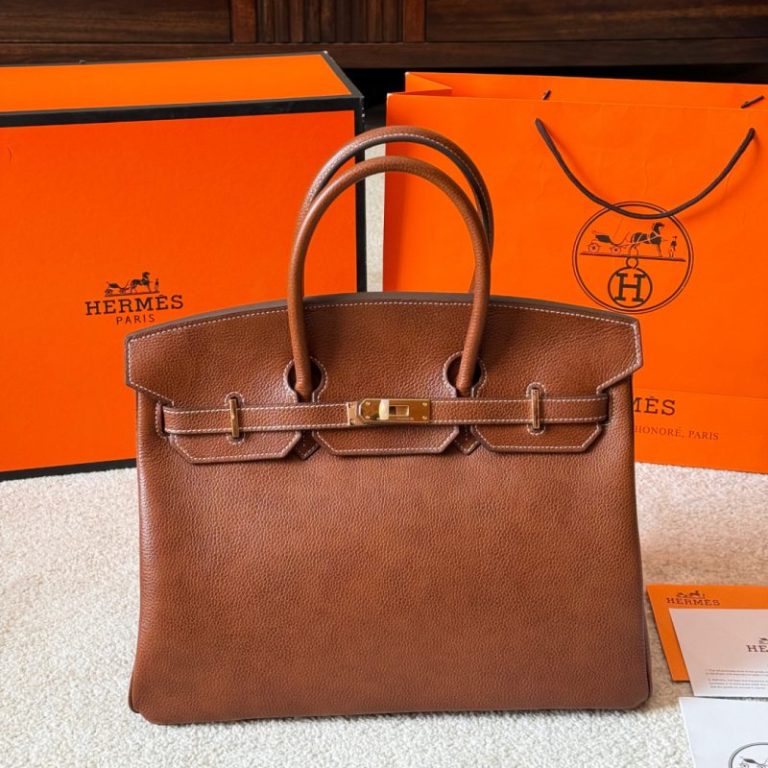
Material differences become clearer when you handle an item. For a handbag, examine the exterior and lining separately. Check whether the surface finish looks even, whether the material creases naturally, and whether the edges feel smooth rather than brittle or rough. Ask the seller to identify the material precisely; “premium” is not a material specification.
For footwear, look beyond the upper. The insole, outsole, heel attachment, lining, and flexibility affect how a shoe performs. A close visual match is of limited value if the shoe rubs, slips, or loses shape quickly. For clothing, fabric composition, weight, stretch recovery, and seam comfort often matter more than a convincing product photograph.
Material disclosure should be specific enough to test. A useful specification might identify the exterior, lining, hardware finish, and care requirements. A vague promise of “the same materials as the original” is difficult to verify and should not be treated as evidence.
Construction and Functional Details
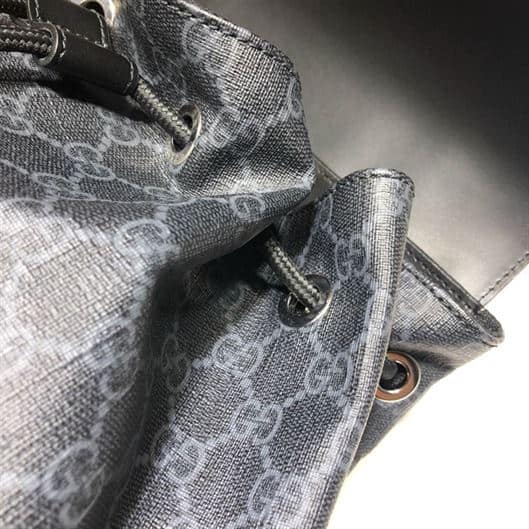
Construction quality is often easiest to assess at stress points. Open and close the fastening repeatedly. Lift a bag by its handles with a reasonable load. Check whether shoe soles flex evenly and whether clothing seams pull or twist during movement.
A more carefully made item may have cleaner stitching, better-aligned panels, and tidier edges. Yet neat stitching alone does not establish durability. Reinforcement under a handle, the bond between an outsole and upper, or the stability of a garment’s closure may matter far more after weeks of use.
When comparing samples, prioritize function before decorative accuracy. A slightly different trim detail may be less consequential than a zipper that catches or a heel that feels unstable.
Consistency Across a Production Batch
One attractive sample does not represent an entire shipment. This distinction matters especially to retailers. A supplier can photograph its best unit while ordinary production varies in color, dimensions, stitching, or fit.
Ask what happens between sample approval and dispatch. Does the supplier work to documented specifications? Are material changes approved? Are defects recorded? Can the buyer inspect randomly selected units before shipment? These questions reveal more about likely consistency than the phrase “1:1 quality.”
Quality-management guidance emphasizes documented processes, monitoring, and improvement. Sampling standards likewise provide structured ways to inspect lots. Neither approach guarantees a perfect item, but both support a more credible discussion than an unverified quality label.
Why Price Alone Is Misleading
The apparent bargain depends on total cost, not just the amount on an invoice. Shipping, duties, returns, repairs, unsold inventory, and customer complaints can change the economics of either option. Where intellectual-property or import restrictions apply, enforcement risk may outweigh a small difference in manufacturing cost.
Consider a retailer choosing between two handbag samples. The cheaper unit may look convincing from the front but have uneven handle attachments and a zipper that catches. The higher-priced unit may operate better, yet its seller cannot document the materials or explain how later batches will be checked. Neither price point answers the retailer’s central question: can the product be sold lawfully and delivered consistently?
There is no reliable industry-wide percentage by which a “mirror quality” product costs more or lasts longer. Any such claim should be backed by comparable items, a stated test method, and actual results. Without those details, it is a sales estimate rather than a dependable purchasing benchmark.
A Practical Inspection Method for Buyers
A useful inspection separates what you can observe from what a supplier claims. Request an unedited video of the actual sample, then examine the physical item whenever the purchase justifies it. Use the same checklist for both quality tiers so the comparison remains fair.
- Confirm the item and batch. Match the sample’s model, color, size, and material description to the quotation. Ask whether later orders will use the same specifications.
- Measure and compare. Record dimensions, weight, strap length, heel height, or garment measurements as relevant. Check symmetry and variation between units.
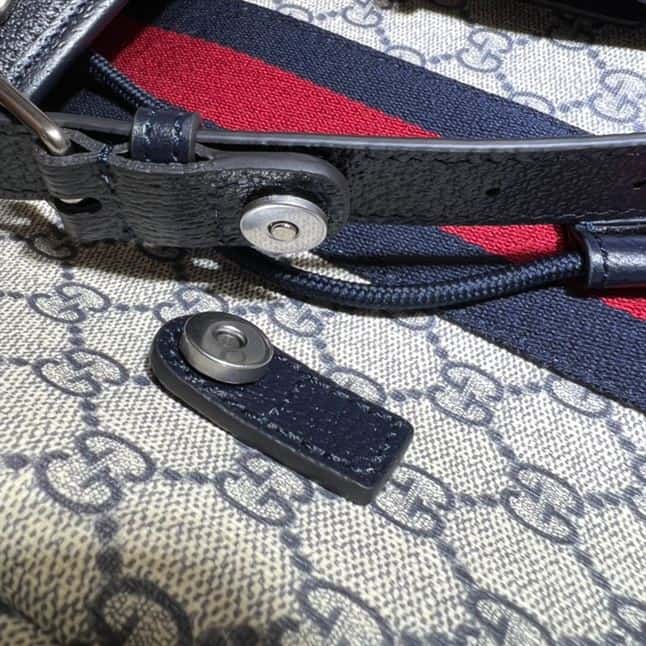
- Test moving parts. Operate zippers, snaps, buckles, clasps, buttons, and adjustable straps several times. Note sticking, looseness, or sharp edges.
- Inspect stress points. Look closely at handle bases, seam intersections, shoe sole joins, pocket corners, and areas that carry weight or tension.
- Check comfort and use. Try on footwear and apparel where possible. Put everyday contents in a bag to see whether its opening, pockets, and straps work comfortably.
- Document defects. Take consistent photos, classify problems by severity, and agree in writing on repair, replacement, or rejection terms before placing a larger order.
For wholesale orders, consider an independent, randomly selected pre-shipment inspection. Agree on the inspection criteria before production starts. A supplier’s chosen showroom sample can be useful for initial screening, but it is a weak substitute for checking units from the finished lot.
How to Compare Handbags, Shoes, and Clothing
Different categories fail in different ways. A single generic “quality score” can obscure the details that matter to the customer.
| Product | Checks that deserve priority |
|---|---|
| Handbags | Handle attachment, edge finishing, lining, zipper travel, interior usability, and shape under load |
| Shoes | Fit consistency, heel stability, sole attachment, lining comfort, and grip |
| Clothing | Accurate size chart, fabric composition, seam strength, stretch recovery, and care information |
| Small accessories | Closure security, surface finish, sharp edges, and resistance to ordinary handling |
Treat a product’s intended use as part of the inspection. A bag designed for occasional styling has different performance demands from a daily work bag. Likewise, a shoe that looks good in a short video may not be comfortable for hours of walking.
The Risk a Quality Grade Cannot Fix
Replica terminology can blur an important distinction between design inspiration and copying protected identity. Trademarks, distinctive product features, packaging, and marketing claims may all require separate review. The applicable rules depend on the product and the market; a seller’s quality grade is not a legal assessment.
In the United States, trademark guidance distinguishes counterfeit marks from other potentially infringing marks. This means a product does not become low-risk simply because it is described openly as a replica. Equally, removing a logo is not a universal guarantee that every design or marketing concern disappears. Businesses should obtain advice for the places where they manufacture, import, advertise, and sell.
The scale of the issue helps explain why diligence matters. A joint international study published in 2025 estimated that counterfeit and pirated goods represented up to 2.3% of global trade in 2021, the most recent year of global customs data used in that study. Clothing, footwear, and leather goods together accounted for 62% of seized counterfeit goods. These figures describe counterfeit trade broadly; they do not measure the quality of individual replicas or the share of products marketed as “mirror quality.”
Product information is another practical concern. For example, most textile and wool products covered by U.S. labeling rules need disclosures about fiber content, origin, and the responsible business, while clothing care instructions are subject to a separate rule. Requirements differ by product: the textile guidance excludes shoes and textiles used in handbags from that particular set of rules. Buyers should check the rules that apply to each item rather than assume one label covers an entire fashion collection.
Questions to Ask a Supplier
For a business buyer, the best conversation starts with evidence, not tier names. Request answers that can be written into a purchase specification and checked before acceptance.
- What are the exact exterior, lining, hardware, and packaging materials?
- Which measurements have tolerances, and how will variation be handled?
- Will production use the approved sample’s materials and construction?
- What records show how finished units are inspected?
- Can an independent inspector select units from the actual shipment?
- What happens if a batch fails the agreed criteria?
- Who is responsible for checking product claims, labeling, and intellectual-property permissions in the destination market?
A supplier that can explain these points gives a buyer something usable, even if its product description is modest. A supplier that relies only on “mirror quality,” “top tier,” or “identical to the original” leaves essential questions unanswered.
Luxurry Edit describes its offering as carefully made, luxury-inspired replicas supported by an established production line. Buyers considering its products should apply the same evidence-based checks they would use with any supplier: request item-specific specifications, review a representative sample, clarify batch inspection, and verify the rights and requirements relevant to their market. This is more useful than assuming that a manufacturing-experience claim or a 1:1 description proves an outcome.
Which Option Makes Sense?
If your priority is a lower upfront price and you can accept variation in finishing, a standard replica may appear attractive. If your priority is closer visual detail and potentially better finishing, a mirror quality replica may be worth examining. Neither is the right choice on its label alone.
For an individual buyer, compare comfort, usability, seller disclosures, and the available return terms before ordering. For a retailer, add representative sampling, written quality criteria, product-label review, and a market-specific intellectual-property assessment. If the supplier cannot support essential claims or the proposed sale presents unresolved legal concerns, the sensible choice may be neither tier.
The strongest purchasing decision rests on an item you can inspect, specifications you can verify, and terms you understand. Contact Luxurry Edit to request product-specific materials, a representative sample, inspection details, and written order terms before committing to a purchase.

Frequently Asked Questions
Is mirror quality always better than a standard replica?
No. “Mirror quality” is not a standardized grade. A particular item may show better materials or finishing, but you need a side-by-side sample comparison to establish which product performs better.
Does a 1:1 replica mean the materials are identical?
No. A 1:1 claim often refers to intended visual similarity. Ask for precise material specifications and inspect the sample; do not infer identical composition, construction, or durability from the phrase.
Are mirror quality replicas legal to sell?
The label does not determine legality. Protected marks, design features, advertising, and import rules may be relevant, and requirements vary by market. Seek qualified local advice before selling or importing products with potentially protected features.
How can I compare replica handbag quality online?
Request current, unedited images and a video of the actual item. Ask for measurements and material details, then examine the zipper, lining, handles, seams, and shape under load. For larger orders, inspect randomly selected finished units.
What matters most when comparing replica shoes?
Start with fit, stability, sole attachment, and comfort. Surface appearance and small visual details are worth considering, but they cannot compensate for a shoe that feels unsafe or uncomfortable.
Should a wholesale buyer trust an approved sample?
Use it as a reference, not a guarantee. Put its specifications in writing, define acceptable variation, and arrange a pre-shipment check of units selected from the production lot.
References
1. OECD – “Global trade in fake goods reached USD 467 billion, posing risks to consumer safety and compromising intellectual property” (2025) – Explains the study’s 2021 trade estimate, affected product categories, and seizure data. https://www.oecd.org/en/about/news/press-releases/2025/05/global-trade-in-fake-goods-reached-USD-467-billion-posing-risks-to-consumer-safety-and-compromising-intellectual-property.html
2. European Union Intellectual Property Office – “Mapping Global Trade in Fakes 2025” (2025) – Describes the joint study’s methodology, data period, and principal findings. https://www.euipo.europa.eu/en/publications/mapping-global-trade-in-fakes-2025
3. United States Patent and Trademark Office – “How Do I Protect and Maintain My Trademark?” (2021) – Explains counterfeit and infringing marks under U.S. trademark law. https://www.uspto.gov/sites/default/files/documents/LanhamActProtectandMaintainYourTrademarkJune2021.pdf
4. Federal Trade Commission – “Threading Your Way Through the Labeling Requirements Under the Textile and Wool Acts” – Details covered products, exclusions, and fiber, origin, and business-identity disclosures. https://www.ftc.gov/business-guidance/resources/threading-your-way-through-labeling-requirements-under-textile-wool-acts
5. Federal Trade Commission – “Care Labeling of Textile Wearing Apparel and Certain Piece Goods” – Sets out U.S. care-instruction requirements for covered apparel. https://www.ftc.gov/legal-library/browse/rules/care-labeling-textile-wearing-apparel-certain-piece-goods-text
6. International Organization for Standardization – “ISO 9001 Explained” – Describes the role of documented processes, monitoring, and improvement in quality management. https://www.iso.org/home/insights-news/resources/iso-9001-explained.html
7. International Organization for Standardization – “ISO 2859-1:2026 — Sampling Procedures for Inspection by Attributes” – Describes acceptance-sampling plans for lot inspection. https://www.iso.org/standard/2859-1
Hot Tags: Mirror Quality Replica, Standard Replica, Mirror Quality Replica Bags, Standard Replica Bags, Replica Bag Quality Comparison, Wholesale Replica Handbags, Replica Handbag Supplier, Wholesale Replica Shoes, Replica Fashion Accessories Supplier, Replica Bag Quality Inspection