Content Menu
● Quick Answer: Replica vs Fake
● What Does “Replica” Mean in Fashion?
● Replica vs Fake: The Practical Difference
>> Scenario 1: A Designer-Inspired Product
>> Scenario 2: A Replica Sold With Clear Disclosure
>> Scenario 3: A Fake Presented as Authentic
● Why Terminology Can Be Misleading
● Quality Is More Than Visual Similarity
>> Materials
>> Hardware
>> Construction
● The Transparency Test for Buyers
● Industry Insight: Why Replica Quality Varies So Widely
>> Customs Risk
>> Safety Risk
>> Resale Risk
● A Better Buying Decision Framework
● FAQ
>> Is a replica the same as a fake?
>> Are 1:1 replicas actually identical to authentic items?
>> Can a replica have good quality?
>> What are the biggest warning signs of a fake luxury product?
>> Can I resell a replica handbag as authentic?
>> Why do replica products vary so much in quality?
>> What should I ask a seller before buying a luxury-inspired bag?
>> Are designer-inspired bags a safer alternative?
The terms replica and fake are often used interchangeably in luxury fashion, but they do not always describe the same buyer experience, product intent, or legal risk. For anyone considering designer-inspired handbags, shoes, apparel, or accessories, understanding the difference matters far more than comparing appearance or price alone.
In everyday fashion conversations, a replica may describe an item that closely recreates the visual characteristics of an original product. A fake more often describes an item presented as genuine when it is not. However, the practical distinction can become blurred when a product uses protected logos, trademarks, packaging, serial numbers, or branding elements without authorization. In those situations, terminology does not remove the underlying intellectual-property or consumer-protection concerns.
This guide explains the replica vs fake distinction from the perspective of a product evaluator, fashion-industry observer, and informed buyer. It also provides a practical framework for assessing craftsmanship, transparency, product claims, and long-term value before making a purchase.
Quick Answer: Replica vs Fake
A replica is commonly understood as a product designed to closely resemble an original item in shape, materials, proportions, construction, or visual details.
A fake is generally understood as a non-genuine product that is made, marketed, or represented in a way that can make consumers believe it is authentic.
The key difference is often representation.
| Comparison Point | Replica | Fake |
|---|---|---|
| Common meaning | A close reproduction or imitation of an existing item | A non-genuine item presented as real or authentic |
| Buyer awareness | The buyer may understand it is not made by the original brand | The buyer may be misled, or the item may be marketed deceptively |
| Product focus | Similarity in design, materials, construction, or silhouette | False claims of origin, authenticity, or brand affiliation |
| Brand identifiers | May or may not use brand identifiers | Often uses copied logos, labels, packaging, or authentication details |
| Risk level | Depends on the specific design and branding used | Typically carries higher deception and legal risk |
| Typical marketing language | “Inspired by,” “reproduction,” “lookalike,” or “replica” | “Authentic,” “factory original,” “same as boutique,” or misleading authenticity claims |
The most important point is simple: a product can be called a replica and still create serious concerns if it uses protected brand elements without authorization. A seller’s chosen label does not determine whether an item is lawful, safe, accurately described, or suitable for resale.
What Does “Replica” Mean in Fashion?
In fashion, a replica typically refers to a product made to imitate another product’s appearance. The imitation can range from a general resemblance to an extremely detailed recreation.
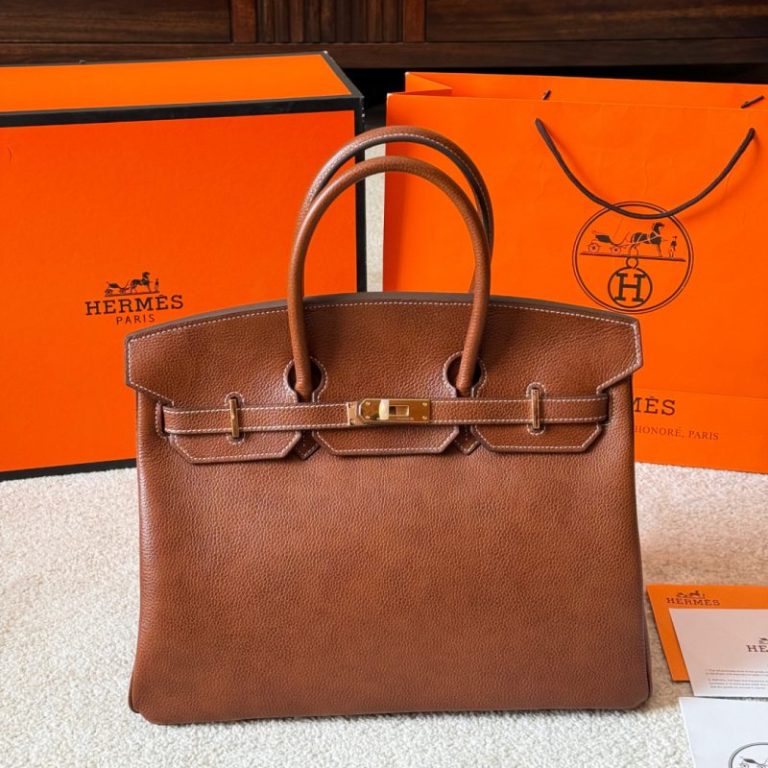
For example, a handbag may replicate:
- The overall bag shape
- Handle height and strap placement
- Hardware style
- Stitching pattern
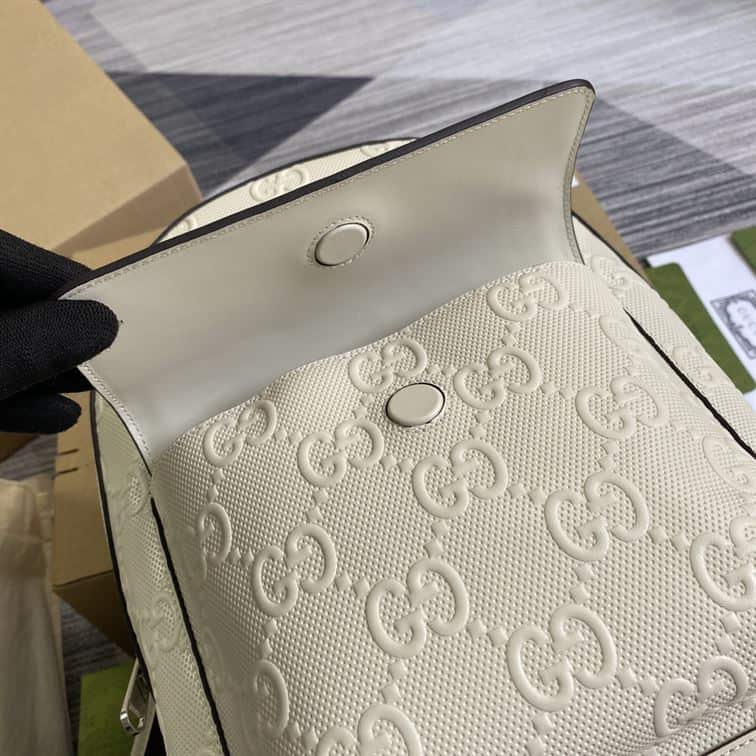
- Interior layout
- Leather texture
- Colorway
- Closure mechanism
- Packaging presentation
- Decorative details
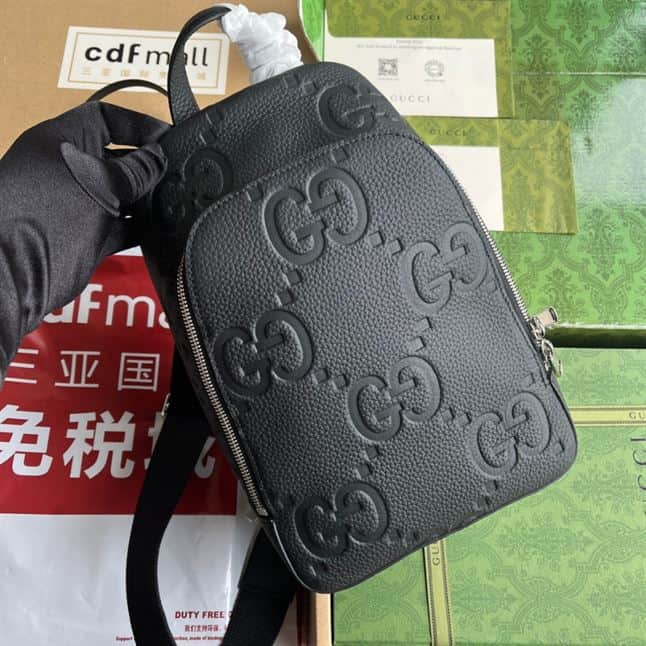
A high-detail replica may attempt to mirror an original item closely enough that the differences are difficult to spot in product photos. This is why shoppers may encounter terms such as 1:1 replica, mirror quality, premium replica, super clone, or luxury copy.
These expressions are commercial descriptions, not official quality certifications. They do not confirm materials, safety, durability, legality, authorization, or resale eligibility.
The “1:1 Replica” Claim
The phrase 1:1 replica is particularly common in luxury-inspired fashion markets. It suggests that an item matches an original product in every visible and functional detail.
In practice, no buyer should interpret this phrase as a verified guarantee.
A product can look highly similar while differing significantly in:
- Leather grade and tanning process
- Hardware plating and corrosion resistance
- Adhesive quality
- Stitch tension
- Lining composition
- Color consistency
- Construction tolerances
- Zipper performance
- Wear resistance
- Chemical compliance
- Quality-control procedures
From a manufacturing standpoint, visual similarity is only one dimension of quality. A product may photograph well but still have weak edge paint, uneven seams, brittle hardware, poor odor control, inaccurate dimensions, or inconsistent batch quality.
For buyers, the most useful question is not, “Is this 1:1?” It is:
What exactly has been verified about the material, construction, product origin, and after-sales responsibility?
What Does “Fake” Mean?
A fake is usually associated with deception. It may imitate a brand’s product while also using that brand’s name, logo, monogram, trademark, packaging, labels, tags, authenticity cards, or serial-number format in a way that suggests the item is genuine.
A fake product can create confusion in several ways:
- It may be listed as authentic when it is not.
- It may use copied logos or monograms.
- It may include counterfeit labels or packaging.
- It may claim to come from an official factory.
- It may use product photos copied from authorized retailers.
- It may include invented receipts, cards, certificates, or serial details.
- It may be sold through a website that imitates an official brand store.
This distinction matters because a buyer who knowingly purchases a non-genuine item still may face problems involving customs seizure, no-return transactions, product-quality issues, resale restrictions, or potential legal exposure depending on the country and circumstances.
The Organisation for Economic Co-operation and Development reported that global trade in counterfeit goods was worth approximately USD 467 billion in 2021, representing 2.3% of total global imports. The scale of the market shows why product labeling, origin claims, and brand-related deception remain major issues across fashion and consumer goods.
Replica vs Fake: The Practical Difference
The difference between replica and fake is not always a neat binary. It is better understood as a spectrum of imitation and disclosure.
Scenario 1: A Designer-Inspired Product
Imagine a structured leather tote with a clean geometric silhouette, top handles, and a neutral color palette. It does not use another company’s logo, name, packaging, or protected insignia.
Consumers may view this as a designer-inspired item or a lookalike. Whether it creates legal concerns can depend on the precise design, jurisdiction, and whether protected trade dress, design rights, or other rights are involved.
The buyer is not necessarily being told that the product came from the original luxury house.
Scenario 2: A Replica Sold With Clear Disclosure
A seller states that a handbag is not made by the original brand and is a replica of a known design. The item may still closely resemble the original product.
The buyer has greater awareness that the item is not authentic. However, disclosure alone does not automatically resolve concerns when protected trademarks, logos, distinctive design features, or copied packaging are involved.
Scenario 3: A Fake Presented as Authentic
A website sells an item with a luxury brand’s logo, monogram, box, dust bag, card, serial tag, and “official factory” claim. The seller calls it authentic or implies it came from a legitimate distribution channel.
This is the clearest example of a fake: a product is represented in a way likely to mislead buyers about its origin or authenticity.
The U.S. Patent and Trademark Office advises shoppers to evaluate price, packaging, and place of purchase when assessing whether goods are genuine. A dramatically low price, flawed packaging, or an unknown seller without normal returns and warranties can all be warning signs.
Why Terminology Can Be Misleading
Words such as replica, mirror, AAA, original quality, import version, factory batch, boutique grade, and master copy can sound technical. But they are not standardized across sellers.
One supplier’s “top grade” item may be another supplier’s middle-tier item. One seller may use “genuine leather” to mean split leather with a coating, while another may mean full-grain leather. One product photo may show a sample, while the delivered item comes from a different batch.
That is why serious buyers should focus on verifiable specifications, rather than promotional labels alone.
Ask for details such as:
- Exact outer material and lining material
- Hardware composition and finish
- Product dimensions and acceptable tolerance
- Weight of the finished item
- Stitch count or seam construction method
- Country of manufacture
- Batch photographs or videos
- Quality-control standards
- Defect policy
- Return process
- Product safety documentation where relevant
- Whether branding, packaging, or labels are authorized
For fashion accessories, transparency is a more meaningful quality signal than vague phrases such as “same as original.”

Quality Is More Than Visual Similarity
A common mistake is treating resemblance as proof of craftsmanship. A product may look close to an original in a carefully edited image while performing very differently after several weeks of use.
Materials
For handbags, material quality affects more than touch and appearance. It influences durability, aging, odor, flexibility, scratch resistance, and edge wear.
Important material questions include:
- Is the leather full-grain, top-grain, split leather, bonded leather, or synthetic?
- Is the surface coated or corrected?
- Has the leather been chrome tanned, vegetable tanned, or treated through another process?
- Are color variations expected across batches?
- Is the lining natural leather, microfiber, canvas, polyester, or another textile?
- Are dyes and finishes suitable for normal use?
Hardware
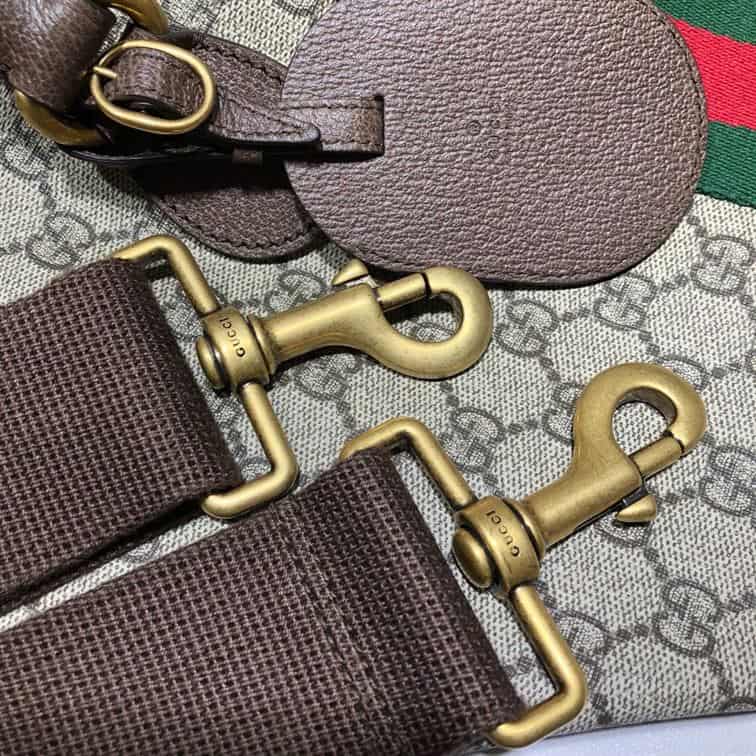
Metal hardware can be visually convincing at first but fail through tarnishing, peeling, discoloration, or weak attachment.
Evaluate:
- Weight and density
- Plating quality
- Sharpness of engraving
- Resistance to scratches
- Screw and rivet security
- Zipper movement
- Magnetic closure strength
- Consistency across components
Construction
Construction quality often reveals itself over time. The buyer should inspect corners, handles, strap anchors, folded edges, lining seams, glue application, and interior pockets.
A reliable product should not rely on photography alone. Detailed close-up images and a realistic video can help buyers assess sewing lines, edge paint, alignment, and structural shape.
The Transparency Test for Buyers
When assessing a fashion seller, use a five-part transparency test. This can reduce the chance of purchasing an item based on vague or misleading claims.
1. Identity Transparency
Can the seller clearly explain who they are?
Look for:
- A real business identity
- Customer-service contact details
- A clear return policy
- Reasonable response times
- Consistent business information
- Product descriptions that do not contradict each other
Be cautious when a seller changes names frequently, uses inconsistent messaging, or refuses to provide basic transaction information.
2. Product Transparency
Can the seller identify the actual product materials and specifications?
A trustworthy description should clarify what the product is made from instead of relying only on phrases such as “high quality” or “luxury grade.”
3. Price Transparency
Does the price make sense for the materials and construction claimed?
An unusually low price may not automatically prove poor quality, but it should invite more questions. High-quality leather, metal hardware, skilled labor, inspection, packaging, customer service, and international shipping all have real costs.
4. Image Transparency
Are the product photos original, consistent, and specific?
Warning signs include:
- Photos copied from official brand websites
- Mismatched colors across images
- No close-ups of flaws or details
- No video of the actual item
- Reused photos across unrelated sellers
- Images that hide labels, hardware, or construction points
5. Policy Transparency
Does the seller explain what happens if the item arrives damaged, materially different, delayed, or held by customs?
If a seller provides no meaningful buyer protection, the apparent savings may disappear quickly.
Industry Insight: Why Replica Quality Varies So Widely
The fashion-supply ecosystem is not one uniform market. A seller can source from different workshops, factories, intermediaries, stock agents, or private-label producers. Even products that appear identical online may come from unrelated production lines.
Variation can occur because of:
- Different material suppliers
- Seasonal changes in leather availability
- Different workers or subcontractors
- Changes in molds or patterns
- Inconsistent hardware batches
- Varying inspection standards
- Pressure to reduce cost
- Photo samples that are better than final production
- Different interpretations of “premium quality”
This means a product category name is not enough. For example, two sellers may both describe an item as a “high-end replica leather bag,” but one may use full-grain leather and durable hardware while another uses coated split leather, lightweight alloy hardware, and minimal inspection.
The phrase is the same. The buyer experience may not be.
Risks Beyond Authenticity
The replica vs fake discussion should not focus only on appearance. Consumers and businesses should consider broader risks.
Financial Risk
A buyer may pay a premium for an item that does not match the product photos or stated materials. Chargeback disputes can also be difficult when sellers lack clear policies or operate through informal payment channels.
Customs Risk
Products may be detained, seized, or rejected at borders if authorities believe goods infringe intellectual-property rights. Buyers should understand that delivery is never guaranteed merely because a seller offers international shipping.
Safety Risk
Fashion products usually create lower direct safety risks than items such as medicines, batteries, automotive components, or children’s products. However, accessories can still raise concerns related to chemical residues, dyes, metal content, adhesives, and poor construction.
European intellectual-property authorities have warned that counterfeit consumer goods can pose safety concerns, particularly where manufacturing controls and traceability are weak.
Resale Risk
An item that is not authentic should never be represented as authentic in a resale listing. Doing so can harm the next buyer and may violate marketplace rules or applicable law.
If you own a non-genuine item, describe it accurately, follow the rules of the platform you use, and avoid copied branding or claims that imply authorization.
A Better Buying Decision Framework
Instead of asking only, “Which replica is closest to the original?” use this decision framework.
- Define your goal. Are you seeking a similar silhouette, a durable everyday bag, a trend-focused accessory, or an authentic collectible?
- Set a realistic budget. Include shipping, import duties, return costs, potential replacement costs, and the risk of non-delivery.
- Choose transparency over hype. Prefer detailed material information, actual product images, and clear customer policies.
- Avoid deceptive claims. Be cautious with “authentic,” “official factory,” “same supplier as the boutique,” or “guaranteed genuine” claims that cannot be independently verified.
- Request real evidence. Ask for current photos, measurements, material details, and close-ups of the exact product or batch.
- Protect your transaction. Use payment methods with appropriate buyer protections where possible, and retain screenshots of descriptions and policies.
- Consider a legitimate alternative. Authorized pre-owned goods, contemporary independent brands, outlet products, rental platforms, and original private-label designs can offer stronger traceability and after-sales support.
The Bottom Line
The simplest way to understand replica vs fake is this: a replica emphasizes similarity, while a fake emphasizes false authenticity or deceptive representation. But in the real marketplace, the words alone are not enough to determine quality, legality, or consumer risk.
A close-looking bag is not automatically a well-made bag. A seller’s claim of “1:1 quality” is not proof of material quality. And a product labeled as a replica can still raise serious concerns if it copies protected trademarks, packaging, or source-identifying details without authorization.
The most informed buyers focus on clear disclosure, material evidence, realistic product claims, accountable service, and lawful sourcing. Those standards protect not only your budget, but also your confidence in the product you choose.
Before purchasing any luxury-inspired fashion product, ask for transparent specifications, verify the seller’s policies, and choose products that are described honestly. If you are building a fashion collection for long-term use or resale, prioritize authorized products or clearly independent designs with documented provenance.
FAQ
Is a replica the same as a fake?
Not always in everyday conversation. A replica usually refers to a close imitation, while a fake often refers to a non-genuine product presented as authentic. In practice, the distinction can become unclear when a product uses copied logos, trademarks, packaging, or authenticity claims.
Are 1:1 replicas actually identical to authentic items?
Usually, no. “1:1 replica” is a marketing expression rather than a recognized certification. An item may resemble an original visually but differ in leather quality, hardware, construction, durability, quality control, and traceability.
Can a replica have good quality?
A replica may be well constructed in certain respects, but product quality should be evaluated through verifiable material details, workmanship, batch consistency, and after-sales policies. Visual similarity alone does not prove durability or manufacturing standards.
What are the biggest warning signs of a fake luxury product?
Common warning signs include an implausibly low price, copied official images, poor spelling on labels or packaging, unclear return policies, inconsistent product details, no verifiable seller identity, and claims that the item is authentic without credible proof.
Can I resell a replica handbag as authentic?
No. A non-genuine item should never be described or marketed as authentic. Misrepresenting its origin can mislead buyers and may violate marketplace rules or applicable laws.
Why do replica products vary so much in quality?
Different sellers may use different workshops, material suppliers, hardware sources, production standards, inspection methods, and subcontractors. Products with similar names or photos may come from completely different supply chains.
What should I ask a seller before buying a luxury-inspired bag?
Ask about the exact material, lining, hardware, dimensions, current batch photos, quality-control process, shipping method, return policy, defect handling, and whether the product uses any unauthorized logos or packaging.
Are designer-inspired bags a safer alternative?
A designer-inspired bag that does not falsely claim association with another brand and does not copy protected brand identifiers may offer a clearer alternative. However, the exact legal position can depend on design details and local rules, so buyers and sellers should seek qualified legal advice when needed.
References
- OECD. Mapping Global Trade in Fakes 2025: Global Trends and Enforcement Challenges. Available at: OECD Mapping Global Trade in Fakes 2025
- OECD. Global Trade in Fake Goods Reached USD 467 Billion, Posing Risks to Consumer Safety and Compromising Intellectual Property. Available at: OECD press release
- European Union Intellectual Property Office. Vendor Accounts on Third-Party Trading Platforms. Available at: EUIPO vendor accounts study
- European Union Intellectual Property Office and OECD. Misuse of E-Commerce for Trade in Counterfeits. Available at: EUIPO e-commerce counterfeits study
- United States Patent and Trademark Office. Anti-Counterfeiting Video Contest: Price, Packaging, and Place. Available at: USPTO consumer guidance
- European Union Intellectual Property Office. Trade in Counterfeit and Pirated Goods: Mapping the Economic Impact. Available at: EUIPO economic impact study
Hot Tags: Designer-Inspired Handbags, Private Label Handbags, Wholesale Fashion Accessories, OEM Handbag Manufacturer, Custom Leather Bags, Luxury-Inspired Fashion, Fashion Accessories Supplier, Private Label Footwear, Custom Fashion Accessories, B2B Handbag Supplier