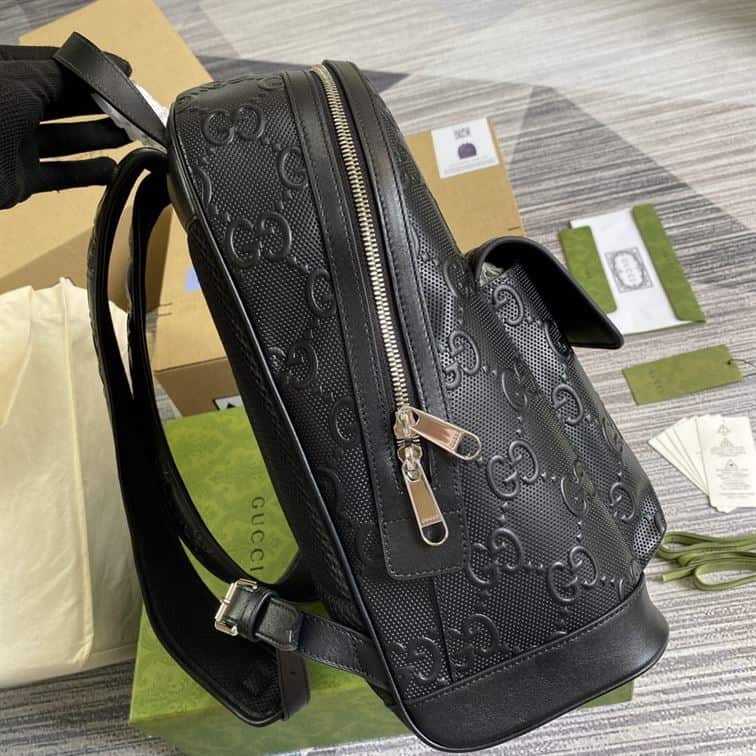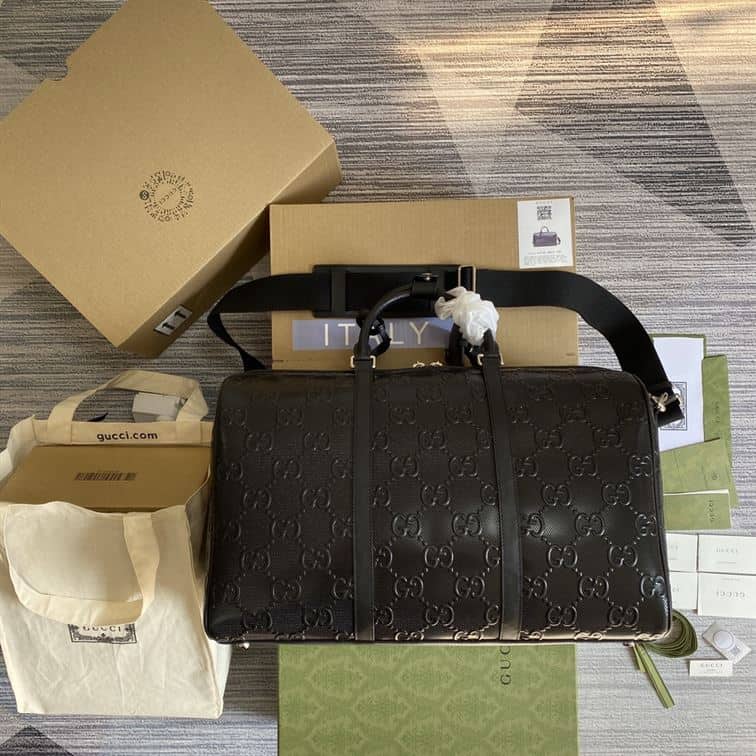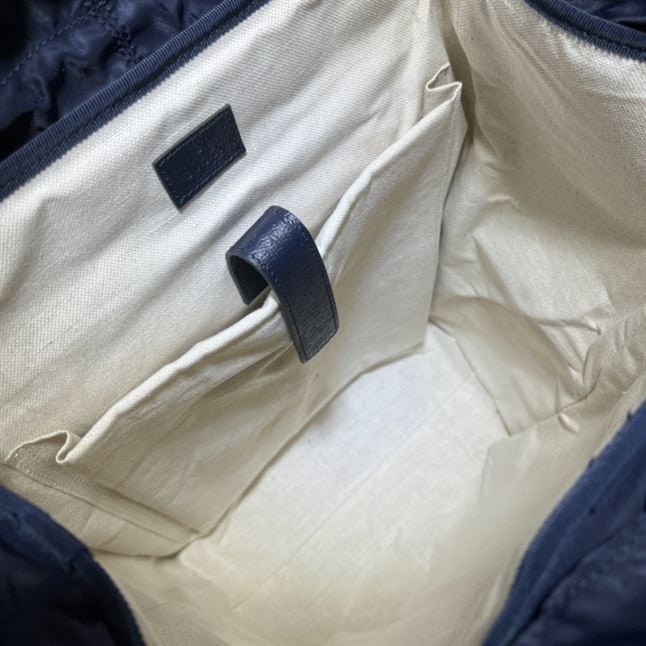
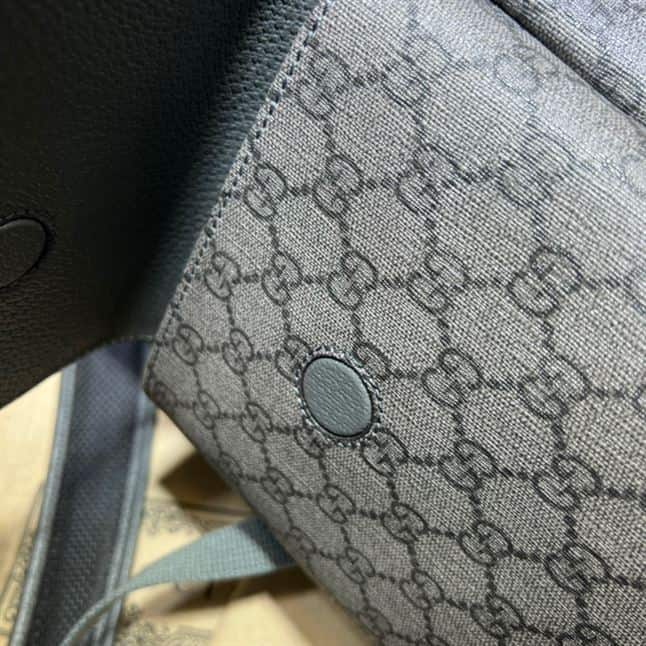
Content Menu
● What Does Designer Replica Quality Really Mean?
● Why Quality Claims Need Closer Inspection
● The Five Factors That Actually Determine Quality
>> 1. Material Selection and Specification Accuracy
>> 2. Construction Quality and Structural Reliability
>> 3. Proportion, Function, and Everyday Usability
>> 4. Finishing Standards and Detail Control
>> 5. Consistency Across Production Batches
● Designer Replica Quality vs. Original Design Quality
● A Professional Product Evaluation Checklist
● How Buyers Can Avoid Misleading Quality Claims
● Industry Insight: Why Transparency Is Becoming a Premium Feature
● What a Premium Supplier Should Provide
● Final Takeaway: Quality Is More Than Visual Similarity
● FAQ
>> 1. What does designer replica quality mean?
>> 2. Is “1:1 quality” a reliable product grade?
>> 3. How can I evaluate handbag quality before ordering?
>> 4. Which handbag materials feel most premium?
>> 5. Why is batch consistency important for wholesalers?
>> 6. What are the risks of selling unauthorized branded copies?
>> 7. What should a premium supplier disclose?
When people search for designer replica quality, they are often looking for more than a bag that resembles a famous design from a distance. They want to understand whether the materials, construction, proportions, comfort, finishing, and service experience can meet a consistent premium standard.
However, the phrase “designer replica” can cover very different products and supply practices. In fashion accessories, the factors that matter most are not a logo, a product photo, or a seller’s “1:1” claim. The real indicators are original design integrity, transparent materials, repeatable workmanship, lawful branding practices, and after-sales accountability.
For buyers, retailers, and sourcing professionals, this guide explains how to assess premium fashion quality responsibly. It also separates genuinely well-made, design-inspired products from goods that improperly copy protected branding, trademarks, or distinctive trade dress.
What Does Designer Replica Quality Really Mean?
“Designer replica quality” is commonly used online to describe products positioned as visually similar to luxury handbags, shoes, clothing, or accessories. Yet the term is not a reliable quality grade.
A product may be called “mirror quality,” “AAA,” “top grade,” or “1:1,” but these labels are not standardized. One factory may use “AAA” for genuine leather with reinforced edge paint, while another may use it for a synthetic leather item with a close-looking exterior but weak internal structure.
The wording alone does not prove quality.
For a professional buyer, quality should be measured through evidence:
- Material specifications
- Construction consistency
- Product measurements
- Hardware performance
- Fit and comfort testing
- Finishing details
- Batch-to-batch repeatability
- Clear product photography
- Supplier communication and return terms
- Respect for intellectual-property rights
The most useful question is not, “Does it look exactly like a luxury brand item?” It is:
Does this product deliver durable materials, careful construction, transparent specifications, and a distinctive identity that can be sold responsibly?
That question protects both the buyer and the long-term reputation of a retailer or supplier.
Why Quality Claims Need Closer Inspection
Premium fashion buyers increasingly compare products in detail. They inspect leather grain, lining, stitching, edge paint, zipper movement, strap attachment, heel stability, outsole grip, garment drape, and packaging quality.
At the same time, the global trade in counterfeit and pirated goods remains substantial. The OECD and EUIPO estimated that counterfeit and pirated goods represented approximately USD 467 billion in global trade in 2021, or 2.3% of worldwide imports. Clothing, footwear, leather goods, and electronics were among the product categories most affected.
This context matters because low-transparency supply chains can create serious risks for consumers, retailers, and marketplace sellers. Those risks include poor durability, inconsistent production, product seizures, customer disputes, intellectual-property complaints, and reputational damage.
A premium-looking product is not necessarily a premium-made product.
A responsible supplier should be able to explain:
- What material is used
- Where the material specification comes from
- How construction is controlled
- What quality checks occur before shipment
- Which design elements are original or lawfully licensed
- How the supplier handles defects and customer concerns
The Five Factors That Actually Determine Quality
1. Material Selection and Specification Accuracy
Materials are the foundation of handbag, shoe, apparel, and accessory quality. A product can have excellent photography but still disappoint if the leather feels plasticky, the lining pills, the hardware oxidizes, or the sole loses shape.
For handbags, buyers should evaluate:
| Component | What to Check | Why It Matters |
|---|---|---|
| Outer material | Full-grain leather, top-grain leather, coated canvas, microfiber, or synthetic material | Determines feel, aging, durability, and price positioning |
| Lining | Textile, microfiber, leather, or synthetic lining | Influences internal durability and user experience |
| Edge paint | Smoothness, flexibility, adhesion, cracking resistance | Weak edge paint can peel or crack quickly |
| Hardware | Weight, finish, corrosion resistance, engraving clarity | Hardware often reveals production quality |
| Thread | Tension, color match, abrasion resistance | Poor thread selection reduces structural durability |
| Adhesives | Odor, overflow, bonding strength | Excess glue signals weak process control |
For footwear, material assessment should include upper flexibility, lining breathability, insole cushioning, outsole traction, heel attachment, and adhesive durability.
For apparel, check fabric composition, fabric weight, shrinkage tolerance, colorfastness, seam reinforcement, zipper quality, and garment measurements.
Practical sourcing rule: Ask for a material sheet before placing a bulk order. It should identify the outer material, lining, hardware finish, dimensions, weight, and care requirements.
If a seller cannot clearly explain the material, avoid treating the item as premium quality.
2. Construction Quality and Structural Reliability
Construction is where premium products separate themselves from low-cost lookalikes.
A well-made handbag should retain its shape when carried. The handles should feel secure. The zipper should operate smoothly. Reinforced areas should be placed where the bag experiences stress, such as strap roots, corners, closure points, and internal pocket edges.
For shoes, construction quality affects comfort and safety. A shoe may look polished in photos but become painful or unstable after only a few wears if the heel attachment, outsole, or last shape is poorly engineered.
Key construction indicators include:
- Even and secure stitching
- Cleanly folded seams
- Reinforced stress points
- Stable bag bases and structured panels
- Smooth zipper operation
- Secure handle and strap attachments
- No glue overflow or sharp hardware edges
- Symmetrical assembly
- Consistent product dimensions
- No visible warping or distorted panels
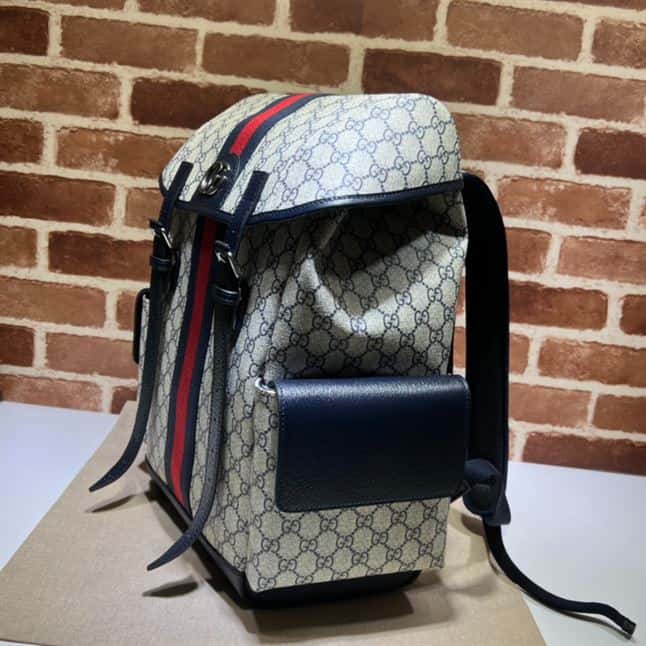
A helpful inspection method is the three-angle test:
- View the product from the front.
- View it from the side.
- View it from the base or underside.
This quickly reveals asymmetry, uneven shaping, poorly aligned handles, crooked closures, unbalanced heels, and weak edge finishing.
3. Proportion, Function, and Everyday Usability
A product can resemble an expensive accessory yet fail in real-world use. This is especially common in bags that look elegant in product images but have narrow openings, poor pocket layout, uncomfortable shoulder straps, or weak magnetic closures.
Premium design is not only visual. It is functional.
For handbags, assess:
- Opening width
- Interior capacity
- Pocket placement
- Strap adjustment range
- Shoulder comfort
- Closure security
- Bag weight
- Base protection
- Accessibility of everyday items
For shoes, assess:
- Toe-box space
- Arch support
- Heel balance
- Insole softness
- Break-in comfort
- Sole flexibility
- Slip resistance
For garments, assess:
- Shoulder fit
- Sleeve mobility
- Fabric drape
- Button placement
- Lining comfort
- Seam allowance
- Wash and care performance
A product that cannot be comfortably used is not high quality, regardless of how accurate its visual details appear.
4. Finishing Standards and Detail Control
Finishing creates the final impression of quality. It affects how a product feels in the hand, how it performs after repeated use, and whether customers perceive it as premium.
High-quality finishing is visible in small details:
- Smooth edge coating
- Consistent stitching spacing
- Clean thread trimming
- Polished hardware
- Accurate color matching
- Tight logo-free embossing where applicable
- Neat lining installation
- Odor-free interiors
- Balanced garment hems
- Symmetrical shoe panels
The difference between a strong product and a weak product is often found in these small areas.
For example, two black leather tote bags may use similar leather. One may feel premium because the handles are reinforced, the lining is fitted neatly, the edge paint is flexible, and the hardware has a consistent finish. The other may fail because the seams are uneven, the zipper scratches, and the handle edges crack after limited use.
This is why expert buyers inspect the finish, not only the face of the product.
5. Consistency Across Production Batches
For individual shoppers, one good sample may be enough. For wholesalers, retailers, dropshippers, and private-label buyers, one good sample is not enough.
The key question becomes:
Can the supplier reproduce the same quality at scale?
A mature production system should maintain consistency across colorways, sizes, and order quantities. This requires controlled material sourcing, trained production teams, standardized inspection points, and clear defect-handling procedures.
Ask suppliers the following questions:
- Can you provide a pre-production sample?
- What is the acceptable quality limit for defects?
- How do you inspect stitching, hardware, color, and dimensions?
- Are materials consistent across restocks?
- Can you provide real photos or videos from the current batch?
- What happens if a shipment contains defects?
- Can you create an original private-label version without protected branding?
- Are custom packaging, tags, or dust bags available for an original brand identity?
These questions help distinguish a production partner from a reseller who simply forwards catalog images.
Designer Replica Quality vs. Original Design Quality
The most sustainable premium-fashion strategy is to build high-quality products around original design, legally sourced materials, and transparent production standards.
| Evaluation Area | Unauthorized Branded Copy | Original or Lawfully Licensed Design |
|---|---|---|
| Brand identity | Uses or imitates protected names, marks, or trade dress | Uses original brand assets and design language |
| Legal exposure | High risk of takedowns, seizures, disputes, and loss | Lower risk when rights and permissions are clear |
| Long-term retail value | Difficult to build trust or resale value | Supports lasting brand development |
| Customization potential | Limited because the design depends on another brand | Strong potential for private label and differentiation |
| Marketplace suitability | Often restricted or prohibited | More compatible with mainstream sales channels |
| Customer confidence | Can be damaged by authenticity disputes | Improved by honest descriptions and support |
| Product positioning | Often dependent on imitation claims | Built around materials, function, and design quality |
The distinction is commercially important. A business that relies on copied marks or branding can face sudden disruption. In contrast, a supplier or retailer that develops original products can improve its catalog, pricing, customer loyalty, and marketing credibility over time.
The United States Patent and Trademark Office warns that counterfeit products may appear legitimate but are illegally manufactured and sold. It also advises buyers to consider seller legitimacy, product pricing, packaging quality, and authorized sales channels.
A Professional Product Evaluation Checklist
Before purchasing or listing a premium fashion item, use this checklist.
Visual Inspection
- Are the lines symmetrical?
- Do the colors match across panels?
- Is the shape balanced?
- Are the handles, straps, or heels aligned?
- Are there scratches, dents, stains, or glue marks?
- Does the product look consistent with the provided sample photos?
Material Inspection
- Does the material match the stated specification?
- Does the leather, textile, or synthetic surface have a consistent finish?
- Is there a strong chemical smell?
- Does the lining feel securely attached?
- Is the hardware smooth and corrosion-free?
Functional Inspection
- Do zippers, clasps, buckles, and snaps work smoothly?
- Are straps comfortable and securely attached?
- Does the item hold its intended shape?
- Does a shoe feel stable while walking?
- Are garment seams strong under light tension?
Commercial Inspection
- Is the item described honestly?
- Is the product free from unauthorized branding?
- Are materials and measurements clearly listed?
- Is there a clear quality-control process?
- Are return, exchange, and defect policies available?
How Buyers Can Avoid Misleading Quality Claims
The phrase “1:1 mirror quality” can create unrealistic expectations. No two factories, material lots, or manual processes produce identical outcomes. Buyers should be cautious when sellers promise perfection without supplying verifiable specifications.
Use these practical steps instead:
- Request current, unedited product images. Ask for front, back, side, interior, base, hardware, and close-up stitching images.
- Request a measurement chart. Check length, width, height, strap drop, shoe sizing, heel height, garment chest, sleeve, waist, and inseam measurements.
- Ask for material disclosure. Confirm whether the item uses genuine leather, split leather, bonded leather, microfiber, polyurethane, cotton, wool, or blended fabric.
- Order a sample first. For commercial sourcing, inspect a real sample before approving a bulk order.
- Compare several suppliers. Do not select a factory only because it uses the strongest marketing language.
- Evaluate after-sales support. A supplier’s response to defects is often more meaningful than its sales promise.
- Avoid unauthorized logos and marks. Build a catalog around original, licensed, or properly authorized products.
Industry Insight: Why Transparency Is Becoming a Premium Feature
Luxury shoppers once focused heavily on visible status markers. Today, many buyers also care about materials, origin, repairability, durability, and how honestly a product is marketed.
This shift creates an opportunity for suppliers that can communicate quality in specific terms.
Instead of saying:
“Best 1:1 luxury replica.”
A stronger and more responsible product description would say:
“Structured leather shoulder bag with microfiber lining, reinforced handle anchors, polished alloy hardware, protective feet, and a 12-month workmanship support policy.”
The second description gives the buyer real decision-making information. It also focuses attention on the product’s own value rather than on association with another brand.
Clear specifications build confidence because they are measurable.
What a Premium Supplier Should Provide
A reliable high-end fashion supplier should offer more than attractive catalog images. The supplier should make quality visible and verifiable.
Look for the following:
- Detailed material descriptions
- Clear product dimensions
- Real batch photos and videos
- Original or authorized design options
- Private-label development support
- Quality-control checkpoints
- Sample approval process
- Transparent lead times
- Secure packaging standards
- Defect-resolution policy
- Responsive communication
- Consistent restocking capability
For buyers seeking long-term cooperation, repeatable workmanship matters more than one impressive sample.
A supplier with mature production processes can deliver better results when it documents specifications, controls materials, and inspects products before shipment. That is the standard that matters for high-end handbags, footwear, apparel, and accessories.
Final Takeaway: Quality Is More Than Visual Similarity
Designer replica quality should never be judged by a marketing label alone. The factors that actually matter are material integrity, precise construction, functional design, finishing standards, production consistency, truthful product information, and responsible use of intellectual property.
For a buyer, the safest path is to choose products with a clear identity, transparent specifications, and reliable quality control. For a supplier, the strongest long-term business model is to create premium products that stand on their own merit rather than relying on another brand’s protected name or appearance.
Choose craftsmanship, clarity, and originality. Those are the qualities that create customer satisfaction, reduce sourcing risk, and support durable commercial growth.

FAQ
1. What does designer replica quality mean?
It is a marketing phrase often used for products that claim visual similarity to luxury fashion items. It is not an official quality standard. Buyers should evaluate actual materials, construction, finishing, and supplier transparency instead.
2. Is “1:1 quality” a reliable product grade?
No. “1:1,” “mirror quality,” and “AAA quality” are not standardized industry grades. Different sellers can use the same words for products with very different materials and workmanship.
3. How can I evaluate handbag quality before ordering?
Request clear photos, material specifications, dimensions, hardware close-ups, interior views, and a sample. Check stitching, edge paint, lining installation, zipper movement, strap reinforcement, and overall symmetry.
4. Which handbag materials feel most premium?
Full-grain and top-grain leather are commonly valued for durability and natural aging. High-quality microfiber and structured coated textiles can also perform well when the construction, lining, and edge finishing are carefully controlled.
5. Why is batch consistency important for wholesalers?
A wholesaler needs products to remain consistent across repeat orders. If color, materials, dimensions, or workmanship change between batches, the retailer may face returns, complaints, and damaged customer trust.
6. What are the risks of selling unauthorized branded copies?
Risks can include intellectual-property complaints, listing removals, product seizures, customer disputes, financial losses, and long-term reputational harm. Original or properly authorized designs offer a more sustainable path.
7. What should a premium supplier disclose?
A premium supplier should disclose material type, dimensions, construction features, quality-control process, production lead time, packaging details, and defect or return procedures.
References
1. OECD and EUIPO – “Mapping Global Trade in Fakes 2025: Global Trends and Enforcement Challenges” – Joint report on global counterfeit trade, its scale, product categories, and enforcement challenges. https://www.oecd.org/en/publications/mapping-global-trade-in-fakes-2025_94d3b29f-en.html
2. OECD – “Global Trade in Fake Goods Reached USD 467 Billion” – Press release summarizing the 2021 trade estimate, affected product categories, and risks to consumer safety and intellectual property. https://www.oecd.org/en/about/news/press-releases/2025/05/global-trade-in-fake-goods-reached-usd-467-billion-posing-risks-to-consumer-safety-and-compromising-intellectual-property.html
3. United States Patent and Trademark Office – “The Basics of Counterfeit Goods” – Overview of counterfeit goods and their implications under U.S. trademark law. https://www.uspto.gov/sites/default/files/documents/Basics%20of%20Counterfeit%20Goods.pdf
4. European Commission – “Counterfeiting and Consumer Protection” – Overview of EU policy on counterfeiting, organized crime, and consumer protection. https://home-affairs.ec.europa.eu/policies/internal-security/organised-crime/counterfeiting_en
5. European Union Intellectual Property Office – “Counterfeit and Pirated Trade Report” – EUIPO and OECD report on counterfeit and pirated trade. https://www.euipo.europa.eu/en/news/observatory/euipo-and-oecd-publish-a-report-on-counterfeit-and-pirated-trade
6. European Commission – “EU Detains 112 Million Counterfeit Items” – News on EU customs detentions of counterfeit items worth EUR 3.8 billion in 2024. https://taxation-customs.ec.europa.eu/news/european-union-detains-112-million-counterfeit-items-worth-eu38-billion-2024-2025-10-01_en
Hot Tags: Private Label Handbags, Leather Handbag Manufacturer, Custom Handbag Manufacturer, OEM Handbag Manufacturer, ODM Handbag Supplier, Wholesale Leather Bags, Luxury Handbag Wholesale, Custom Leather Goods, Private Label Fashion Accessories, High Quality Handbag Supplier