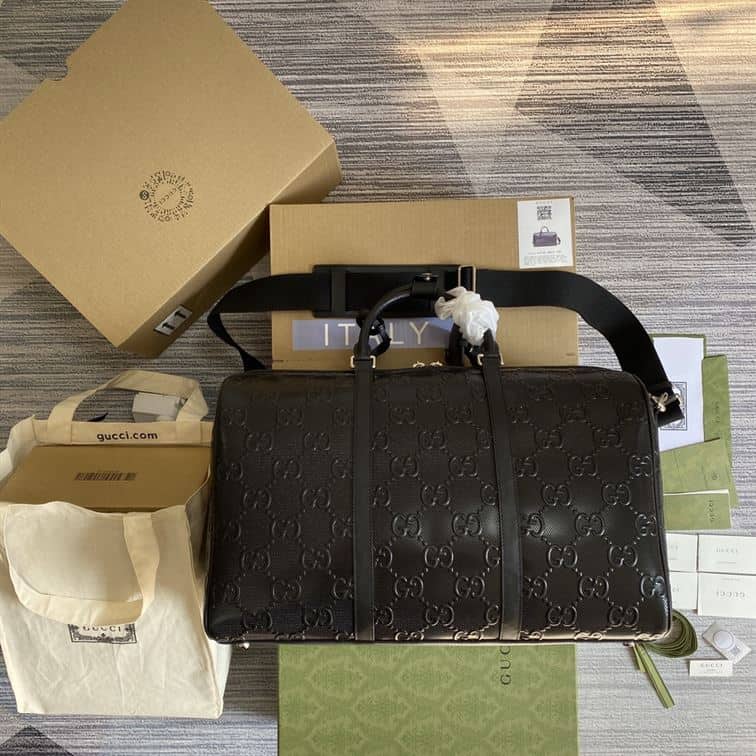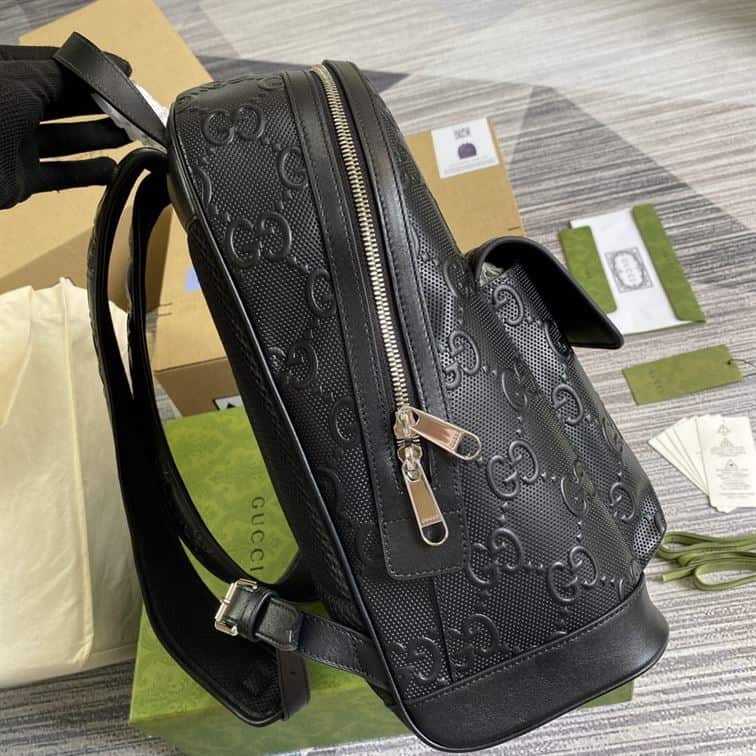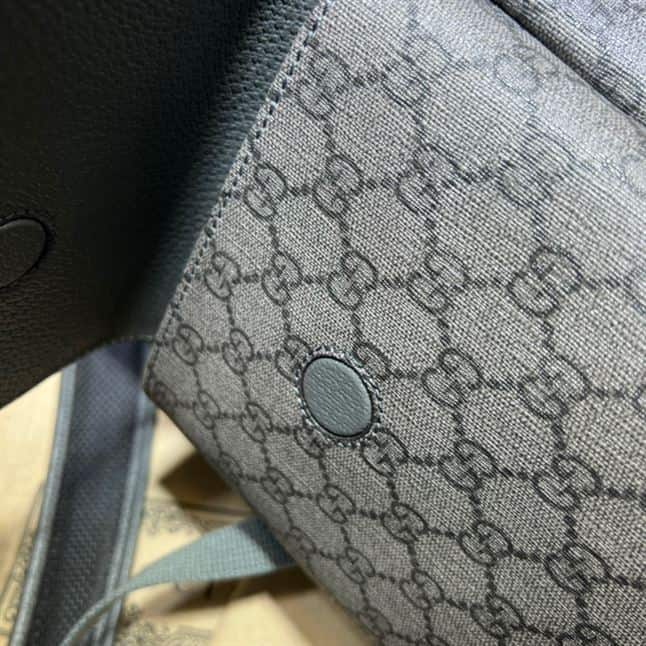
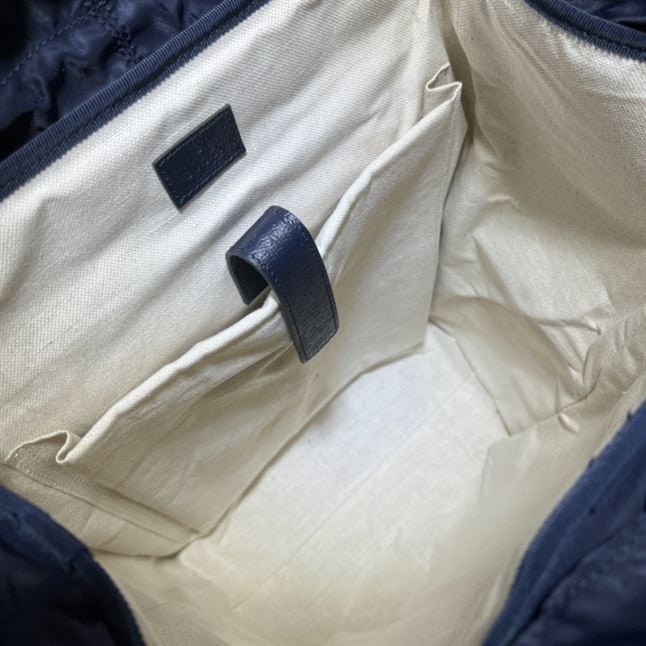
Content Menu
● Start With an Honest Definition of Quality
● The Main Replica Bag Quality Levels
● Entry-Level Replica Bags: What to Expect
● Mid-Tier Replica Bags: Better Materials, Uneven Consistency
>> The Mid-Tier Inspection Test
● Premium Craftsmanship: What Actually Separates It
>> Material Selection and Feel
>> Construction and Structural Integrity
>> Hardware Weight and Function
● How to Compare Different Quality Levels of Replica Bags Step by Step
>> 1. Compare Specifications Before Photos
>> 2. Review Factory Photos and Customer Photos Separately
>> 3. Examine the Bag’s Most Vulnerable Areas
>> 4. Match the Quality Tier to Your Purpose
● Red Flags When Comparing Sellers
● Responsible Purchasing and Brand Respect
● Final Checklist Before You Buy
● Make a Better Quality Comparison
● FAQs
>> 1. What are the main replica bag quality levels?
>> 2. How can I tell whether a bag has good stitching?
>> 3. Does heavier hardware always mean better quality?
>> 4. What should I ask a seller before buying a fashion-inspired bag?
>> 5. Why are customer photos important?
>> 6. What are the biggest warning signs of a low-quality bag?
>> 7. Is it safer to buy authentic luxury bags from authorized channels?
When people search for how to compare different quality levels of replica bags, they are often trying to separate marketing language from measurable craftsmanship. Terms such as “mirror quality,” “1:1 replica,” “premium replica,” and “top grade” are used inconsistently across the market, so the most reliable comparison is not a label—it is a structured review of materials, construction, proportions, hardware, finishing, and seller transparency.
At Luxurry Edit, our perspective is shaped by years of product manufacturing and quality evaluation. A well-made fashion-inspired bag should be judged as a product in its own right: how it feels, how it is constructed, how consistently it performs in daily use, and whether the seller clearly represents what the buyer will receive. This guide explains the practical differences between replica bag quality levels while emphasizing responsible purchasing, transparent product descriptions, and respect for intellectual-property rights.
Start With an Honest Definition of Quality
The phrase “replica bag quality” can mean very different things to different buyers. Some focus only on how closely a bag resembles a well-known luxury style. Others care more about leather quality, hardware durability, stitching precision, structure, comfort, or long-term use.
A useful comparison begins by separating two ideas:
- Design resemblance: How closely a product resembles the silhouette, color palette, proportions, trim placement, or visual mood of a particular reference style.
- Product quality: How well the bag is made, regardless of any reference design—materials, construction, finishing, durability, and usability.
These are not the same thing.
A bag can look convincing in a studio photo yet use low-grade coated material, thin reinforcement, weak edge paint, or plated hardware that fades quickly. Conversely, a well-crafted fashion-inspired bag can have excellent construction even if it does not attempt to reproduce protected logos, trademarks, or proprietary details.
For buyers, the practical question is not simply, “Is this a high-quality replica bag?” A better question is:
Does the product’s material, workmanship, construction, and after-sales support justify its price and intended use?
That approach leads to a more accurate purchasing decision.
The Main Replica Bag Quality Levels
There is no universal grading system across the market. A seller’s “AAA,” “top grade,” or “mirror quality” label may not mean the same thing as another seller’s label. Still, most products generally fall into several functional quality tiers.
| Quality Level | Typical Positioning | Materials | Construction | Best Use Case | Main Risk |
|---|---|---|---|---|---|
| Entry-level | Budget fashion accessory | PU, bonded material, low-cost canvas, light alloy | Simplified pattern work and basic lining | Occasional styling or trend testing | Short service life and inconsistent finishing |
| Mid-tier | Everyday fashion-inspired bag | Improved synthetic leather, split leather, coated canvas, better lining | More stable seams, reinforced stress points in some models | Regular use with realistic expectations | Quality may vary between batches |
| Premium craftsmanship | High-end fashion-inspired accessory | Full-grain or top-grain leather, stronger canvas, durable lining, better metal hardware | Detailed construction, cleaner finishing, controlled assembly | Buyers prioritizing materials and longevity | Must verify actual specifications, not labels |
| Brand-authentic product | Original item sold by the brand or authorized channel | Brand-controlled materials and components | Brand-controlled production and documentation | Buyers seeking provenance, warranty, and resale confidence | Higher purchase cost |
The most important point is that price alone does not establish quality. It may indicate better materials or more complex labor, but only a close inspection of specifications and workmanship can confirm whether the value is real.
Entry-Level Replica Bags: What to Expect
Entry-level replica bags are commonly designed for low initial cost. They may be visually appealing in photos, but their quality limits tend to appear through touch and use.
Typical characteristics include:
- Synthetic leather with a plastic-like surface
- Thin or loosely attached interior lining
- Lightweight hardware with uneven plating
- Basic machine stitching with variable tension
- Less accurate shaping around corners, handles, and gussets
- Strong adhesive odor or chemical smell after unpacking
- Minimal reinforcement at handle bases and strap anchors
- Packaging designed mainly for appearance rather than protection
These bags may work for short-term styling, costume use, content production, or experimenting with a silhouette before investing in a more durable alternative. However, they are generally not suitable for frequent heavy carrying.
A common warning sign is unrealistic visual perfection at an extremely low price. If the listing claims premium leather, hand-finished details, heavy hardware, complex construction, and luxury-level packaging for a price that would not plausibly cover those inputs, buyers should request clear product details before ordering.
The FTC advises online shoppers to examine full product descriptions, compare details such as specifications and shipping costs, read reviews across multiple sources, and be wary when expensive branded goods are offered at unusually low prices.
Mid-Tier Replica Bags: Better Materials, Uneven Consistency
Mid-tier products often represent the largest and most confusing category. They may look significantly better than entry-level bags and use improved materials, but quality control can differ by factory, batch, colorway, or production period.
A mid-tier bag may include:
- Higher-density coated canvas or microfiber material
- Better-quality synthetic leather or split leather components
- More substantial zipper pulls and clasps
- Cleaner stitching on visible exterior panels
- Improved interior organization and lining
- More accurate proportions and panel placement
- More secure handle attachments than entry-level products
However, buyers should inspect the bag beyond the front-facing photo. The most revealing areas are usually the corners, underside, interior seams, strap edge paint, zipper tape, logo-free hardware joints, and handle bases.
The Mid-Tier Inspection Test
Before purchasing, ask for close-up photos or videos showing:
- The four bottom corners
Look for clean folding, even piping, and no exposed adhesive. - The handle roots or strap anchors
These are high-stress areas. The stitching should be dense, balanced, and reinforced. - The interior lining and pocket edges
A high-quality lining should sit flat, with neat seams and no loose threads. - The zipper in motion
Ask for a short video. The zipper should travel smoothly without catching, bending, or pulling the lining. - The hardware finish under natural light
Uneven plating, sharp edges, flaking, or rough casting are signs of lower-quality components. - The bag’s shape when empty
A structured bag should retain its intended silhouette. A bag that collapses unexpectedly may lack internal reinforcement.
This tier can offer good value when a seller provides accurate material descriptions, consistent factory photography, transparent return terms, and responsive communication.

Premium Craftsmanship: What Actually Separates It
A premium fashion-inspired bag is not defined by a dramatic marketing claim. It is defined by repeatable manufacturing discipline.
At Luxurry Edit, premium quality evaluation begins with the production process, not the final photograph. Strong results depend on material sourcing, cutting precision, edge treatment, assembly sequencing, reinforcement, final inspection, and packaging protection.
Material Selection and Feel
Materials should be assessed through several senses, not just appearance.
Leather or leather-like material: A quality surface should feel supple, balanced, and appropriate for the intended design. It should not feel overly glossy, excessively thin, sticky, brittle, or heavily plasticized.
Canvas or coated fabric: Patterns should remain stable across panels. The surface should resist wrinkling, cracking, and uneven print saturation during normal handling.
Lining: A durable lining should be smooth, securely sewn, and proportionate to the bag’s price level. Cheap lining often bunches, frays, or separates at pocket edges.
Edge paint: This is one of the clearest craftsmanship indicators. Good edge paint is even, flexible, and layered without thick blobs, cracks, gaps, or sharp ridges.
Authentication specialists commonly evaluate material feel, leather density, construction quality, hardware, stitching, and finishing when distinguishing authentic luxury goods from inferior products.
Construction and Structural Integrity
Premium workmanship is especially visible where materials meet.
Look for:
- Consistent seam allowance across panels
- Straight, evenly spaced stitching
- Proper reinforcement at handles and strap anchors
- Smooth piping and clean corner turns
- Balanced gussets that open evenly
- Symmetrical handles with comparable drop length
- A bag base that sits level on a flat surface
- Interior compartments that do not distort the outer shape
A useful real-world test is to place everyday items inside the bag: phone, compact wallet, keys, glasses case, small notebook, and charger. The bag should maintain its structure, close properly, and remain comfortable to carry.
Hardware Weight and Function
Hardware is often the fastest way to identify a difference between quality levels.
Premium hardware should have:
- A solid feel appropriate to its size
- Smooth edges without sharp burrs
- Clean and even plating
- Consistent tone across all components
- Secure attachment points
- Zippers that move smoothly
- Clasps that close with controlled resistance
Do not judge hardware only by weight. Extremely heavy hardware can be uncomfortable and may strain thin leather or weak handle anchors. The better standard is functional balance: durable, well-finished, and proportionate to the construction.
How to Compare Different Quality Levels of Replica Bags Step by Step
The following process helps buyers compare products more objectively.
1. Compare Specifications Before Photos
Photos can be edited, color-corrected, or taken from a single ideal angle. Ask for written details first.
Request:
- Exterior material
- Interior material
- Hardware material and finish
- Product dimensions
- Strap length and adjustability
- Bag weight
- Closure type
- Production lead time
- Quality-control process
- Return or dispute policy
A seller who can clearly explain these points is generally more reliable than one who only repeats terms such as “best quality” or “factory grade.”
2. Review Factory Photos and Customer Photos Separately
Factory photos show intended presentation. Customer photos show how the product appears in normal lighting and after shipping.
Compare:
- Shape retention
- Material texture
- Color consistency
- Corner construction
- Hardware tone
- Stitching neatness
- Scale when carried
- Packaging condition on arrival
Do not rely on a single review. Look for a pattern across several independent posts or customer images.
3. Examine the Bag’s Most Vulnerable Areas
The front panel is rarely where quality failures begin. Focus on stress points:
- Handle roots
- Strap clips
- Bottom corners
- Zipper ends
- Interior pocket seams
- Magnetic closures
- Edge-painted handles
- Metal feet
- Side gussets
A bag with attractive front-facing details but weak stress-point construction may fail quickly under everyday use.
4. Match the Quality Tier to Your Purpose
Different buyers need different outcomes.
| Buyer Priority | Most Relevant Quality Factors |
|---|---|
| Daily commuting | Reinforced handles, durable lining, strong zipper, comfortable strap |
| Occasional event use | Shape, finish, color accuracy, lightweight construction |
| Travel | Secure closure, scratch resistance, practical organization, stable hardware |
| Gift purchasing | Packaging, quality consistency, clear specifications, return terms |
| Content creation | Visual texture, structure, color accuracy, photography under natural light |
| Long-term use | Material durability, edge finishing, hardware attachment, repairability |
The “best” option is not always the most expensive option. It is the one that reliably meets the demands of its intended use.
Red Flags When Comparing Sellers
Quality comparison also requires evaluating the seller, not only the product.
Be cautious when a seller:
- Uses only heavily edited images
- Refuses to share real product photos or videos
- Cannot state the bag’s material composition
- Makes absolute quality claims without evidence
- Provides no clear shipping timeline
- Has no return, refund, or dispute process
- Requests unusual payment methods with no buyer protection
- Uses inconsistent product names, dimensions, or photos
- Promises branded authenticity without authorized proof
- Pressures buyers to make a fast payment
The Office of the Comptroller of the Currency identifies unusually low prices, unusual payment requests, lack of company information, missing return policies, misleading descriptions, and non-delivery as important warning signs in consumer product fraud.
A transparent seller should make it easier—not harder—to understand the item’s actual materials, workmanship, lead time, and purchasing terms.
Responsible Purchasing and Brand Respect
It is important to distinguish between appreciating a luxury-inspired aesthetic and purchasing goods that use another company’s trademarks, logos, or protected identifiers without authorization.
Authentic goods purchased through official boutiques or authorized retailers provide the strongest confidence in provenance, warranty coverage, brand documentation, and resale support. For pre-owned luxury purchases, independent authentication and transparent seller documentation can reduce risk.
Counterfeit trade remains a significant global issue. The OECD and EUIPO reported that counterfeit goods represented an estimated USD 467 billion in global trade in 2021, with clothing, footwear, and leather goods among the sectors most affected by seizures.
For consumers and businesses, the practical takeaway is simple: choose suppliers that present products honestly, avoid misleading claims, and respect intellectual-property boundaries. A high-quality fashion product should earn confidence through materials, workmanship, transparency, and customer service—not through imitation of protected branding.
Final Checklist Before You Buy
Use this checklist to compare different quality levels of replica bags in a practical and repeatable way:
- Confirm the exact exterior and lining materials
- Request close-up photos of corners, handles, stitching, and hardware
- Check whether the bag holds its shape when empty
- Ask how handles and straps are reinforced
- Inspect edge paint for smoothness and flexibility
- Verify zipper movement and clasp function through video
- Compare factory photos with independent customer photos
- Review dimensions, weight, and carrying capacity
- Read shipping, return, and dispute terms before payment
- Avoid sellers making unverifiable claims about branded authenticity
- Choose a product that matches your actual use case
- Prioritize transparent sourcing and accurate product representation
Make a Better Quality Comparison
The most effective way to compare different quality levels of replica bags is to move beyond labels. Evaluate the material, pattern accuracy, structural construction, finishing, hardware, usability, seller transparency, and after-sales support.
A well-made luxury-inspired bag should feel considered at every touchpoint—from the consistency of its stitches to the smooth action of its zipper, the balance of its handles, and the protection provided during shipping. At Luxurry Edit, we believe that dependable craftsmanship begins with clear specifications, disciplined production, and careful quality control.
Explore Luxurry Edit’s fashion-inspired bag collection with a focus on material clarity, construction details, and consistent quality standards. Choose a design that fits your lifestyle, and evaluate every product using the practical criteria in this guide.

FAQs
1. What are the main replica bag quality levels?
The most common categories are entry-level, mid-tier, premium craftsmanship, and brand-authentic products. Because labels are not standardized, buyers should compare actual materials, stitching, hardware, structure, and seller policies rather than relying only on terms such as “AAA” or “mirror quality.”
2. How can I tell whether a bag has good stitching?
Look for straight stitch lines, even spacing, consistent thread tension, clean corners, and no loose threads. Pay special attention to handles, strap anchors, interior pockets, and bag corners because these areas experience the most stress.
3. Does heavier hardware always mean better quality?
No. Good hardware should feel solid, smoothly finished, securely attached, and proportionate to the bag. Excessive weight can strain the bag’s construction, while lightweight hardware can still perform well if it is properly engineered and securely fitted.
4. What should I ask a seller before buying a fashion-inspired bag?
Ask about exterior and lining materials, dimensions, bag weight, hardware finish, factory photos, real product videos, production time, shipping method, return terms, and quality-control procedures. Specific answers are more useful than general quality claims.
5. Why are customer photos important?
Customer photos reveal how a bag looks in ordinary lighting, after shipment, and in real use. They can help you judge shape retention, color, scale, hardware tone, material texture, and finishing more accurately than highly edited product photography.
6. What are the biggest warning signs of a low-quality bag?
Common warning signs include uneven stitching, chemical odor, peeling edge paint, weak handle attachments, rough hardware, thin lining, exposed adhesive, distorted shape, inaccurate dimensions, and a seller who cannot provide clear specifications or return terms.
7. Is it safer to buy authentic luxury bags from authorized channels?
Yes. Official boutiques and authorized retailers provide the strongest assurance of provenance, original product documentation, brand-controlled quality, warranty coverage, and customer support. For pre-owned purchases, use reputable sellers and independent authentication when appropriate.
References
1. OECD – “Mapping Global Trade in Fakes 2025” – Joint OECD/EUIPO report on global counterfeit trade, its scale, product categories, and enforcement challenges. https://www.oecd.org/en/publications/mapping-global-trade-in-fakes-2025_94d3b29f-en.html
2. OECD – “Global Trade in Fake Goods Reached USD 467 Billion” – Press release summarizing the 2021 trade estimate, affected product categories, and risks to consumer safety and intellectual property. https://www.oecd.org/en/about/news/press-releases/2025/05/global-trade-in-fake-goods-reached-467-billion-posing-risks-to-consumer-safety-and-compromising-intellectual-property.html
3. Federal Trade Commission – “Online Shopping Consumer Advice” – Consumer guidance on comparing products, checking sellers, payment, returns, and keeping purchase records. https://consumer.ftc.gov/articles/online-shopping
4. Office of the Comptroller of the Currency – “Consumer Product and Retail Fraud” – Guidance on recognizing and reporting consumer product and retail fraud. https://www.occ.gov/topics/consumers-and-communities/consumer-protection/fraud-resources/consumer-product-and-retail-fraud.html
5. Real Authentication – “Why Bag Authentication Matters in the Luxury Market” – Discussion of the value and importance of handbag authentication in the luxury resale market. https://realauthentication.com/the-value-of-authenticity-why-bag-authentication-matters-in-the-luxury-market/
6. EUIPO – “Trade in Counterfeit and Pirated Goods” – Study on the economic impact of counterfeit and pirated goods. https://euipo.europa.eu/tunnel-web/secure/webdav/guest/document_library/observatory/documents/Mapping_the_Economic_Impact_study/Mapping_the_Economic_Impact_en.pdf
7. Qollateral – “Authenticate Luxury Bags and How to Spot a Fake” – Practical guidance on authenticating luxury bags and identifying counterfeits. https://qollateral.com/collateral-resources/authentic-luxury-bags/
Hot Tags: Replica Bags, Wholesale Replica Bags, Replica Bag Supplier, High Quality Replica Bags, Replica Handbag Manufacturer, Luxury Inspired Bags, Custom Handbag Manufacturing, OEM Handbag Supplier, Private Label Handbags, Wholesale Fashion Bags