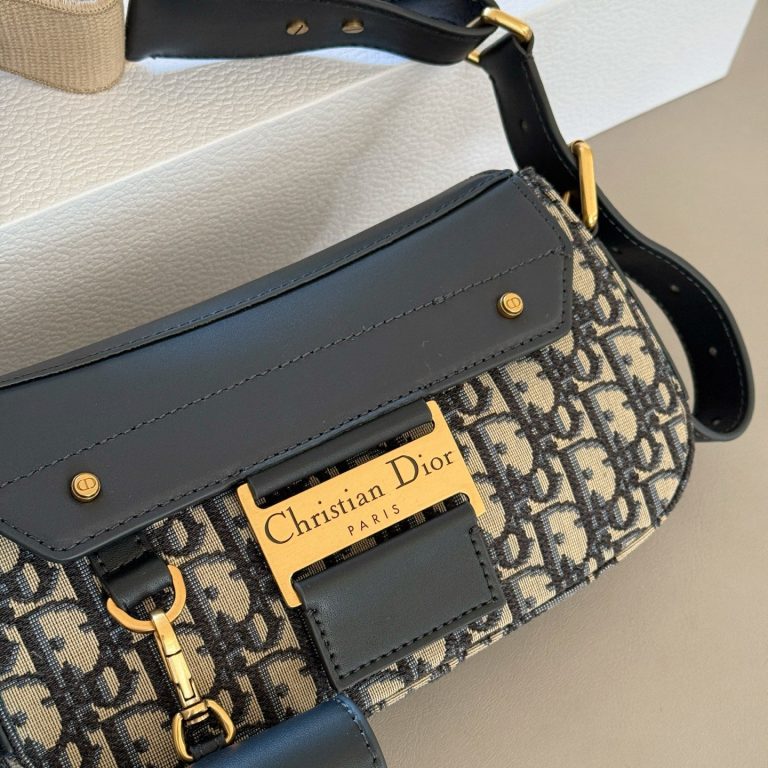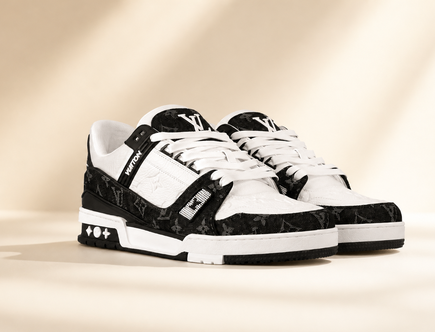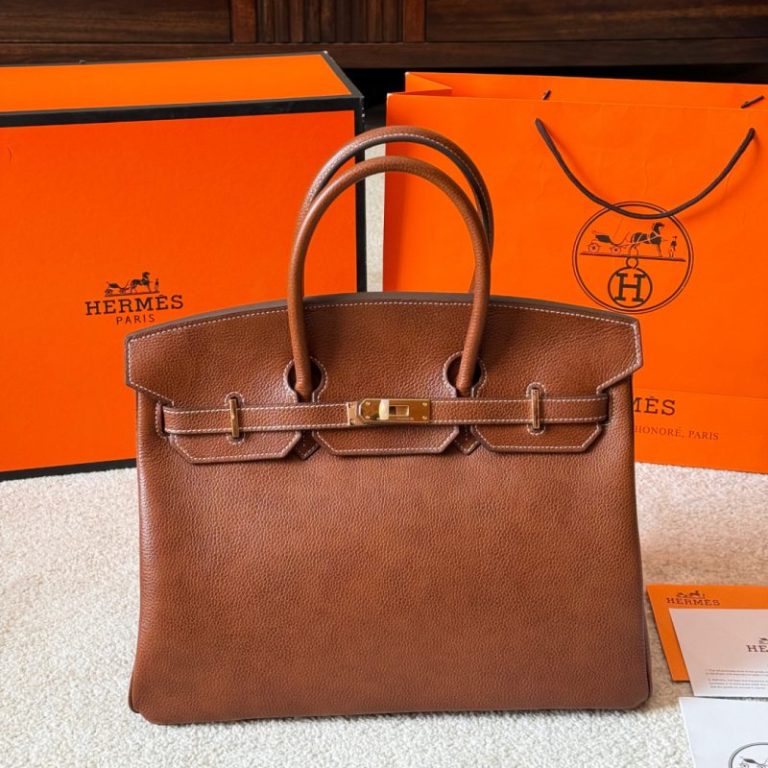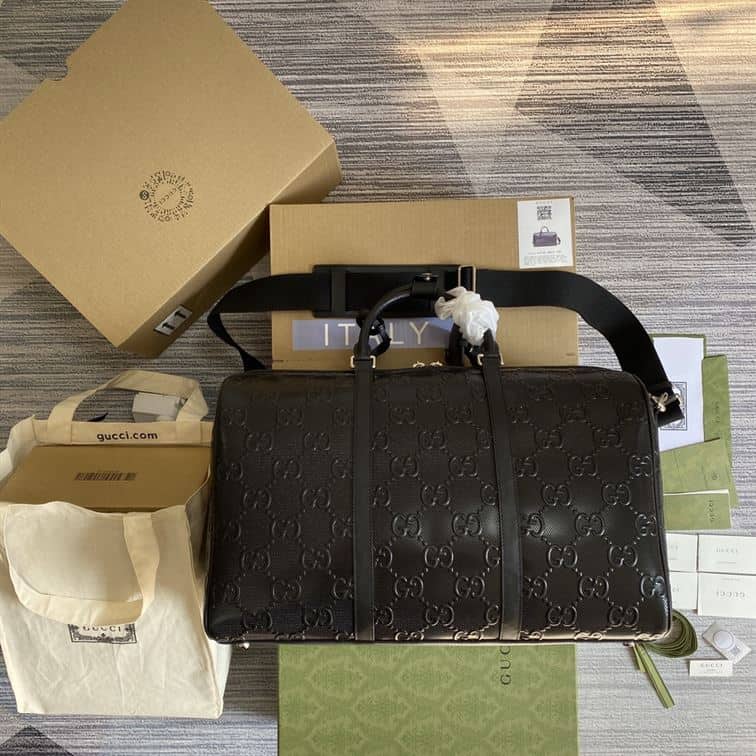
Content Menu
● Real Leather vs PU Leather Replica Bags: Quick Comparison
● What Are Real Leather and PU Leather?
>> Real Leather: The Hide, Grain, and Finish Matter
>> PU Leather: A Manufactured Material System
● Appearance and Feel: Which Looks More Convincing?
>> Real Leather Offers Character, Not Automatic Accuracy
>> PU Leather Offers Consistency
● Durability: Which Material Handles Daily Use Better?
>> Real Leather Can Be a Strong Long-Term Choice
>> PU Leather Requires Attention to Coating Stability
● An Expert Buying Insight: Test Results Need Context
● Water Resistance, Cleaning, and Storage
● Price and Value: Compare Cost per Wear
● Sustainability: Neither Label Tells the Whole Story
>> Real Leather Has Production Impacts
>> PU Leather Has Different Trade-Offs
● A Practical Inspection Checklist Before Ordering
>> 1. Request Component-Level Material Details
>> 2. Ask for Unfiltered Close-Ups
>> 4. Confirm Dimensions and Weight
>> 5. Review the Written Remedy
● How Luxurry Edit Buyers Can Make a Better Choice
>> Is Real Leather Always Better Than PU Leather?
>> Do All PU Leather Bags Peel?
>> Can Real Leather Bags Peel Too?
>> How Can I Tell Real Leather from PU Leather Online?
>> Which Material Is Better for a Frequently Used Bag?
When comparing real leather vs PU leather replica bags, material quality matters more than a convincing product photo. Real leather is generally the stronger choice for buyers who value natural texture, repair potential, and attractive aging. PU leather can be a practical alternative for lower upfront cost, a uniform appearance, and an animal-free exterior—provided its composition is clearly disclosed.
My recommendation is to compare the finished bag, not simply the material label. A carefully constructed PU bag may serve its purpose better than a poorly assembled leather one.
For Luxurry Edit customers, the useful question is therefore not just “Which material looks more luxurious?” It is “Which material, construction, and care requirements fit how I will actually use this bag?”
Real Leather vs PU Leather Replica Bags: Quick Comparison
The following differences describe common tendencies, not guarantees for every product.
| Comparison Point | Real Leather Bags | PU Leather Bags |
|---|---|---|
| Composition | Tanned animal hide or skin | Polyurethane-based surface, commonly over textile backing |
| Appearance | Natural variation or a corrected, embossed finish | Usually consistent color and grain |
| Feel | Varies from soft and supple to firm | Varies with coating, backing, and thickness |
| Aging | Some finishes develop patina | Coatings may crack, peel, or separate |
| Moisture exposure | Can stain, stiffen, or develop mold | Surface may resist splashes; moisture can still affect construction |
| Repair potential | Some scratches and finish damage are treatable | Widespread coating failure is difficult to restore |
| Upfront price | Often higher | Often lower |
| Best fit | Frequent use and buyers who appreciate natural character | Budget-conscious or animal-free-material preferences |
Neither material establishes brand authenticity, authorization, or equivalence to an original designer product.
What Are Real Leather and PU Leather?
Real Leather: The Hide, Grain, and Finish Matter
Real leather is animal hide or skin stabilized through tanning. However, “real leather” covers materials with substantially different surfaces and performance.
Common descriptions include:
- Full-grain leather: retains the natural grain surface without corrective sanding.
- Corrected-grain leather: has a surface modified to reduce imperfections, often followed by finishing or embossing.
- Split leather: comes from the lower portion of a hide after separation from the grain layer.
- Coated leather: combines a leather substrate with a surface coating.
These terms describe different aspects of the material. They should not be treated as a simple, universal quality ladder.
For example, a corrected finish may suit a structured handbag that needs consistent color. A less-covered natural surface may appeal to someone who enjoys visible character.
PU Leather: A Manufactured Material System
PU leather generally refers to a polyurethane-based synthetic surface supported by a backing material.
Its performance depends on the complete construction: the polyurethane formulation, coating thickness, backing, adhesion, and finishing process.
Importantly, a PU surface does not always mean the substrate is entirely synthetic. Some coated materials incorporate leather underneath. Ask whether the product is textile-backed PU, coated split leather, or another composite.
“Vegan leather” also needs clarification. An animal-free exterior does not automatically establish that every adhesive, lining, or trim component is animal-free.
Appearance and Feel: Which Looks More Convincing?
Real Leather Offers Character, Not Automatic Accuracy
Real leather can provide natural variation, dimensional grain, and a distinctive response to handling. Depending on its finish, it may soften or develop patina with use.
However, natural leather is not automatically the closest visual match to a reference design.
Leather selection, embossing depth, surface sheen, panel thickness, and color all affect the result. The wrong leather can create an overly rigid body or a silhouette that collapses too easily.
I would prioritize the finished bag’s proportions and surface behavior over a generic “premium leather” description.
PU Leather Offers Consistency
PU can reproduce a controlled texture and color across multiple panels. This consistency is useful for uniform finishes and certain fashion-led designs.
Its limitations may become more noticeable around folds, handles, and heavily flexed areas. Depending on the formulation, the surface may crease differently from leather or look unusually glossy.
Neither appearance nor smell proves composition. Modern finishes can obscure natural characteristics, and scent can come from coatings, adhesives, packaging, or added fragrance.
Durability: Which Material Handles Daily Use Better?
Real Leather Can Be a Strong Long-Term Choice
Well-selected leather can tolerate repeated handling and may offer useful restoration options. Nevertheless, it remains vulnerable to abrasion, stains, unsuitable cleaning products, and environmental damage.
A leather bag can also fail because its handles, seams, lining, or hardware are poorly constructed.
For daily use, inspect:
- Reinforcement around strap attachments.
- Stitch placement near panel edges.
- Handle construction and flexibility.
- Edge finishing at bends.
- Zipper operation and lining attachment.
The exterior material is only one part of durability.
PU Leather Requires Attention to Coating Stability
Certain polyurethane materials are vulnerable to hydrolysis: chemical breakdown involving moisture. Heat and humidity can contribute to deterioration.
Possible symptoms include cracking, flaking, tackiness, or separation between the coating and backing.
This does not mean every PU bag will peel quickly. Formulations and manufacturing quality differ substantially. It does mean that a smooth, attractive surface at purchase is not sufficient evidence of long-term performance.
Avoid universal claims such as “all PU lasts two years” or “real leather lasts forever.” Neither statement accounts for construction, storage, climate, and use.
An Expert Buying Insight: Test Results Need Context
A useful question for a supplier is: “What evidence supports this material’s durability?”
Relevant assessments may include coating adhesion, flexing behavior, color transfer, and polyurethane hydrolysis resistance.
However, a laboratory result only becomes meaningful when the test method, conditions, specimen, and acceptance criteria are identified.
For example, accelerated hydrolysis testing exposes coated fabrics to controlled heat and humidity. An important limitation is that weeks under test do not translate directly into years of handbag use.
When reviewing a report, check:
- Does it identify the material used in the actual product?
- Does it show the test method and conditions?
- Is the report complete rather than a cropped screenshot?
- Does it cover the material alone or the finished bag?
- Can the supplier explain what the result does—and does not—demonstrate?
This approach is more informative than an unsupported “1:1 quality” promise.
Water Resistance, Cleaning, and Storage
Real Leather Bag Care
Follow instructions appropriate to the specific finish. Suede, aniline leather, and heavily coated leather should not receive identical treatment.
For routine handling:
- Remove loose dust with a soft cloth.
- Blot accidental moisture rather than rubbing aggressively.
- Dry naturally, away from direct heat.
- Store with gentle internal support.
- Avoid damp, poorly ventilated spaces.
Do not assume every leather needs conditioner. An unsuitable dressing can alter color, leave residue, or affect the finish. Test any recommended product on a concealed area first.
PU Leather Bag Care
Many PU surfaces can be wiped clean, but the supplier’s instructions should take priority.
Avoid soaking the bag, scrubbing damaged areas, or applying products intended to penetrate natural leather. A conditioner cannot restore a synthetic coating that has structurally deteriorated.
Keep both materials away from prolonged heat and damp storage. A water-resistant exterior also does not make a bag waterproof: seams, zippers, edges, and linings remain possible entry points.
Price and Value: Compare Cost per Wear
PU leather bags often have a lower purchase price, while leather versions frequently cost more. Whether the difference represents good value depends on actual use.
Consider this illustrative example, not a market-price benchmark:
| Hypothetical Bag | Purchase Price | Actual Uses | Cost per Use |
|---|---|---|---|
| Real leather bag | $240 | 240 | $1.00 |
| PU leather bag | $90 | 45 | $2.00 |
The leather option offers better value in this scenario. But a $90 PU bag used 180 times would cost $0.50 per use.
The lesson is not that one material always wins. It is that purchase price alone cannot establish value.
Include delivery, maintenance, repair availability, and return conditions in your comparison. Do not assume replica products retain resale value or receive servicing from the original brand.
Sustainability: Neither Label Tells the Whole Story
Real Leather Has Production Impacts
Leather assessment should consider hide sourcing, tanning, energy, water, chemical management, finishing, and usable life.
Research on tannery production shows that environmental impacts vary by process and impact category. “Natural” therefore does not automatically mean environmentally preferable.
PU Leather Has Different Trade-Offs
Conventional PU is a synthetic polymer. An animal-free material choice can address animal-use concerns without eliminating production impacts or end-of-life challenges.
Similarly, “water-based,” “recycled,” and “bio-based” describe particular attributes. None independently proves that a finished bag has a lower total environmental footprint.
My practical preference is for specific disclosure over broad green claims. Ask what the material contains, which components a claim covers, and what supporting documentation is available.
A product that meets your needs and remains useful is preferable to repeated purchases driven by disappointing performance.
A Practical Inspection Checklist Before Ordering
Use this process when comparing real leather and PU leather replica bags online.
1. Request Component-Level Material Details
Ask separately about the exterior, handles, trim, lining, backing, and reinforcement. “Leather bag” may not describe every component.
2. Ask for Unfiltered Close-Ups
Request images of corners, handle roots, strap attachments, edge paint, stitching, and interior seams.
These areas reveal more than a carefully styled front view.
3. Watch the Bag Move
A short video can show opening, closing, strap adjustment, zipper travel, and how the body responds to gentle handling.
It cannot prove long-term durability, but it helps assess function.
4. Confirm Dimensions and Weight
Check whether your essentials fit and whether the empty bag is comfortable. Material thickness, lining, and hardware all influence weight.
5. Review the Written Remedy
Establish what happens if the delivered material differs from its description or a coating defect appears. Clear terms are more useful than vague reassurance.
How Luxurry Edit Buyers Can Make a Better Choice
Luxurry Edit’s stated focus on manufacturing consistency and detailed craftsmanship makes material transparency particularly relevant.
The strongest support for those claims would be clear specifications, representative product images, consistent inspection criteria, and written after-sales terms—not simply repeated descriptions of “mirror quality.”
A material comparison also needs a clear boundary: resemblance to a designer product does not establish its authenticity or authorization.
Before selecting a Luxurry Edit bag, request a written material breakdown, close-up construction images, care guidance, and applicable return conditions. Choose the option whose documented characteristics match your routine, rather than the one with the strongest luxury wording.

Frequently Asked Questions
Is Real Leather Always Better Than PU Leather?
No. Real leather often suits buyers seeking natural character and repair potential. PU may better suit a lower budget or an animal-free-material preference. Construction and disclosure remain essential.
Do All PU Leather Bags Peel?
No. Formulation, coating adhesion, environment, and handling affect performance. However, some polyurethane coatings can deteriorate through hydrolysis or other aging processes, making durability evidence worthwhile.
Can Real Leather Bags Peel Too?
Yes. A leather substrate may have a coating or finish that cracks or separates. Surface peeling does not, by itself, identify the underlying material.
How Can I Tell Real Leather from PU Leather Online?
Request a written composition statement and supporting product information. Photos, grain patterns, smell descriptions, and seller terminology are not reliable substitutes for disclosure. Avoid destructive flame or scratch tests.
Is PU Leather Waterproof?
Not necessarily. The surface may resist light splashes, but seams, edges, zippers, and backing can still admit moisture. Treat waterproof claims as product-specific statements requiring evidence.
Which Material Is Better for a Frequently Used Bag?
Well-constructed leather is often a sensible choice when natural aging and maintenance suit the owner. A well-specified PU bag can also be practical. Compare the complete bag, intended load, environment, and available support.
References
1. Federal Trade Commission. “Leather Guides.” Official guidance addressing representations about leather and imitation-leather composition. https://www.ftc.gov/legal-library/browse/rules/leather-guides
2. Federal Trade Commission. “FTC Announces Streamlined Guidelines for the Marketer of Leather and Imitation Leather Goods.” October 3, 1996. Explains disclosures for imitation materials, backing, and bonded leather. https://www.ftc.gov/news-events/news/press-releases/1996/10/ftc-announces-streamlined-guidelines-marketer-leather-imitation-leather-goods
3. Leather Naturally. “Guide to Leather Terminology.” Industry terminology covering full-grain and split leather. https://www.leathernaturally.org/wp-content/uploads/2023/02/LN_FactSheet_Guide_Leather_Terminology.pdf
4. Canadian Conservation Institute. “Caring for Leather, Skin and Fur—Preventive Conservation Guidelines for Collections.” Supports the discussion of moisture, physical stress, and environmental deterioration; museum guidance is not a substitute for product-specific care instructions. https://www.canada.ca/en/conservation-institute/services/preventive-conservation/guidelines-collections/caring-leather-skin-fur.html
5. Canadian Conservation Institute. “Caring for Plastics and Rubbers—Preventive Conservation Guidelines for Collections.” Explains hydrolysis risks affecting certain polyurethane materials. https://www.canada.ca/en/conservation-institute/services/preventive-conservation/guidelines-collections/caring-plastics-rubbers.html
6. SATRA Technology. “Test Methods for Textiles and Coated Textiles.” Identifies assessments including coating adhesion and polyurethane hydrolysis. https://www.satra.com/test_methods/list_by_usage.php?id=25
7. Association for Contract Textiles. “Hydrolysis: What You Need to Know.” Explains accelerated testing and why test weeks do not directly predict service years; its upholstery guidance is not a handbag performance standard. https://contracttextiles.org/learn/hydrolysis-what-you-need-to-know/
8. “Life Cycle Assessment of Leather Treatment at Various Scales: Comparison Between Chrome and Vegetable Tanning Processes.” The International Journal of Life Cycle Assessment, September 25, 2023. Supports the discussion of process-dependent environmental impacts, not a universal leather-versus-PU ranking. https://link.springer.com/article/10.1007/s11367-023-02232-3
Hot Tags: Wholesale Replica Bags, Real Leather Replica Bags, PU Leather Replica Bags, Leather Handbag Manufacturers, PU Leather Bag Suppliers, Replica Handbag Suppliers, Bulk Leather Handbags, OEM Leather Handbags, ODM Handbag Manufacturers, Custom Leather Bags