Content Menu
● Fake Designer vs Replica Designer: The Main Differences
>> What Does “Fake Designer” Mean?
>> What Does “Replica Designer” Mean?
● Is a Replica Designer Product Still Counterfeit?
>> Does Removing the Logo Make a Product Legal?
● Does “Replica” Mean Better Quality Than “Fake”?
>> Why “1:1 Replica” Needs Qualification
● How Quality Assessment Changes Across Product Categories
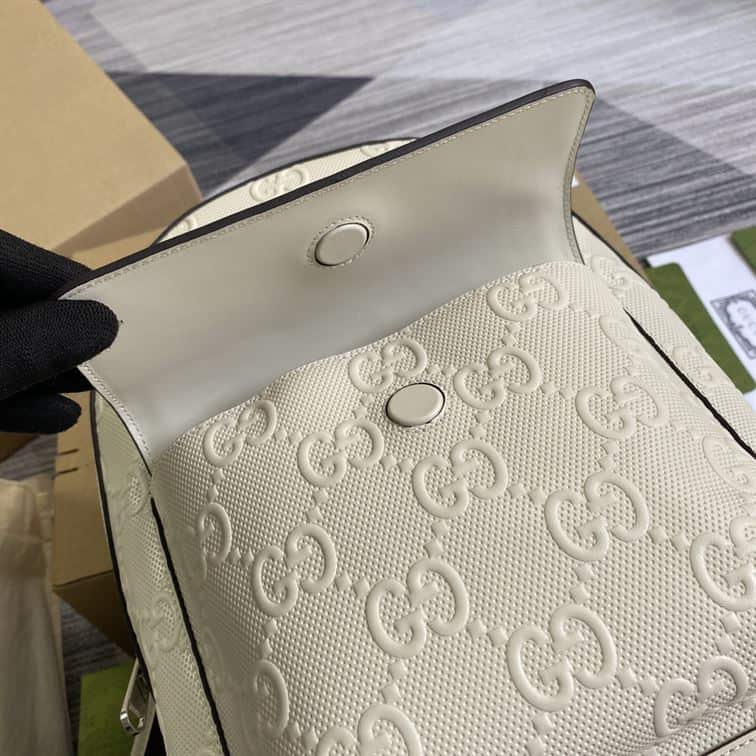
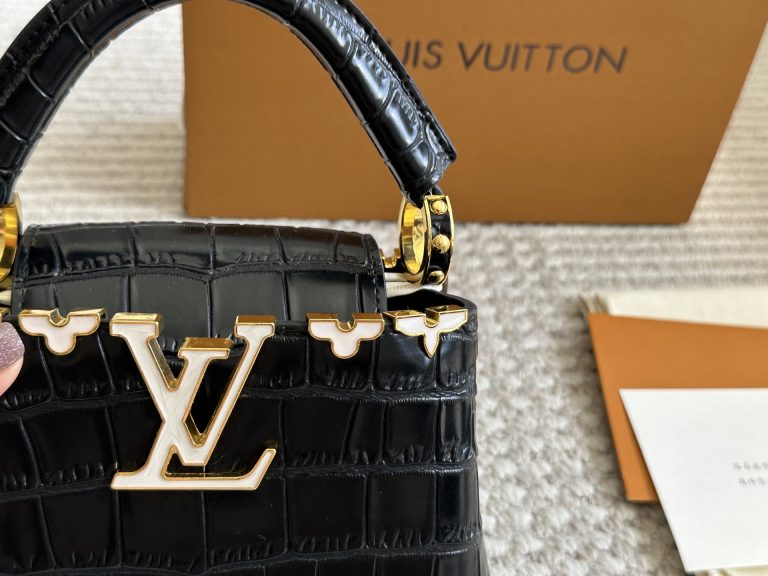
>> Handbags: Construction Beyond the Exterior
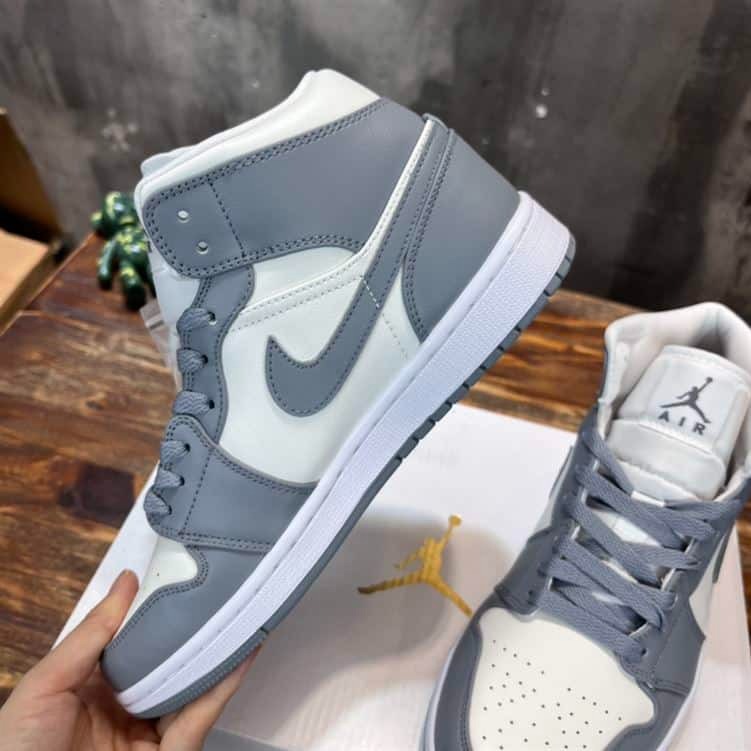
>> Shoes: Fit and Function Matter
>> Clothing and Accessories: Specifications First
● What Recent Industry Data Actually Shows
>> Why These Numbers Matter to Buyers
● A Practical Five-Step Product Verification Process
>> 1. Clarify the Product’s Identity
>> 2. Request Measurable Specifications
>> 3. Separate Inspection From Authentication
>> 4. Review Transaction Terms
● What Manufacturing Experience Can—and Cannot—Prove
● Choosing Value Without Confusing It With Authenticity
>> 1. Are Fake Designer and Replica Designer Products the Same?
>> 2. Are Replica Designer Bags Always Better Made?
>> 3. Does Disclosing That a Product Is a Replica Make It Legal?
>> 4. Can a 1:1 Replica Be Called Authentic?
>> 5. Can Customs Seize a Replica Purchased Online?
>> 6. What Should I Ask a Seller Before Buying?
“Fake designer” and “replica designer” often describe the same thing: an unauthorized product made to resemble an item from a luxury brand. Sellers may use “fake” for inexpensive copies and “replica” for more carefully manufactured reproductions. However, that distinction is a marketing convention—not a reliable legal classification or an independently verified quality standard.
When comparing fake designer vs replica designer products, the most important principle is authorization. A well-made handbag does not become authentic because its stitching is precise. Likewise, describing an item as a “1:1 replica” does not establish permission to reproduce another company’s trademarks.
At Luxurry Edit, we believe this comparison deserves a straightforward explanation. Buyers should understand what product labels mean, what manufacturing claims can demonstrate, and where questions about authenticity and intellectual property remain separate from craftsmanship.
Fake Designer vs Replica Designer: The Main Differences
The terms overlap, but sellers often use them to create different expectations.
| Comparison point | Fake designer | Replica designer |
|---|---|---|
| Common meaning | An imitation of a branded product | A reproduction intended to resemble an original |
| Typical marketing emphasis | Low price or designer appearance | Visual similarity, materials, and construction |
| Guaranteed quality level | None established by the term | None established by the term |
| Brand authorization | Not established | Not established |
| Authenticity | Not authentic merely because it resembles an original | Not authentic merely because it is called a replica |
| Potential legal concerns | Unauthorized branding and other protected elements | The same concerns when protected elements are reproduced without permission |
The practical conclusion is simple: these labels cannot replace product specifications, evidence of authorization, or an accurate seller description.
What Does “Fake Designer” Mean?
“Fake designer” is an everyday expression rather than a precise manufacturing category. It usually refers to merchandise presented as, or made to resemble, a product from a designer brand without being produced or authorized by that brand.
The expression can cover different situations:
- A handbag advertised as authentic despite being unauthorized.
- Shoes carrying copied brand logos.
- Clothing reproducing protected brand identifiers.
- Accessories packaged to suggest an association that does not exist.
The word “fake” does not tell buyers whether an item uses leather, synthetic materials, durable hardware, or consistent stitching. Those questions require separate evidence.
What Does “Replica Designer” Mean?
“Replica designer” usually emphasizes reproduction. In fashion listings, it often suggests that a manufacturer has tried to match an original item’s appearance, proportions, or construction.
However, “replica” does not identify a universal inspection standard. Two sellers can use the same description for products with substantially different specifications.
The term also does not establish a relationship with the original brand. Authorized reproductions exist in some markets, but authorization must be demonstrated—not inferred from the word “replica.”
Is a Replica Designer Product Still Counterfeit?
It can be. Calling an item a replica does not prevent it from being counterfeit when it uses an unauthorized counterfeit trademark.
In the United States, trademark infringement generally concerns unauthorized trademark use that is likely to cause confusion about the source of goods or services. Counterfeiting involves a more specific category of unauthorized marks.
This makes two questions particularly important:
- Does the product reproduce protected branding?
- Has the rights holder authorized that use?
A seller’s statement that buyers “know it is a replica” does not, by itself, settle the product’s legal status.
Does Removing the Logo Make a Product Legal?
Not automatically.
A logo-free product may avoid one particular trademark issue while still raising questions about protected designs, copyrighted artwork, or other intellectual property rights.
The assessment depends on the product, the rights involved, and the jurisdiction. “Inspired by” is therefore not a universal exemption.
For businesses, the safer approach is to evaluate specific design elements and obtain appropriate professional advice before manufacturing, importing, or advertising a product.
Does “Replica” Mean Better Quality Than “Fake”?
Not reliably. The distinction often reflects positioning rather than independently measured performance.
A seller might call one product a “premium replica” because it has more detailed stitching or different materials. Without specifications and inspection evidence, however, buyers cannot determine what the premium actually represents.
From a manufacturing perspective, quality is better understood through observable criteria:
- Material identification and consistency.
- Construction accuracy.
- Hardware function.
- Seam strength and finishing.
- Dimensional tolerances.
- Inspection procedures.
- Defect handling and after-sales support.
These criteria describe the product itself. They do not prove authenticity or permission to use another brand’s identity.
Why “1:1 Replica” Needs Qualification
“1:1 replica” suggests an exact match. That is a demanding claim.
To substantiate it, a manufacturer would need to define what is being compared: dimensions, material composition, color, hardware, internal structure, performance, or all of these.
A photograph cannot establish complete equivalence. Nor does a close visual resemblance demonstrate identical sourcing, durability, or manufacturing processes.
Luxurry Edit’s stated focus on detailed reproduction and production consistency should therefore be supported by specific, verifiable information. General phrases such as “mirror quality” should not replace measurable product descriptions.
How Quality Assessment Changes Across Product Categories
Handbags, shoes, clothing, and accessories require different inspection priorities. Applying the same checklist to every category leaves important questions unanswered.
Handbags: Construction Beyond the Exterior
A handbag can appear convincing in a photograph while having weak attachment points or poorly finished internal seams.
Useful inspection areas include:
- Handle and strap attachments.
- Zipper movement and closure alignment.
- Edge finishing around bends.
- Lining attachment and interior seams.
- Consistency of measurements.
- Hardware attachment and surface finish.
Buyers should also distinguish material descriptions from appearance. A leather-like surface does not establish a particular leather type or grade.
Shoes: Fit and Function Matter
For footwear, appearance is only part of the evaluation.
Relevant questions include sizing consistency, sole attachment, flexibility, interior finishing, and intended use. A visually similar shoe may fit differently or behave differently during wear.
Claims about comfort and durability require evidence appropriate to those claims. Product photographs cannot establish either one.
Clothing and Accessories: Specifications First
For clothing, useful information includes fiber composition, garment measurements, care instructions, seam construction, and finishing.
For accessories, the priorities depend on the item. A belt requires different checks from jewelry or sunglasses.
Avoid treating “premium accessories” as one uniform quality category. Each product needs its own specifications and, where applicable, relevant safety or compliance documentation.

What Recent Industry Data Actually Shows
The OECD and the European Union Intellectual Property Office published Mapping Global Trade in Fakes 2025 using 2021 trade and customs-seizure data.
The report estimated global trade in counterfeit and pirated goods at approximately USD 467 billion, representing up to 2.3% of global imports.
The dates matter. This is a report published in 2025 about estimated activity in 2021—not a measurement of sales during 2025 or 2026.
The scope matters too. The estimate covers counterfeit and pirated goods across categories. It is not a market-size estimate for replica handbags, luxury fashion, or premium reproductions alone.
Why These Numbers Matter to Buyers
The figures show that counterfeit trade is a substantial international issue. They do not establish that an individual seller is reliable, that a product is well made, or that a purchase is lawful.
Market size is not product verification.
For buyers, the useful lesson is to examine the specific transaction: who is selling, what is being represented, what rights are involved, and which rules apply at the destination.
A Practical Five-Step Product Verification Process
A structured review is more useful than deciding whether “fake” or “replica” sounds more reassuring.
1. Clarify the Product’s Identity
Determine whether the item is:
- An authentic branded product.
- An authorized reproduction.
- An independently branded design.
- An unauthorized branded imitation.
Ask for a direct written answer. Avoid relying on suggestive packaging or ambiguous descriptions.
2. Request Measurable Specifications
Ask for dimensions, material composition, available sizes, care requirements, and relevant construction details.
For commercial orders, request tolerances and define what constitutes an unacceptable defect.
“Excellent quality” is an opinion. A documented specification gives both parties something concrete to evaluate.
3. Separate Inspection From Authentication
Inspection assesses whether a product meets stated requirements. Authentication assesses whether it is genuinely associated with the claimed brand.
A product may pass a construction inspection without being authentic. Conversely, an authentic secondhand item may show wear.
Keeping these evaluations separate prevents misleading conclusions.
4. Review Transaction Terms
Before payment, check:
- The seller’s business identity and contact details.
- The written product description.
- Return and refund conditions.
- Responsibility for delivery problems.
- Any exclusions affecting customized orders.
A return policy is only useful when its conditions are clear and applicable to the purchase.
5. Check Destination Rules
Do not assume a small order or personal-use purpose removes import restrictions.
U.S. Customs and Border Protection states that it targets and seizes imports that violate intellectual property rights. Other destinations have their own rules.
For international purchases, verify the applicable requirements before ordering rather than relying solely on a seller’s shipping assurances.
What Manufacturing Experience Can—and Cannot—Prove
Luxurry Edit describes its business as having years of manufacturing experience and established production lines.
Those capabilities can be relevant to consistency, but they need supporting records. Experience alone does not demonstrate a particular defect rate, material specification, or level of equivalence to another product.
A stronger manufacturing explanation would identify:
- Which production stages are inspected.
- How material substitutions are controlled.
- How approved samples are recorded.
- How batch differences are measured.
- How defects are documented and resolved.
These details turn broad quality language into an accountable process.
They still do not establish brand authorization. Manufacturing competence and intellectual property compliance answer different questions.
Choosing Value Without Confusing It With Authenticity
Value depends on the buyer’s purpose, but comparisons should remain honest.
An authentic product offers a documented relationship to its brand. An independently branded product can offer design and functionality without claiming that relationship. A pre-owned authentic product may provide another option, subject to condition and reliable authentication.
An unauthorized replica should not be presented as interchangeable with those categories simply because it looks similar.
For Luxurry Edit, a credible customer conversation starts with accurate labeling, evidence-backed specifications, and clear limits on claims.
Before considering a purchase, ask the team for the product’s material specifications, inspection criteria, return terms, and documentation of any claimed brand authorization. Evaluate those answers before focusing on visual similarity or price.

Frequently Asked Questions
1. Are Fake Designer and Replica Designer Products the Same?
They frequently overlap. “Replica” often emphasizes reproduction quality, while “fake” emphasizes lack of authenticity. Neither term independently establishes materials, craftsmanship, authorization, or legal status.
2. Are Replica Designer Bags Always Better Made?
No. There is no universal grading system attached to the word “replica.” Quality must be evaluated through specifications, inspection evidence, and documented performance rather than the label alone.
3. Does Disclosing That a Product Is a Replica Make It Legal?
Not necessarily. Disclosure does not automatically authorize the use of protected trademarks or other intellectual property. The relevant rights, product details, and jurisdiction still matter.
4. Can a 1:1 Replica Be Called Authentic?
Not merely because it closely resembles an original. Authenticity concerns the product’s genuine relationship to the brand, not the precision of its appearance.
5. Can Customs Seize a Replica Purchased Online?
Yes, where the shipment violates applicable intellectual property or import rules. U.S. authorities explicitly target infringing imports. Buyers should check destination requirements rather than assume personal use provides an exemption.
6. What Should I Ask a Seller Before Buying?
Ask about product identity, authorization, materials, measurements, inspection standards, and return conditions. Request written answers and distinguish evidence of construction quality from evidence of authenticity.
References
1. United States Patent and Trademark Office. “The Basics of Counterfeit Goods.” Explains unauthorized use of familiar brand names and logos, deceptive presentation, and copied packaging or product features. https://www.uspto.gov/sites/default/files/documents/Basics%20of%20Counterfeit%20Goods.pdf
2. United States Patent and Trademark Office. “About Trademark Infringement.” Provides the U.S. framework for unauthorized trademark use and likelihood of confusion concerning product source. https://www.uspto.gov/page/about-trademark-infringement
3. Congressional Research Service. “An Introduction to Trademark Law in the United States.” Explains trademark protection and the distinction involving counterfeit marks on comparable goods. https://www.congress.gov/crs_external_products/IF/PDF/IF12456/IF12456.1.pdf
4. OECD and European Union Intellectual Property Office. Mapping Global Trade in Fakes 2025. Published May 7, 2025. Source for the estimated USD 467 billion value and 2.3% share of global imports, based on 2021 data. https://www.oecd.org/en/publications/mapping-global-trade-in-fakes-2025_94d3b29f-en.html
5. European Union Intellectual Property Office. “Mapping Global Trade in Fakes 2025.” Explains the report’s scope and methodology, including international trade statistics and customs-seizure data. https://www.euipo.europa.eu/en/publications/mapping-global-trade-in-fakes-2025
6. U.S. Customs and Border Protection. “The Truth Behind Counterfeits.” Provides consumer guidance and explains enforcement against imports that violate intellectual property rights. https://www.cbp.gov/trade/fakegoodsrealdangers
Hot Tags: Replica Designer Wholesale, Wholesale Replica Handbags, Replica Designer Bags Supplier, Replica Designer Shoes Wholesale, Replica Designer Clothing Wholesale, Replica Fashion Accessories Supplier, Designer Inspired Handbags Wholesale, Luxury Replica Bags Manufacturer, Replica Handbag Manufacturer, Replica Fashion Wholesale Supplier