Content Menu
● Designer Replicas vs. Authentic Designer Products: What Are You Comparing?
● Compare Material Quality Before Visual Similarity
>> Leather: Ask for Specifics, Not “Premium” Descriptions
>> Fabrics, Coated Materials, and Hardware
● Compare Construction Across Handbags, Shoes, Clothing, and Accessories
>> Designer Replica Handbags: Inspect Stress Points
>> Replica Shoes: Compare Fit and Function
>> Replica Clothing and Accessories: Check Usable Details
● What Does “1:1 Replica” Actually Tell You?
● Compare Seller Transparency and Quality-Control Evidence
>> Product Photographs vs. Dispatch Photographs
>> Manufacturing Experience vs. Demonstrated Consistency
● Compare Total Purchase Cost, Not Just the Listed Price
● Compare Legal and Import Risks Before Ordering
>> Why Product Identity Matters
>> What Recent Trade Data Actually Shows
● A Practical Designer Replica Comparison Workflow
>> Step 1: Define Your Actual Use
>> Step 2: Send Every Seller the Same Questions
>> Step 3: Identify Missing Evidence
>> Step 4: Review the Purchase Terms
● Questions to Ask Luxurry Edit Before Choosing a Product
>> 1. What should I compare first when buying designer replicas?
>> 2. Does “1:1 replica” guarantee authentic-brand quality?
>> 3. Can photographs prove that a replica handbag is well made?
>> 4. Are expensive replicas necessarily better?
>> 5. Is a luxury-inspired product automatically a counterfeit?
>> 6. Can I assume a personal-use purchase will clear customs?
A designer replica buying guide should help you compare more than photographs and prices. Before buying designer replica handbags, shoes, clothing, or accessories, examine material specifications, construction, sizing, seller transparency, purchase protection, and legal considerations. The central comparison is between a product’s promised appearance and the evidence supporting its actual quality.
At Luxurry Edit, our stated focus is on luxury-inspired products and detail-oriented manufacturing. However, buyers should evaluate any supplier—including us—through documented specifications and clear policies, not promotional language alone.
My approach in this guide is straightforward: prioritize evidence over labels. A convincing photograph may show visual similarity. It cannot establish durability, comfortable fit, material composition, or whether a transaction is legally permissible.
Designer Replicas vs. Authentic Designer Products: What Are You Comparing?
Authentic designer products and replicas may appear similar in photographs, but their identities and purchasing conditions differ.
An authentic product is made by, or with authorization from, the relevant brand. A replica is not automatically authorized merely because its seller describes it as “premium” or “1:1.”
Luxury-inspired products also require careful distinction. An independently branded item drawing on a broad style trend is not necessarily equivalent to an unauthorized product carrying another company’s trademarks. Nevertheless, removing a logo does not automatically resolve every intellectual-property issue.
| Comparison point | Authentic designer product | Replica or luxury-inspired product |
|---|---|---|
| Brand authorization | Produced or authorized by the brand | Authorization should not be assumed |
| Product specifications | Depend on the particular brand and item | Must be established with the seller |
| Service support | Depends on brand policies and purchase channel | Depends on the supplier’s written terms |
| Provenance | May be supported by purchase and authentication records | Requires transparent disclosure of origin and identity |
| Legal considerations | Still require legitimate sourcing | Trademark and import issues need particular attention |
| Value assessment | Includes design, brand, service, and product quality | Should focus on verified specifications and transaction risks |
The useful question is not simply, “How close does it look?” It is, “What exactly am I purchasing, and what happens if it does not meet the description?”
Compare Material Quality Before Visual Similarity
Leather: Ask for Specifics, Not “Premium” Descriptions
“Premium leather” is too vague to support a purchasing decision. Ask the supplier to identify the leather type, surface treatment, lining, and intended care requirements.
Full-grain leather retains an uncorrected outer surface. Corrected-grain leather has been polished or buffed to modify that surface. These terms describe processing differences; they do not independently establish the quality of an entire handbag or shoe.
Compare:
- The stated leather type and finish.
- Whether different panels use different materials.
- Lining composition and attachment.
- Edge finishing and flexibility.
- Care instructions and exposure limitations.
A material name is only one part of the assessment. Thickness, finishing, construction, and suitability for the intended use also matter.
Fabrics, Coated Materials, and Hardware
For replica clothing, request fiber percentages rather than descriptions such as “luxury fabric.” For coated bags or synthetic footwear, ask what the outer material, backing, and lining actually contain.
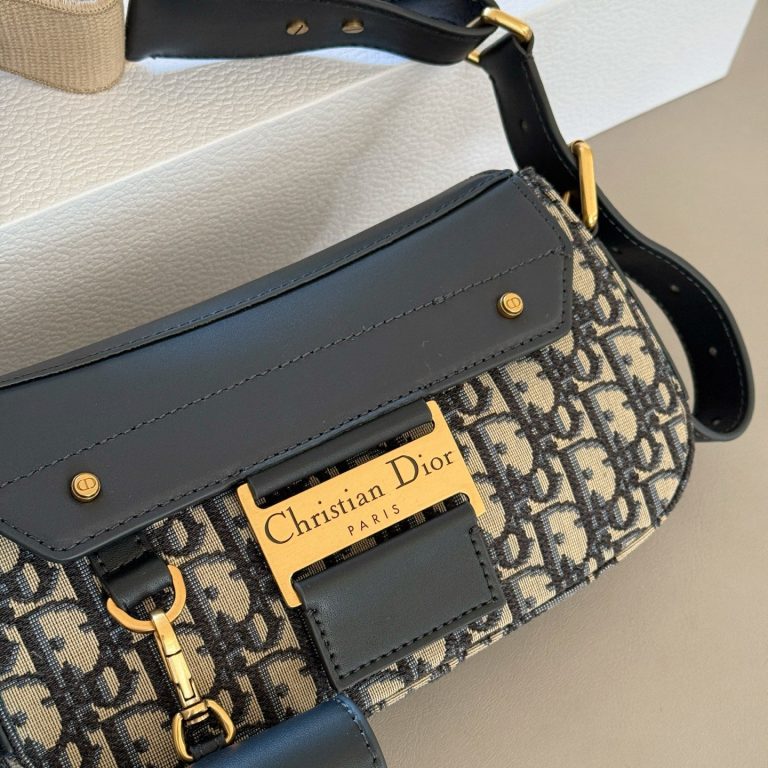
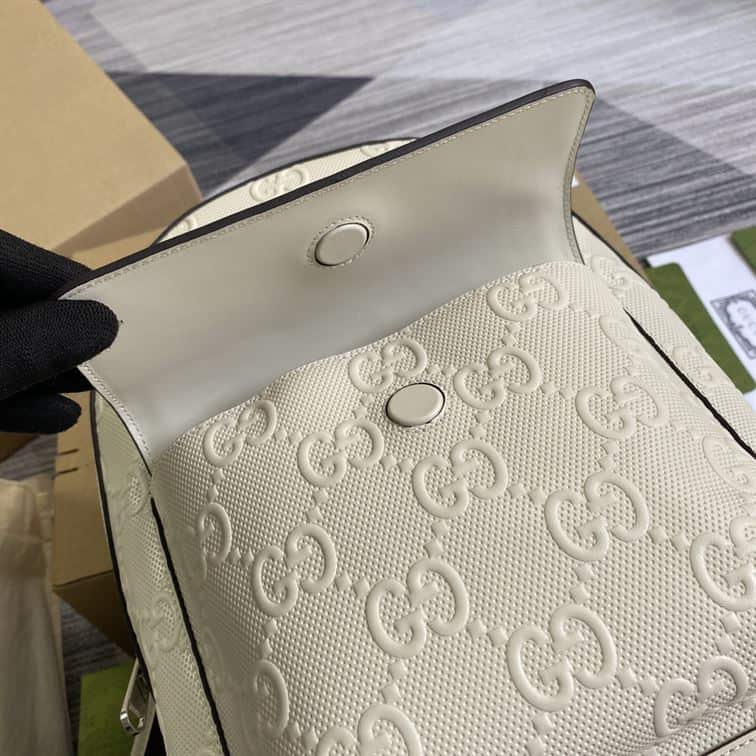
Hardware needs equally specific questions. What is the base material? What finish is applied? Can the seller explain how the closure functions and what support is available if it fails?
Do not treat polished hardware or elaborate packaging as proof of product quality. Compare the functional components separately from presentation.
Compare Construction Across Handbags, Shoes, Clothing, and Accessories
Designer Replica Handbags: Inspect Stress Points
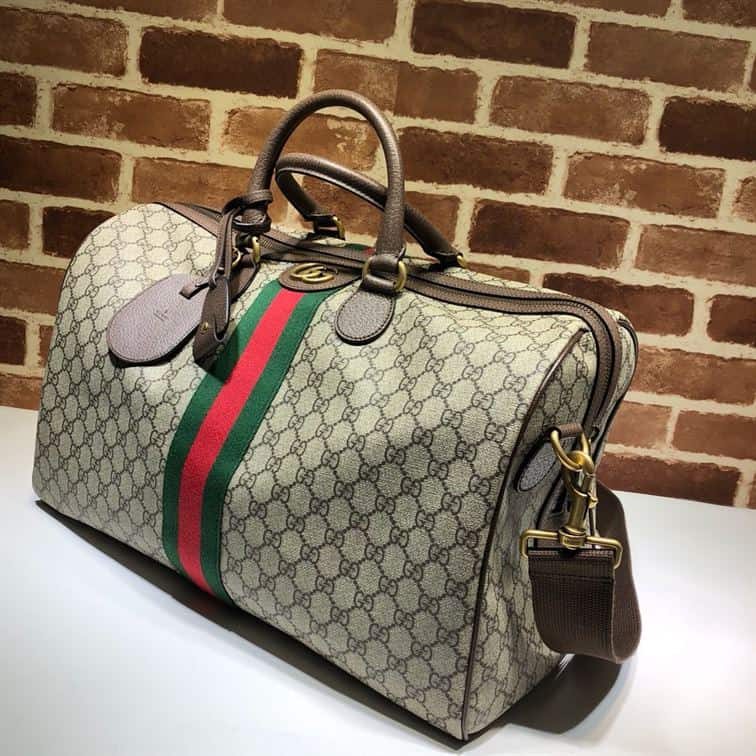
A handbag’s practical quality depends on how its components work together.
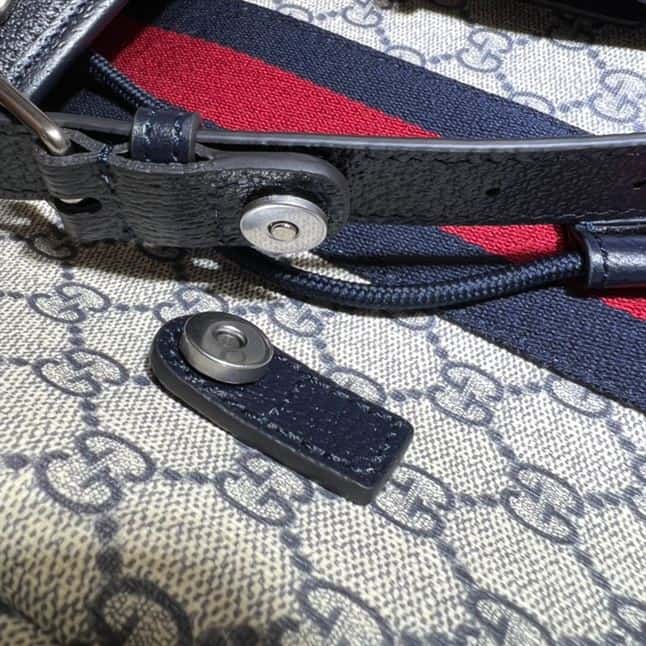
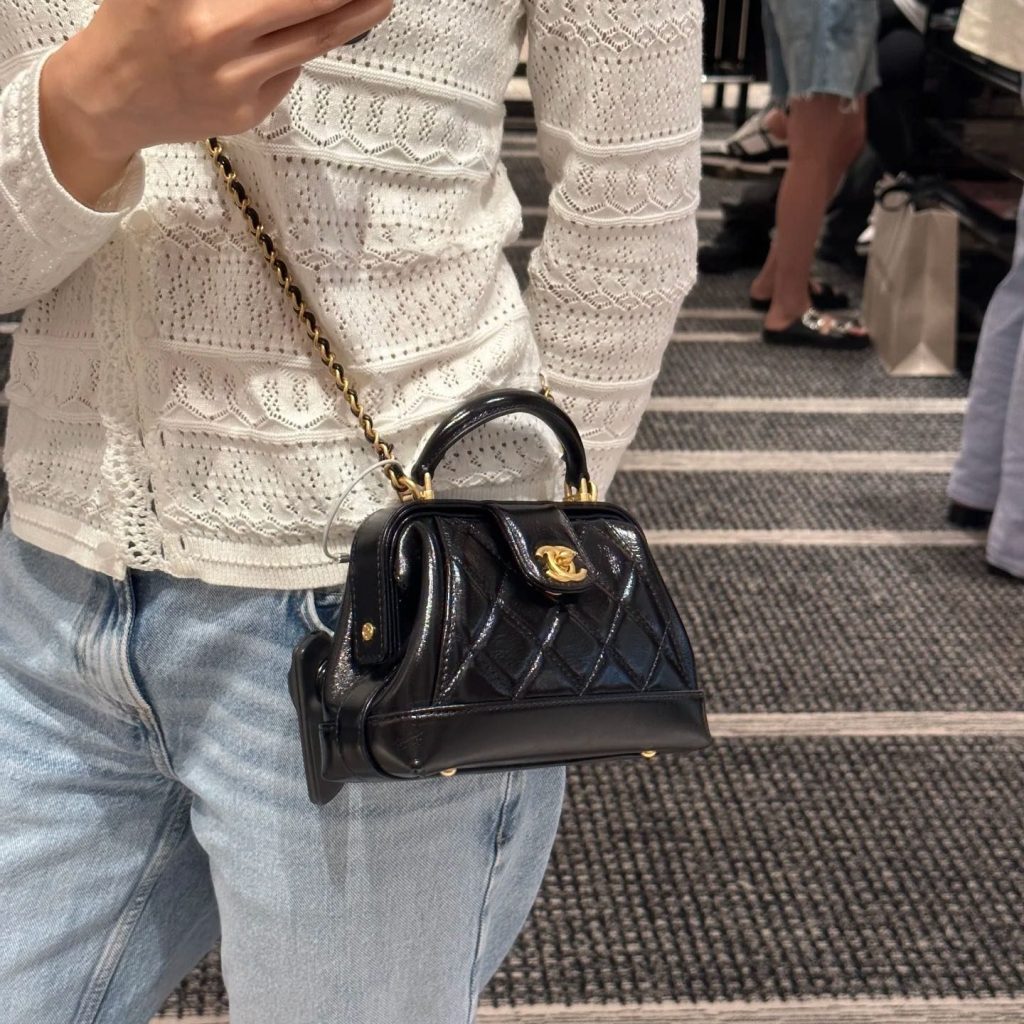
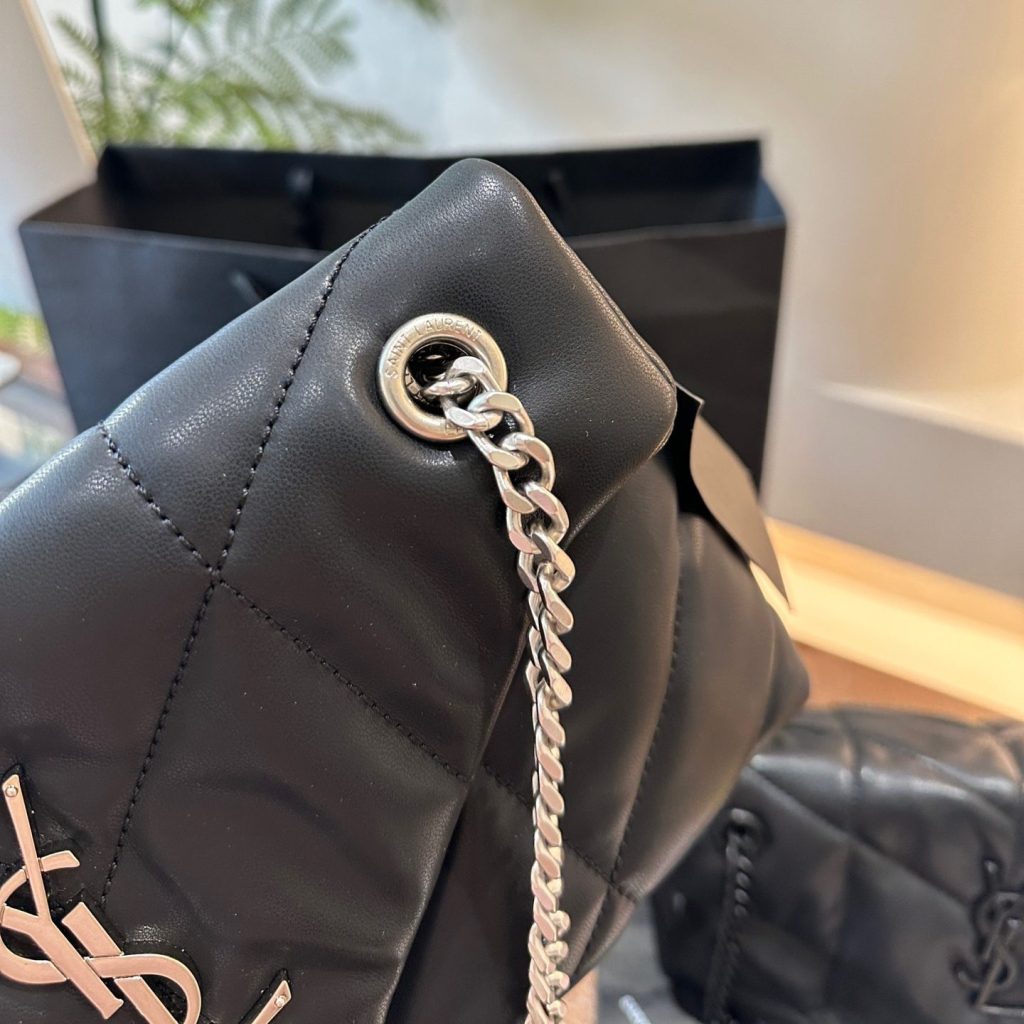
Request close-up images of handle attachments, strap connections, corners, closures, lining seams, and edge finishes. Look for obvious inconsistencies, loose threads, irregular finishing, or components that appear poorly aligned.
Ask for a short video showing the bag opening, closing, and standing naturally. This can reveal aspects that carefully selected photographs leave unclear.
Also compare dimensions and carrying weight. A bag that resembles your preferred design may still be inconvenient if its opening is narrow or its strap length does not suit your routine.
Replica Shoes: Compare Fit and Function
For shoes, prioritize fit before decorative resemblance.
Request the seller’s measurement method, available width information, heel height, closure details, and relevant internal dimensions. Compare those measurements with footwear you already find comfortable, using the same measurement method where possible.
Ask whether returns remain available after an indoor fit check. Clarify whether protective films, tags, or packaging must remain intact.
Product photographs cannot tell you how a shoe feels during walking. Avoid interpreting visual similarity as evidence of equivalent comfort or performance.
Replica Clothing and Accessories: Check Usable Details
For clothing, compare garment measurements rather than relying exclusively on size labels.
Useful measurements include:
- Chest and shoulder width.
- Sleeve length.
- Waist and hip dimensions.
- Inseam or overall length.
- Stated stretch characteristics.
For accessories, assess clasps, hinges, fastening systems, adjustment ranges, and contact materials. Where a product makes a specific safety or performance claim, request appropriate supporting documentation rather than accepting the claim at face value.
What Does “1:1 Replica” Actually Tell You?
The phrase “1:1 replica” communicates an intended level of resemblance. On its own, it does not establish identical materials, manufacturing methods, performance, or durability.
When comparing 1:1 designer replicas, translate the label into measurable questions:
- Which dimensions are being compared?
- Which materials are specified?
- Are the photographs of the exact item being sold?
- What inspection takes place before dispatch?
- What remedy applies when the delivered item differs?
A responsible supplier should distinguish confirmed specifications from subjective judgments about resemblance.
Luxurry Edit describes its manufacturing approach as detail-focused and consistent. Those company statements should be supported with product-level information before publication or purchase. They should not be expanded into unsupported claims about independent testing, authorized brand relationships, or guaranteed equivalence.
Compare Seller Transparency and Quality-Control Evidence
Product Photographs vs. Dispatch Photographs
Catalog photographs show how an item is presented. Dispatch photographs can help document the particular item selected for your order.
Request views that answer specific questions:
- Front, back, sides, and base.
- Interior construction and compartments.
- Material and seam close-ups.
- Measurements beside a ruler.
- Operation of closures and adjustable parts.
Photos remain limited evidence. They cannot verify hidden construction, chemical composition, or long-term performance.
Manufacturing Experience vs. Demonstrated Consistency
Years in business can provide context, but they do not prove that every shipment meets the same standard.
For repeat purchases, ask whether material specifications remain stable, how substitutions are disclosed, and how defects are recorded. Request a written description of the supplier’s inspection process.
A useful distinction is between having a production process and demonstrating that the process produces consistent results.
Buyers should look for traceable order information, clear specifications, and an accessible complaint procedure—not simply statements about factory experience.
Compare Total Purchase Cost, Not Just the Listed Price
The lowest advertised price may not represent the lowest financial exposure.
Build your comparison around the amount you could actually spend:
| Cost category | Question to ask |
|---|---|
| Product price | What exactly is included? |
| Delivery | Which service is used, and is tracking provided? |
| Import charges | Who is responsible for applicable charges? |
| Payment costs | Are conversion or processing fees added? |
| Returns | Who pays return shipping? |
| Remedies | Is the proposed solution a refund, repair, replacement, or credit? |
As a hypothetical example, a $150 item with $35 delivery costs $185 before other applicable charges. A $175 item with $10 delivery has the same initial total.
Their value may still differ substantially because of return terms, product documentation, and legal risks. Import charges or successful payment do not make an otherwise prohibited shipment lawful.
Compare Legal and Import Risks Before Ordering
Why Product Identity Matters
“Replica” is a marketing description, not a legal permission.
Products bearing unauthorized trademarks may qualify as counterfeits. Applicable rules depend on the product, destination, transaction, and circumstances. Buyers should not assume that personal use makes an online order permissible.
U.S. Customs and Border Protection warns about counterfeit purchases and transportation. It also describes a narrow personal-use exemption for qualifying articles accompanying travelers. That exemption should not be interpreted as general permission for mailed online purchases.
Check the official guidance for your destination before paying. Never accept false customs declarations or promises that an item is guaranteed to avoid inspection.
What Recent Trade Data Actually Shows
The OECD–EUIPO report published in 2025 estimated global trade in counterfeit goods at approximately USD 467 billion in 2021, equivalent to up to 2.3% of global imports.
The publication year and data year are different. These figures describe a global trade estimate, not verified counterfeit sales in 2025 or 2026.
The accompanying release reported that clothing, footwear, and leather goods jointly accounted for 62% of seized counterfeit goods. This seizure-based figure is not the percentage of all fashion products that are counterfeit.
For buyers, the relevant lesson is that these categories receive substantial enforcement attention. A seller’s delivery history cannot eliminate future import risk.
A Practical Designer Replica Comparison Workflow
This workflow is an editorial purchasing framework, not a laboratory test or authentication method.
Step 1: Define Your Actual Use
Write down your requirements before browsing.
For a handbag, consider carrying capacity, closure security, strap length, and weight. For shoes, identify fit and intended activity. For clothing, prioritize measurements and fabric composition.
Separate functional requirements from appearance preferences.
Step 2: Send Every Seller the Same Questions
Use a consistent request:
Please provide the material composition, dimensions, current-item photographs, inspection procedure, delivery terms, and complete return policy. Please also confirm the product’s branding and whether it is authorized by the relevant rights holder.
Comparing identical information reduces the influence of persuasive sales language.
Step 3: Identify Missing Evidence
Create three columns: confirmed, unverified, and unacceptable.
Place documented specifications under confirmed. Put unsupported statements such as “identical quality” under unverified. Record contradictory descriptions or requests for false declarations under unacceptable.
Do not convert missing information into a positive assumption.
Step 4: Review the Purchase Terms
Save the product description and written policies before payment. Check whether the seller identifies its business and explains how disputes are handled.
Confirm that the intended payment method’s protection applies to the transaction. Do not assume every payment service covers every product category or circumstance.
Step 5: Apply a Stop Rule
Pause when the seller refuses to identify materials, cannot clarify returns, contradicts its listing, or pressures you to disregard legal concerns.
A disciplined comparison process includes deciding not to buy.
Questions to Ask Luxurry Edit Before Choosing a Product
The strongest supplier conversation moves from general promises to item-specific answers.
Ask Luxurry Edit to confirm:
- The current product’s materials and measurements.
- Whether photographs represent the available item.
- Which construction details are inspected.
- How material substitutions are communicated.
- What happens when an order differs from its description.
- Whether the product can lawfully be sold and shipped to your destination.
Manufacturing experience becomes more meaningful when it is connected to documented specifications and accountable service.
Before selecting a product, send Luxurry Edit your intended use, required measurements, and material preferences. Request a written specification and policy confirmation, and proceed only when the product’s identity, legality, and purchase terms are clear.
Frequently Asked Questions
1. What should I compare first when buying designer replicas?
Start with product identity and legal considerations, followed by materials, construction, sizing, and written purchase terms. Appearance should not replace these checks.
2. Does “1:1 replica” guarantee authentic-brand quality?
No. The phrase alone does not establish equivalent materials, manufacturing, testing, durability, or brand authorization. Request measurable specifications and supporting evidence.
3. Can photographs prove that a replica handbag is well made?
Photographs can reveal visible details and obvious inconsistencies. They cannot establish hidden construction, exact composition, long-term durability, or legal status.
4. Are expensive replicas necessarily better?
No. A higher price is not independent proof of quality. Compare documented materials, construction details, seller accountability, and total purchase costs.
5. Is a luxury-inspired product automatically a counterfeit?
No. The distinction depends on the product and applicable rights. However, “inspired” wording or the absence of a logo does not automatically establish legality.
6. Can I assume a personal-use purchase will clear customs?
No. Rules vary, and personal use does not automatically exempt a mailed purchase. Review official destination guidance rather than relying on a seller’s assurance.
References
1. Organisation for Economic Co-operation and Development. Mapping Global Trade in Fakes 2025. Published May 7, 2025. Provides the global counterfeit-trade estimate and explains that the analysis uses 2021 customs-seizure data. https://www.oecd.org/en/publications/mapping-global-trade-in-fakes-2025_94d3b29f-en.html
2. Organisation for Economic Co-operation and Development. Global trade in fake goods reached USD 467 billion, posing risks to consumer safety and compromising intellectual property. Published May 7, 2025. Supports the reported trade value and the seizure-based figure for clothing, footwear, and leather goods. https://www.oecd.org/en/about/news/press-releases/2025/05/global-trade-in-fake-goods-reached-USD-467-billion-posing-risks-to-consumer-safety-and-compromising-intellectual-property.html
3. European Union Intellectual Property Office. EUIPO and OECD publish a report on counterfeit and pirated trade. Published May 7, 2025. Provides additional context on affected product categories and counterfeit distribution channels. https://www.euipo.europa.eu/en/news/observatory/euipo-and-oecd-publish-a-report-on-counterfeit-and-pirated-trade
4. U.S. Customs and Border Protection. The Truth Behind Counterfeits. Official consumer guidance on counterfeit goods and potential consequences associated with their purchase and transportation. https://www.cbp.gov/trade/fakegoodsrealdangers
5. U.S. Customs and Border Protection. Personal Use Exemption from Trademark Restrictions. Official explanation of the limited exemption for qualifying articles accompanying travelers; not a general exemption for mailed purchases. https://www.help.cbp.gov/s/article/Article1858?language=en_US
6. The Tannery Row. Understanding Leather Grains. Published January 28, 2021. Supports the distinction between uncorrected full-grain surfaces and polished or buffed corrected-grain surfaces. https://www.thetanneryrow.com/leather101/understanding-leather-grains
Hot Tags: Wholesale Designer Replica Handbags, Designer Replica Handbag Suppliers, Luxury Replica Bags Wholesale, Replica Handbag Manufacturers, Wholesale Replica Bags, Designer Inspired Handbags Wholesale, Luxury Handbag Suppliers, OEM Handbag Manufacturing, ODM Handbag Suppliers, Wholesale Leather Handbags。